No one wants to talk about constipation and diarrhea. Still, these uncomfortable conditions affect many people in the U.S. Recent studies find that probiotics can not only help with diarrhea and constipation but can also help prevent them. This article discusses probiotics, their role in our well-being, and how they impact the health of our digestive tract.
Probiotics and Gut Health
Many of us live out our lives unaware that tiny microorganisms live within our digestive tract, on our skin, in our urogenital system, and in our mouths. Yet these bacteria, yeasts, and viruses profoundly impact our health.
How Probiotics Work
Probiotics go about their daily lives, consuming indigestible parts of our food, called prebiotics, and, in return, creating byproducts that support our health. The byproducts are called postbiotics, and they consist of vitamins, fatty acids, enzymes, and amino acids our bodies need.
The sum of these microorganisms throughout our bodies is called the human microbiome, made up of friendly and unfriendly species. In a healthy person, the friendly bacteria outnumber and keep the unfriendly bacteria under control.
Imbalances Can Cause Constipation and Diarrhea
We live in an industrialized society, and our microbiome can quickly become unbalanced. Stress, lack of sleep, poor nutrition, pollution, and medication can impact gut health. Many medications can cause diarrhea or constipation, but antibiotics significantly impact the microbiome.
These life-saving medications revolutionized medicine. They killed off unfriendly bacteria and provided a miracle that helped people survive otherwise life-threatening diseases. In 2022, U.S. pharmacies dispensed 236.4 million antibiotic prescriptions, 28% of which the CDC deemed unnecessary.
The downside to antibiotics is that they also kill off the friendly bacteria, unbalancing the microbiome. When the microbiome becomes unbalanced, the unfriendly bacteria may begin to take over, and the byproducts of the friendly bacteria diminish. A disrupted microbiome can trigger many conditions, including diarrhea and constipation.
Facts on Constipation and Diarrhea
About four million people in the U.S. frequently experience constipation, and there are about 179 million cases of diarrhea in the U.S. each year.
If you’ve ever been constipated, and most people have at some time in their lives, you don’t need anyone to tell you how uncomfortable it is. If you are constipated, you will have infrequent or painful bowel movements, usually less than three a week, and the stool may be hard and dry. You may feel bloated and sluggish. Each person is different, however, and everyone experiences a different level of bowel activity.
Causes and Symptoms of Constipation
Constipation occurs when the colon moves sluggishly. As waste travels through the intestines, the slow pace causes the colon to absorb too much water, resulting in hard stools. Different factors can cause it:
- Too little exercise
- Not enough fiber
- Ignoring bathroom urges
- Medications
- Laxative abuse
- Travel
- Pregnancy
- Aging
Persistent constipation can cause or signal other issues, so it’s always good to check with your doctor if you have an ongoing change in elimination habits, blood in your stool, or continuing abdominal pain.
Causes and Symptoms of Diarrhea
As with constipation, most people experience diarrhea at some point. The only symptom may be loose, watery stools, or this may be accompanied by belly cramps, bloating, nausea, blood in the stool, urgent bowel movements, and even fever.
Here are a few causes of diarrhea; some may surprise you.
- Medicines
- Bacteria and parasites
- Viruses
- Fructose
- Artificial sweeteners
- Surgery
- Lactose intolerance
- Traveling
- too much fat in the diet (even healthy fats like olive oil)
Usually, diarrhea lasts a day or two, but it could indicate something amiss if it lasts longer. Persistent diarrhea can cause dehydration in adults and children, so it’s critical to keep drinking fluids and contact a qualified healthcare professional if the diarrhea continues or symptoms of dehydration appear.
The Role of Probiotics in gut Health
When you consume a quality probiotic, the microorganisms pass through the stomach to the gut. They eat fibers you cannot digest, reproduce, and create compounds that improve overall health. These are the postbiotics mentioned above.
Our bodies naturally contain a variety of microorganisms, and researchers are investigating their role in our health. Most probiotics live in the gut, but the gut connects with and impacts other body systems and overall health.
Probiotics for Relieving Constipation
Studies have shown that probiotics may help relieve constipation, depending on the type or cause. In various studies, probiotic treatment improved bowel regularity in pregnant women and those taking constipating medications. They do this by increasing bowel transit time, helping soften stools, and increasing weekly bowel movements.
Studies have shown certain strains to be the best probiotics for constipation:
- Bifidobacterium lactis
- Lactobacillus plantarum
- Streptococcus thermophilus
- Lactobacillus reuteri
- Bifidobacterium longum
Probiotics for Managing Diarrhea
Probiotics can also help with diarrhea, depending on its cause. Some types of diarrhea respond positively to probiotics, especially infectious diarrhea, diarrhea associated with antibiotics, and traveler’s diarrhea.
These types of diarrhea often take hold when there is a bacterial imbalance in the gut. Probiotics repopulate and maintain gut bacteria to correct an imbalance. They do this by supplanting the pathogenic bacteria, competing with them for food, improving the immune system, thus bringing the gut back into balance.
Scientists have found certain strains to be the best probiotics for diarrhea in adults:
- Lactobacillus rhamnosus GG(LGG)
- Saccharomyces boulardii
- Bifidobacterium lactis
- Lactobacillus casei
Incorporating Probiotics into Your Daily Routine
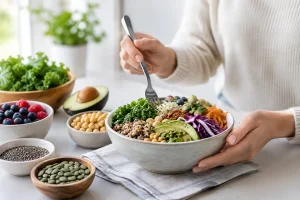
Our ancestors naturally incorporated probiotic foods into their diets to preserve food and sometimes to make it more palatable. Milk could become yogurt or buttermilk; vegetables could become sauerkraut, pickles, or kimchee. Soybeans could become miso, tofu, or tempeh. We can still use these foods to incorporate probiotics from food naturally into our diets.
Beware, though. Our modern food industry has found ways to make these foods without the fermenting or culturing process. Check these foods for language such as “naturally fermented” or “cultured.”
Supplements are a convenient choice, especially if you do not care for the taste of fermented foods. You also know precisely the strains of probiotics you are taking, which is not always the case with fermented foods.
Probiotics are generally considered safe, but checking with your doctor before taking them is always a good idea. Probiotics may be contraindicated if you are immune compromised or have had a recent surgery or hospitalization. Your doctor can guide you.
Frequently Asked Questions about Probiotics for Constipation & Diarrhea
Are probiotics good for diarrhea?
How fast do probiotics work for diarrhea?
How long before probiotics work for constipation?
How many probiotics per day for constipation?
Which probiotics are best for constipation?
1. Bifidobacterium lactis
2. Lactobacillus plantarum
3. Streptococcus thermophilus
4. Lactobacillus reuteri
5. Bifidobacterium longum
Improve Gut Health with Probiotics
Multiple studies have shown probiotics’ effectiveness in improving gut health, including diarrhea and constipation. With consistent use, however, you may find that your overall health improves along with those symptoms. Researchers investigating probiotics’ effect on the gut and other body systems find that improving gut health impacts virtually every body system.
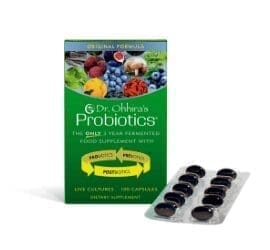
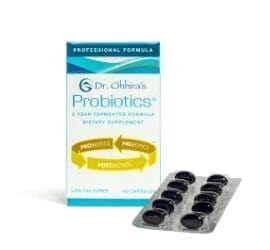
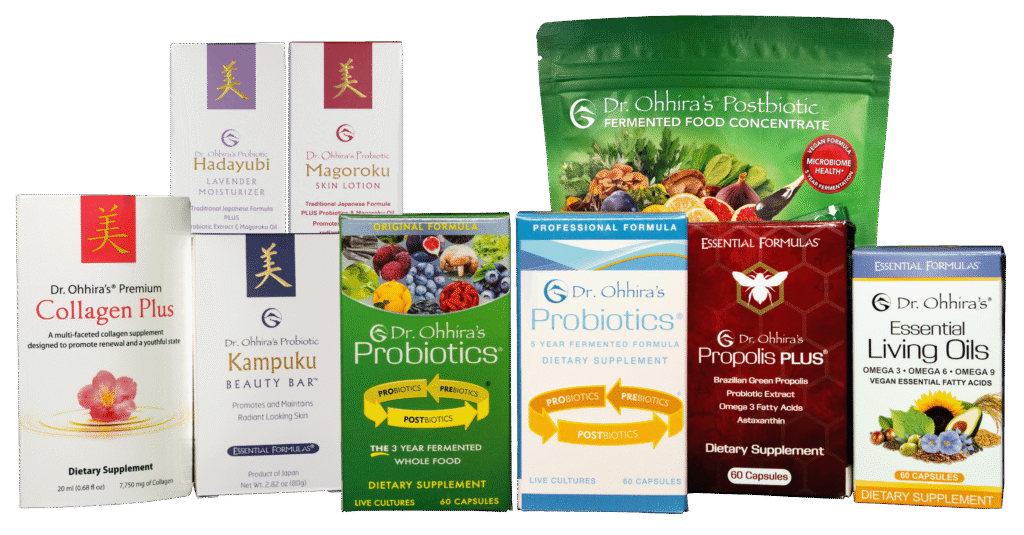
If you decide to try probiotics, make sure you choose a quality product. Dr. Ohhira’s probiotic supplements are created naturally, with quality as our primary objective. We include twelve probiotic strains to promote a diverse microbiome, use only natural ingredients, and ensure our product contains no chemical additives or allergens like gluten and dairy. We culture our probiotics for three years to strengthen the bacteria. We then package them so they’re shelf-stable and will survive stomach acids.
Visit our website to learn more about our products and order online. We’ll be happy to talk with you if you have any questions. Contact us online or call 972-255-3918.