A fermented food can taste bright, tangy, and alive because microorganisms have transformed its ingredients long before it reaches your table. That transformation is also central to lactic acid bacteria benefits: these beneficial microbes help create a digestive environment that supports balance, produces useful fermentation compounds, and communicates with systems far beyond the gut.
For people who take a thoughtful approach to wellness, the most useful question is not simply, “Which probiotic has the highest count?” It is how living bacteria, the fibers that nourish them, and the compounds created through fermentation work together. This wider view helps explain why carefully fermented foods and whole-food supplements can support everyday digestive comfort, immune resilience, and healthy-looking skin.
What Are Lactic Acid Bacteria?
Lactic acid bacteria are a broad group of microorganisms that convert sugars into lactic acid during fermentation. They occur naturally in many cultured foods, including yogurt, kefir, sauerkraut, kimchi, and traditionally fermented vegetables. Certain species and strains are also used in dietary supplements.
Their name describes what they produce, not a single organism. Lactic acid bacteria include many different species, and their effects can vary substantially by strain, amount, delivery format, and the environment in which they are consumed. A benefit observed with one strain should not automatically be assumed for every product labeled “probiotic.”
Lactic acid helps lower pH, which can help shape the microbial community and preserve fermented foods. But the story does not stop with lactic acid. During fermentation, these organisms can create a broad range of metabolites, enzymes, peptides, and other postbiotic compounds. Those compounds may remain active even after the bacteria themselves have completed their work.
Lactic Acid Bacteria Benefits Begin With the Gut Ecosystem
The intestinal tract is home to a dynamic microbial community. Its composition shifts with food choices, sleep, stress, travel, medications, aging, and many other aspects of life. Lactic acid bacteria can be one useful part of supporting this ecosystem, especially when paired with a fiber-rich, plant-forward eating pattern.
Think of probiotics as skilled chefs, prebiotics as the ingredients they use, and postbiotics as the health-promoting meals prepared through fermentation. A formula focused only on live organisms may overlook the value of the finished meal. A full-spectrum approach considers all three.
Digestive comfort and regularity
Many people first seek probiotics because they want support for occasional gas, irregularity, or digestive discomfort. Some lactic acid bacteria may help support healthy intestinal transit and microbial balance, which can contribute to a more comfortable digestive routine.
Results are personal. A person with a low-fiber diet may notice that improving daily plant intake makes as much difference as adding a supplement. Others may need to begin gradually, since a sudden increase in fermented foods, prebiotic fiber, or probiotics can temporarily change gas patterns. Consistency tends to be more valuable than chasing a dramatic, overnight response.
A more resilient intestinal barrier
The gut lining is not merely a wall. It is an active, selectively permeable interface that helps the body distinguish nutrients and helpful microbial signals from substances that should remain outside circulation. Research continues to explore how certain lactic acid bacteria and their metabolites may support the integrity of this barrier.
This matters because the gut barrier is closely connected to immune activity. Supporting digestive ecology with nourishing food, adequate hydration, stress management, and well-chosen fermented nutrition is a practical way to care for this essential interface.
Immune Support Is a Conversation, Not a Switch
Much of the immune system is associated with the gastrointestinal tract. That does not mean a probiotic can replace sleep, balanced nutrition, medical care, or appropriate vaccination. It does mean that daily microbial signals in the gut may influence how the immune system maintains a balanced response.
Lactic acid bacteria can interact with immune cells and help generate fermentation metabolites that participate in this communication. The goal is not an immune system that is permanently “boosted.” A more useful wellness goal is immune resilience: the capacity to respond appropriately while maintaining normal regulatory balance.
For adults navigating busy schedules, seasonal changes, travel, or the natural shifts that accompany aging, this distinction is meaningful. Long-term foundational habits generally offer more value than relying on a short-term wellness fix.
The Gut-Skin Connection Deserves Attention
Skin is an ecological surface, not simply a cosmetic concern. Its appearance and comfort can reflect hydration, barrier function, nutrient intake, environmental exposures, stress, and the broader relationship between the gut and immune system.
Emerging research on the gut-skin axis suggests that microbial balance and fermentation-derived compounds may be relevant to healthy skin function. That does not mean every skin concern begins in the gut, or that an oral probiotic is a replacement for dermatologist-guided care. It does suggest that internal nutrition and topical skin ecology can be complementary parts of a thoughtful routine.
For example, people often focus on collagen support or topical hydration while overlooking the foundational role of digestion. Protein, vitamin-rich plants, essential fatty acids, adequate fluids, sleep, and microbial nourishment all contribute to the conditions in which skin can look and feel its best.
Why Postbiotics Change the Conversation
A common misconception is that probiotic value depends only on how many live organisms survive until consumption. Viability can matter, but it is not the only measure of a fermented product’s potential value.
Postbiotics are beneficial compounds produced during fermentation. Depending on the process and ingredients, they may include organic acids, peptides, enzymes, antioxidant compounds, and cellular components. These are not inactive leftovers. They are part of the functional output of fermentation.
This is where a long, whole-food fermentation process can offer a different perspective. When lactic acid bacteria ferment a diverse blend of botanical ingredients over time, the finished material contains more than isolated bacteria. It contains the transformed products of the relationship between microbes and food.
Dr. Ohhira’s Probiotics® is built around this prebiotic-probiotic-postbiotic ecosystem, using a multi-year Japanese fermentation process with fruits, vegetables, mushrooms, seaweed, and pure water. The process reflects a simple but powerful principle: fermentation is not just a delivery method for microbes. It is a way to create a complex, food-based matrix of beneficial compounds.
How to Choose a Lactic Acid Bacteria Supplement
Labels can make probiotic shopping feel more complicated than it needs to be. Start with the purpose of the formula and the transparency of the manufacturer, rather than assuming that a larger number on the label is always better.
Look for a product that clearly explains its ingredients, fermentation approach, suggested use, and storage guidance. If it identifies strains, consider whether those strains are appropriate for your goal and supported by research. If the product is a fermented whole-food formula, learn whether it also provides postbiotic compounds created during fermentation.
Quality also involves the full formula. Added sugars, unnecessary fillers, allergen considerations, and the source of botanical ingredients may matter to people who prioritize clean-label wellness. A simple routine you can maintain is often preferable to an overly complicated regimen that never becomes a habit.
Getting More From Fermented Nutrition
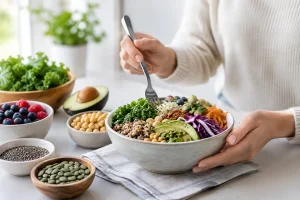
Supplements can be useful, but they work best within a lifestyle that gives beneficial microbes something to work with. Colorful vegetables, legumes, whole grains, nuts, seeds, and fruits supply the fibers and plant compounds that help nourish a diverse microbiome.
If you are new to fermented foods or probiotic supplements, begin with the recommended serving and pay attention to how you feel over several weeks. Changes in digestion are not always immediate, and more is not automatically better. People with a health condition, those who are immunocompromised, or anyone under active medical care should speak with a qualified health professional before making significant changes to their supplement routine.
The most enduring benefit of lactic acid bacteria may be the reminder that wellness is built through relationships: between food and microbes, the gut and immune system, internal nourishment and skin vitality, and daily choices repeated over time. Choose fermented nutrition with the same care you bring to the rest of your health goals, and let consistency do its quiet work.