A flax smoothie can be a valuable part of a plant-forward diet, but it does not automatically provide the same omega-3 profile as a vegan omega 3 supplement made with algae. The distinction matters because the omega-3s most closely associated with brain, eye, heart, and cellular support are DHA and EPA, while flax, chia, walnuts, and hemp primarily provide ALA.
For people who avoid fish, choosing omega-3 support is not about finding a substitute that merely looks familiar on a label. It is about understanding the source, the forms of omega-3 it provides, and the quality practices that help protect these delicate fats from oxidation. A well-chosen plant-based formula can make daily nutritional support feel both practical and aligned with a whole-food, wellness-centered lifestyle.
Why DHA and EPA Matter in a Plant-Based Routine
Omega-3 fatty acids are structural components of cell membranes throughout the body. DHA is particularly concentrated in the brain and retina, while EPA helps support healthy inflammatory balance and cardiovascular function. Both are long-chain omega-3 fatty acids, meaning they are ready for the body to use without requiring extensive conversion.
ALA, or alpha-linolenic acid, is also an omega-3 and is found in many nutritious plant foods. The body can convert some ALA into EPA and DHA, but this conversion is limited and varies from person to person. Factors such as age, overall diet, genetics, and nutrient status may influence how efficiently that conversion occurs.
That does not diminish the value of flaxseed or chia. These foods contribute fiber, phytonutrients, and beneficial fats. But for someone who wants a dependable source of preformed DHA and EPA, algae-based supplementation offers a more direct approach. Fish obtain their omega-3s by eating microalgae or other marine organisms that have consumed it. Algae oil goes to the original source.
What Makes a Vegan Omega 3 Supplement Different?
The most meaningful distinction is the oil source. A quality vegan omega 3 supplement generally uses marine microalgae cultivated for its naturally occurring DHA, EPA, or both. It is not fish oil with a plant-based marketing message. It is a direct, vegetarian source of long-chain omega-3 fatty acids.
Not every algae oil has the same nutrient profile. Some formulas are primarily DHA-focused, while others provide both DHA and EPA. A DHA-only formula may be appropriate for certain people, particularly when the goal is focused nutritional support for brain, eye, or prenatal wellness. For broader daily support, many adults prefer a formula containing both DHA and EPA.
The best choice depends on your dietary pattern, health goals, and guidance from a qualified health professional. If you are taking a supplement to address a specific concern or are managing a health condition, a personalized recommendation is more useful than chasing the highest number on the front label.
Read the Amount of DHA and EPA, Not Just the Oil Total
A bottle may prominently state the total amount of algae oil per serving. That number can be useful, but it does not tell the whole story. Turn to the Supplement Facts panel and look for the separate amounts of DHA and EPA.
For example, two formulas may contain a similar amount of total oil while delivering very different amounts of active omega-3 fatty acids. The DHA and EPA amounts are what allow you to compare formulas meaningfully. They also help you choose a serving size that fits your routine without unnecessary guesswork.
This is especially relevant for people eating a fully vegan diet, those who rarely consume omega-3-rich foods, and adults whose nutrition needs may change with age. A consistent daily practice is usually more valuable than an occasional high-dose approach that is difficult to maintain.
Quality Matters Because Omega-3 Oils Are Delicate
Omega-3 fats are beneficial precisely because of their chemical structure, but that structure also makes them vulnerable to heat, light, and oxygen. When an oil oxidizes, its quality can decline. Thoughtful formulation, packaging, and storage are not cosmetic details. They are central to the integrity of the finished supplement.
When evaluating an algae-based omega-3 formula, look for signs that the manufacturer takes quality seriously:
- Clear identification of the algae source and the DHA and EPA provided per serving.
- Testing practices that address purity and oxidation, rather than relying on broad claims alone.
- Protective packaging designed to limit exposure to light and air.
- A simple ingredient list without unnecessary colors, artificial flavors, or fillers.
- Storage directions that are realistic for everyday use and easy to follow.
A fresh, well-made oil should also be pleasant to take. Algae oil avoids the fishy aftertaste that can discourage consistency with conventional marine oils. Some people still prefer taking any oil-based supplement with a meal, particularly one containing fat, because it can be gentler on the stomach and supports normal fat digestion.
Capsules, softgels, and liquid formulas each have a place. Softgels are convenient and portioned, while liquids may work well for people who dislike swallowing capsules or want flexible dosing. If you follow a strict vegan lifestyle, check the capsule material too. Some softgels use gelatin, while vegan options are commonly made with plant-derived materials.
How Omega-3s Fit Into Whole-Body Wellness
No single nutrient carries the entire burden of a healthy lifestyle. Omega-3s work best as part of a wider foundation that includes colorful plant foods, adequate protein, restorative sleep, movement, hydration, and attention to digestive health.
Digestive wellness deserves particular consideration. The foods that nourish the gut microbiome, including fiber-rich vegetables, legumes, fruits, and fermented foods when tolerated, can support the body’s broader nutritional ecology. Think of probiotics as chefs, prebiotics as their ingredients, and postbiotics as the beneficial meals created through microbial activity. Omega-3s are not probiotics, but they can be a complementary part of a proactive routine built around cellular nourishment and whole-body balance.
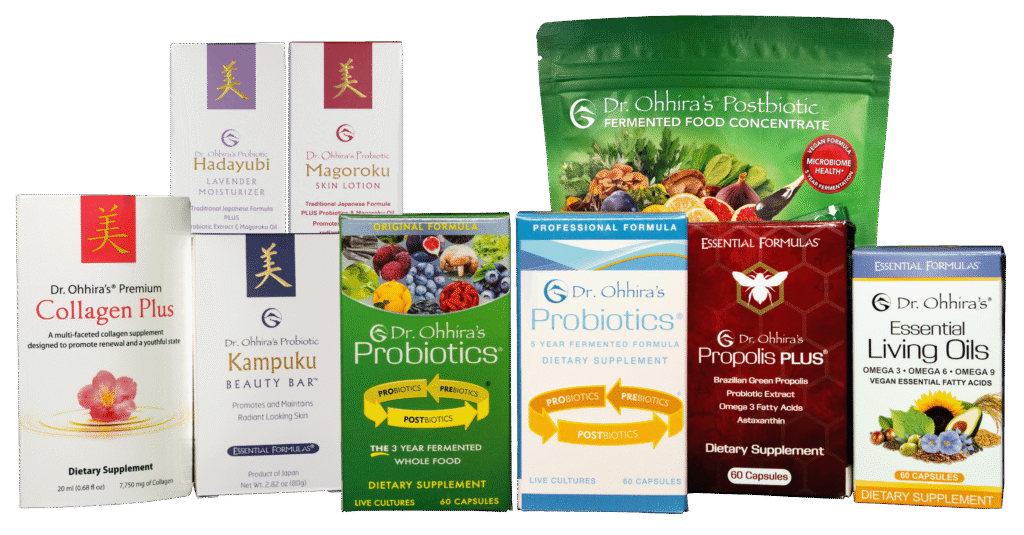
At Essential Formulas, this connected view of wellness informs how we think about daily nutritional support: quality ingredients, intelligent formulation, and consistency over quick fixes. A supplement should fit naturally into the routines that help you feel your best, not complicate them.
A Few Sensible Safety Considerations
More is not always better with dietary supplements. Follow the product directions unless a health care professional recommends otherwise. If you use anticoagulant or antiplatelet medication, have a bleeding disorder, are preparing for surgery, are pregnant or breastfeeding, or are managing a medical condition, speak with your clinician before adding a concentrated omega-3 formula.
It is also wise to review your complete supplement routine periodically. Multinutrient products, prenatal formulas, and specialty formulas may already include omega-3s. Knowing your total intake helps you make thoughtful choices and prevents a well-intentioned routine from becoming unnecessarily complicated.
A vegan omega-3 formula is most valuable when it answers a real nutritional need with a source you trust. Choose one with clearly stated DHA and EPA, careful quality standards, and a format you will actually take every day. That small, informed decision can become a steady part of caring for the cells, systems, and daily vitality that carry you forward.