Collagen is often discussed as a beauty nutrient, but its role is much broader. This structural protein helps provide the framework for skin, connective tissue, bones, blood vessels, and more. Natural ways to support collagen begin with a realistic perspective: the body continuously makes, breaks down, and remodels collagen. Daily nutrition and lifestyle habits can help provide the raw materials and protective conditions that support this ongoing process.
Collagen production naturally changes with age. Sun exposure, smoking, inadequate protein intake, chronic stress, and poor sleep can also work against the body’s ability to maintain healthy connective tissue. The goal is not to chase a single miracle ingredient. It is to build a pattern that supports whole-body resilience, from digestive function and antioxidant status to skin hydration and recovery.
1. Eat enough high-quality protein
Collagen is made from amino acids, particularly glycine, proline, and hydroxyproline. Your body can make some amino acids, but it still needs sufficient dietary protein to maintain its many repair and renewal processes.
Include protein consistently across meals rather than reserving most of it for dinner. Fish, poultry, eggs, dairy foods, legumes, tofu, tempeh, and quality protein-rich whole foods can all contribute. Bone broth, gelatin, and collagen peptides provide collagen-specific amino acids, although they should complement, not replace, a varied protein intake.
Protein needs differ based on age, body size, activity level, appetite, and health status. Older adults and highly active people may need to be especially deliberate, since consistently low protein intake can make it harder to support healthy muscle and connective tissue maintenance.
2. Pair protein with vitamin C-rich foods
Vitamin C is a necessary cofactor in collagen synthesis. In practical terms, your body uses it to help stabilize and form collagen fibers. A protein-focused meal becomes more collagen-conscious when it also includes colorful produce.
Citrus, kiwi, strawberries, bell peppers, broccoli, Brussels sprouts, tomatoes, and leafy greens are excellent choices. Consider eggs with sautéed peppers, salmon with broccoli, or lentils with tomatoes and lemon. These combinations are simple, flavorful, and more useful than treating nutrients as isolated parts.
Fresh and lightly cooked produce can both fit well. Vitamin C is sensitive to prolonged heat and storage, so variety matters. A daily mix of raw and gently prepared fruits and vegetables is a practical approach.
3. Protect existing collagen from excessive sun exposure
Supporting collagen is not only about what you add to your routine. It is also about reducing avoidable breakdown. Ultraviolet exposure is one of the most significant external factors associated with visible skin aging because it can increase oxidative stress and enzymes that degrade collagen.
Daily sun protection is one of the most effective skin-support habits available. Seek shade during intense midday sun, wear protective clothing and sunglasses, and use a broad-spectrum sunscreen appropriate for your skin type. This is not about avoiding daylight altogether. Sensible outdoor time supports a healthy lifestyle, while repeated unprotected exposure can place unnecessary stress on skin structure.
4. Build antioxidant variety into your meals
Oxidative stress can affect the body’s structural proteins, including collagen. Antioxidants from whole foods help support the body’s defenses against the normal oxidative demands created by metabolism, environmental exposure, and active living.
Rather than relying on one celebrated “superfood,” aim for color and variety throughout the week. Deep berries, dark leafy greens, orange vegetables, herbs, green tea, cocoa, nuts, seeds, and beans each contribute different phytonutrients. These compounds work within a larger dietary pattern, not as stand-alone fixes.
Minerals matter, too. Zinc and copper participate in connective tissue processes, while selenium supports antioxidant systems. Shellfish, pumpkin seeds, beans, cashews, whole grains, seafood, and Brazil nuts can contribute, depending on your dietary preferences. More is not always better with supplemental minerals, so targeted supplementation is best considered with a qualified health professional when needed.
5. Support the digestive ecosystem
A resilient digestive system helps the body access nutrients from food, including the protein, vitamin C, and plant compounds involved in collagen-supportive nutrition. The gut does not directly “make collagen for the skin,” but digestive comfort, regularity, dietary diversity, and nutrient absorption are relevant parts of a whole-body wellness foundation.
Think of the microbiome as a working kitchen. Prebiotics are the ingredients that feed beneficial microbes, probiotics are the chefs, and postbiotics are the beneficial compounds created during the process. Foods such as onions, garlic, asparagus, oats, legumes, apples, and cooled potatoes can provide prebiotic fibers. Yogurt, kefir, sauerkraut, kimchi, and other traditionally fermented foods may also fit, provided they agree with your individual digestive needs.
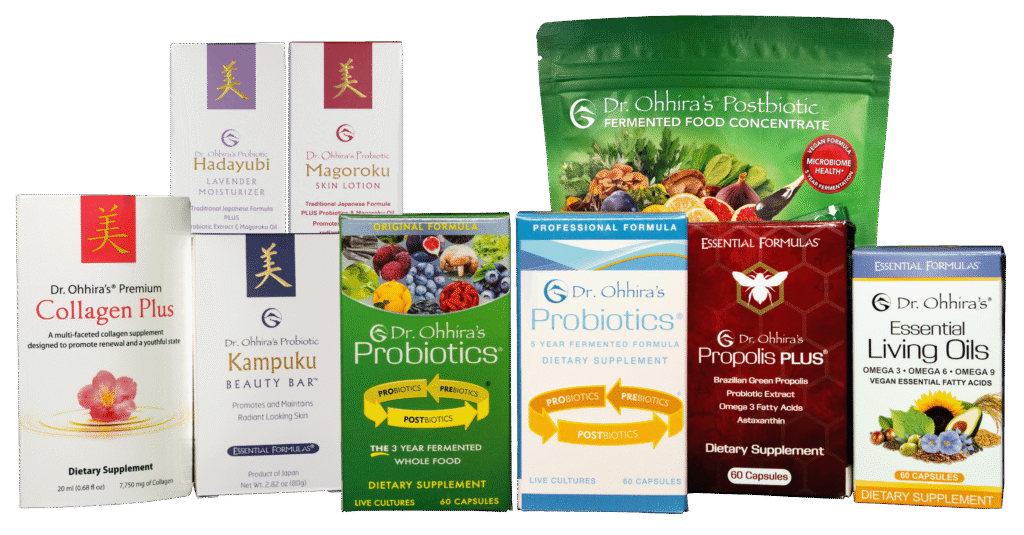
For those seeking a more comprehensive fermented-food approach, Dr. Ohhira’s Probiotics® brings together prebiotics, live lactic-acid bacteria, and fermentation-derived postbiotic compounds from a carefully aged whole-food fermentation process. It can be a thoughtful addition to a microbiome-aware routine, especially when paired with fiber-rich meals rather than used as a substitute for them.
6. Make sleep part of your collagen strategy
Skin and connective tissue do not operate on a daytime-only schedule. Sleep is a key period for recovery, immune regulation, and normal tissue maintenance. Short or disrupted sleep can also increase stress signaling and make healthy habits harder to sustain the next day.
A collagen-supportive sleep routine does not require perfection. Start by creating a consistent wake time, dimming bright lights in the evening, and giving yourself a wind-down period away from work and scrolling. If sleep is regularly difficult, look beyond the obvious. Caffeine timing, alcohol, late heavy meals, an uncomfortable room temperature, and unmanaged stress can all play a role.
7. Move your body, then allow recovery
Connective tissues respond to use. Resistance training, walking, yoga, Pilates, and other forms of regular movement can help maintain the muscle and mobility that support an active life. Mechanical loading is one of the signals the body uses to maintain bone, tendon, and connective tissue health.
The trade-off is recovery. Suddenly increasing training volume, repeatedly exercising through pain, or neglecting rest can work against your goals. Progress gradually, prioritize sound technique, and build in easier days. Adequate protein, hydration, sleep, and mobility work are especially valuable when activity increases.
8. Limit collagen-unfriendly habits where possible
Tobacco exposure is strongly associated with premature collagen breakdown and impaired skin healing. If you smoke or use nicotine products, seeking support to reduce or stop is one of the most meaningful choices you can make for skin and overall health.
Alcohol deserves a measured approach as well. Occasional use may fit some lifestyles, but frequent or heavy intake can disrupt sleep, hydration, nutrient status, and recovery. Added sugars and highly refined foods are not forbidden, yet a routine built primarily around them leaves less room for the protein, produce, healthy fats, and fiber that nourish the body more fully.
A practical routine that can last
The best natural ways to support collagen are the ones you can repeat. Begin with a protein-containing breakfast, add a vitamin C-rich fruit or vegetable to two meals, protect your skin before heading outdoors, and create a calmer evening routine. Those four actions can create more meaningful momentum than an elaborate protocol you abandon after a week.
Collagen support is ultimately an expression of daily care: nourishing your body, respecting recovery, protecting your skin, and tending the digestive ecosystem that helps connect food choices to whole-body wellness. Small, consistent choices give your body the conditions it needs to keep doing what it is designed to do.