A bright berry bowl, a cup of green tea, and a colorful dinner may seem like small daily choices. Yet they can help supply the anti aging antioxidants your cells use to manage oxidative stress – one of the normal biological pressures associated with aging, environmental exposure, exercise, and everyday metabolism.
The goal is not to eliminate oxidation altogether. Your body uses controlled oxidative activity in immune signaling, cellular communication, and energy production. Healthy aging is about supporting balance: providing protective compounds, maintaining the nutrient systems that recycle them, and creating lifestyle conditions that do not continually overwhelm those defenses.
What Anti Aging Antioxidants Actually Do
Antioxidants are compounds that can help stabilize highly reactive molecules known as free radicals. Free radicals are produced naturally as cells convert food and oxygen into energy. They can also increase in response to UV exposure, air pollution, smoking, excess alcohol, poor sleep, intense exercise without adequate recovery, and a diet low in plant foods.
When free radical activity exceeds the body’s protective capacity, oxidative stress can occur. Over time, oxidative stress may affect lipids, proteins, DNA, and the structural components that help skin look firm and hydrated. It is one reason antioxidant nutrition is often discussed in relation to skin appearance, cardiovascular wellness, brain health, immune function, and cellular aging.
Still, antioxidant support is not a contest to take the highest possible dose of a single nutrient. The body relies on an interdependent network. Vitamin C can help regenerate vitamin E. Minerals such as selenium and zinc support antioxidant enzymes. Plant polyphenols influence cellular pathways that coordinate the body’s own protective response. Food-derived carotenoids offer another layer of support for tissues exposed to light and environmental stress.
This is why a broad, food-first approach generally makes more sense than relying on one isolated compound to do all the work.
The Most Useful Sources Are Usually Colorful and Varied
Plants create protective compounds for their own survival. When we eat a diverse range of plant foods, we benefit from that chemistry. Deep red, blue, orange, green, purple, and even white plant foods each contribute distinct phytonutrients.
Berries, cherries, red grapes, pomegranate, cocoa, and colorful beans provide polyphenols. Leafy greens, broccoli, herbs, and cruciferous vegetables contribute vitamin C and sulfur-containing compounds that support natural detoxification pathways. Tomatoes, red peppers, carrots, sweet potatoes, and winter squash supply carotenoids. Green tea offers catechins, while nuts, seeds, avocado, and olive oil provide vitamin E and supportive fats.
Preparation matters, but there is no single perfect method. Light cooking can improve the availability of some carotenoids, including those in tomatoes, while raw fruits and vegetables preserve certain heat-sensitive nutrients. The practical answer is variety: enjoy some produce raw, some lightly cooked, and some simmered into satisfying meals.
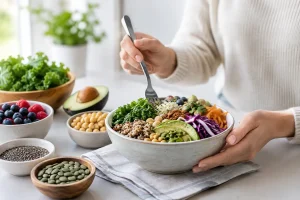
Rather than chasing a short list of “superfoods,” aim for repeated color across the week. A person who eats blueberries at breakfast, arugula at lunch, lentils and roasted vegetables at dinner, and citrus or kiwi as a snack is creating a more resilient nutritional foundation than someone depending on an occasional antioxidant drink.
Why the Gut Microbiome Belongs in the Conversation
Many antioxidant-rich foods do more than deliver vitamins directly. Their fibers and polyphenols reach the large intestine, where they interact with the gut microbiome. Certain polyphenols are transformed by intestinal microbes into smaller metabolites that may be more readily absorbed or biologically active than the original compounds.
Think of probiotics as chefs, prebiotics as their ingredients, and postbiotics as the beneficial meals created through microbial activity. A well-nourished microbial community can help make more from the plant compounds you eat. In turn, plant diversity helps support the microbes that participate in that work.
Fermented foods and carefully produced fermented supplements can fit naturally into this ecosystem. Fermentation does not merely preserve ingredients. It can create postbiotic metabolites, organic acids, peptides, and other compounds that reflect the activity of beneficial microbes over time. The quality of the ingredients, the strains involved, and the length and control of fermentation all matter.
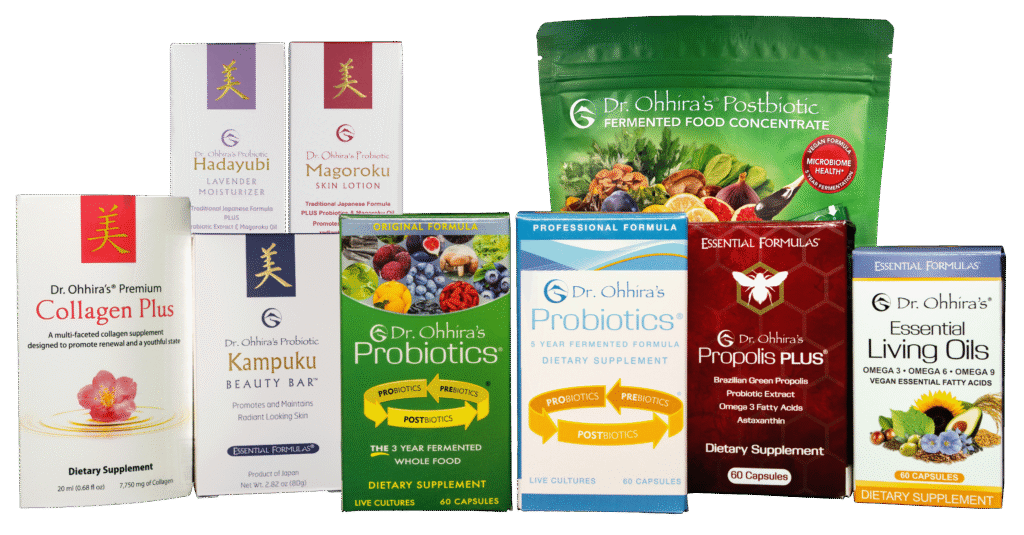
This whole-system view is central to the Dr. Ohhira’s approach: antioxidant support is not simply about adding a single vitamin to your routine. It is also about respecting the relationship between whole foods, microbial metabolism, digestion, and the compounds your body can use.
Antioxidants and Skin: Support From Both Sides
Skin is continuously exposed to oxygen, sunlight, shifting weather, and airborne pollutants. UV exposure in particular can increase oxidative stress in the skin, which is one reason daily broad-spectrum sun protection remains essential. No antioxidant-rich diet or supplement replaces sun-smart habits.
Nutrition can complement topical care. Vitamin C is involved in collagen formation, while carotenoids and polyphenol-rich foods may support the skin’s natural defenses against environmental stress. Adequate protein, hydration, essential fatty acids, and sleep also matter because healthy-looking skin depends on more than antioxidant intake alone.
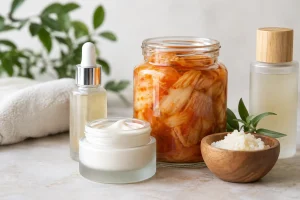
Topical formulas can provide a separate, direct route of support. Microbiome-conscious skin care is especially relevant for people who want to maintain a comfortable, balanced skin barrier rather than overcorrect with harsh routines. Gentle cleansing, barrier-supportive moisture, and consistent sun protection often deliver more visible long-term benefit than frequently changing products.
When an Antioxidant Supplement May Make Sense
A supplement can be useful when food intake is inconsistent, nutrient needs are elevated, digestion limits dietary variety, or a practitioner has identified a specific goal. It can also provide a dependable way to add targeted botanical or fermentation-derived compounds to an already healthful routine.
The most appropriate choice depends on the individual. Someone who rarely eats fruits and vegetables may benefit most from improving meals first. Someone following a highly restricted diet may need more personalized guidance. Athletes, older adults, and people managing chronic health concerns should be especially thoughtful about supplement selection and discuss medications or conditions with a qualified health care professional.
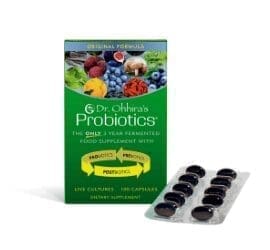
When evaluating an antioxidant formula, look beyond a dramatic front-label claim. Consider whether it identifies meaningful ingredients and amounts, uses quality sourcing and testing, and explains its intended role. For fermented products, ask what is being fermented, for how long, and whether the formula recognizes the value of postbiotic compounds in addition to live cultures.
More is not always better. Very high-dose antioxidant supplementation may not be appropriate for everyone and can interact with medications or medical treatment. A well-designed routine supports the body’s normal processes without treating the body as a problem to overpower.
Daily Habits That Protect Your Antioxidant Reserve
Food and supplements work best in the context of recovery. Chronic stress, short sleep, smoking, frequent heavy alcohol use, and repeated sunburn can place a significant demand on antioxidant defenses. Addressing those factors can be as meaningful as adding another capsule or powder.
Build meals around plants and protein, then include healthy fats that help the body absorb fat-soluble carotenoids. Choose a range of colors instead of eating the same produce every day. Move regularly, but allow recovery after demanding activity. Protect exposed skin from the sun, and make sleep a nonnegotiable part of your wellness plan.
Healthy aging is not about reversing time or pursuing perfection. It is about giving your cells, microbiome, skin, and immune system steady inputs they can recognize: nourishing foods, thoughtful fermentation, restorative habits, and support chosen for your individual needs. Those ordinary choices, repeated with care, are where lasting vitality begins.