A probiotic can be alive when it leaves the bottle and still be poorly equipped for the trip ahead. So, do probiotics survive stomach acid? Some do, some do not, and the most meaningful answer depends on the specific organism, the formula, and what happens after it reaches the small intestine. This is why digestive support should be evaluated as an ecosystem, not a simple race to deliver the highest possible number of live bacteria.
Do Probiotics Survive Stomach Acid?
The stomach is designed to be a demanding environment. Its acidic digestive juices help break down food and provide an important first line of defense against unwanted microbes. When the stomach is empty, its pH may be quite low, often in the range where many bacteria struggle to remain viable. Acid levels can become less intense temporarily after a meal, particularly one containing protein and fat, because food helps buffer the stomach’s contents.
That does not mean all probiotics are destroyed on contact. Certain strains of lactic-acid bacteria and other probiotic organisms have natural acid tolerance. Others may be protected by a carefully designed delivery system or by the food matrix surrounding them. Yet acid resistance is not an all-or-nothing trait. A portion of a probiotic population may survive while another portion does not.
The stomach is also only one part of the journey. Surviving bacteria must then tolerate bile acids in the small intestine, interact appropriately with the existing microbiome, and remain active long enough to provide a benefit. A large number printed on a supplement label cannot, by itself, tell you whether those organisms are suited to this full digestive passage.
Survival Is Not the Same as Colonization
One of the most common misconceptions about probiotics is that they must permanently take up residence in the gut to be useful. In reality, many probiotic organisms are transient visitors. They may pass through the digestive tract, communicate with the intestinal environment, and support microbial balance without becoming lifelong members of the microbiome.
Think of probiotics as skilled chefs visiting a kitchen. They can influence what is prepared while they are there, but they do not necessarily move in. Prebiotics are the ingredients that help beneficial microbes thrive, while postbiotics are the valuable compounds created through microbial activity – the finished meals, so to speak.
This distinction matters because wellness support is not limited to live organisms. Beneficial fermentation compounds may support the digestive environment even when a live microbe does not reach the colon in large numbers. For consumers who are focused only on colony-forming units, this broader view can be a helpful reset.
What Helps a Probiotic Reach the Intestine?
A probiotic’s ability to withstand digestion is shaped by several connected factors. The first is strain specificity. Bacteria within the same broad genus can behave very differently under acidic conditions. Research on one strain should not automatically be applied to every related strain.
The formula itself also matters. Some products use capsules engineered to resist stomach acid and dissolve later in the digestive tract. These may be useful for certain organisms, although a delayed-release capsule is not automatically superior in every situation. Its performance depends on whether it releases the organisms in the intended location and whether the strains remain stable throughout storage.
Food-based delivery can matter, too. Taking a probiotic with a meal may provide some buffering against stomach acid, but directions vary by formula. Follow the product label rather than assuming that before-meal, with-meal, or after-meal timing is universally best. A person’s digestion, medications, and health history can also change the equation.
Finally, quality begins before the supplement is swallowed. Heat, moisture, oxygen, manufacturing practices, and shelf time can all influence viability. A meaningful formula identifies its ingredients clearly and is produced with attention to stability, not merely an impressive number on the front label.
Why Fermentation Changes the Conversation
The question of probiotic survival becomes more nuanced when a formula includes fermentation-derived postbiotics. During fermentation, beneficial microorganisms transform whole-food ingredients into a complex array of metabolites. These can include organic acids, peptides, enzymes, and other compounds that help create a more supportive microbial environment.
Postbiotics are not dependent on remaining alive during digestion. That gives them a different role from live probiotics, not a lesser one. They can complement live cultures by delivering the beneficial byproducts of fermentation directly, while probiotics may continue their work as transient microbial visitors.
This is the value of considering the prebiotic-probiotic-postbiotic ecosystem as a whole. Prebiotic fibers and plant compounds help nourish beneficial microbes. Probiotics contribute living organisms selected for specific characteristics. Postbiotics provide the useful compounds produced when microbes do their work well. Together, these elements can offer a more complete strategy than chasing a single metric.
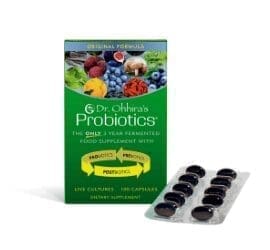
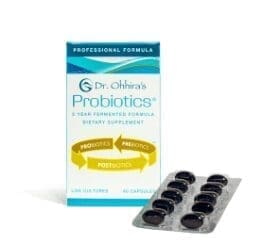
Dr. Ohhira’s Probiotics reflects this whole-food perspective through its multi-year fermentation process, which brings together fruits, vegetables, mushrooms, seaweed, pure water, and live lactic-acid bacteria. The resulting formula emphasizes not only living cultures but also the naturally occurring postbiotic compounds created during fermentation.
How to Choose a More Thoughtful Probiotic
Start by looking beyond a generalized promise of digestive health. A quality probiotic should identify the organisms it contains with enough detail to help you understand the formula. It should also explain its approach to storage and use. Refrigeration may be appropriate for some products, while other formulations are designed for shelf stability. Neither format is automatically better without considering the strains and manufacturing process behind it.
Consider your goal as well. Occasional digestive changes after travel, support during dietary transitions, and long-term microbiome maintenance may call for different approaches. If you are taking antibiotics, prescription acid-suppressing medications, or immune-modulating therapies, personalized guidance from a qualified health care professional is especially wise. People with serious illness or substantially compromised immune function should not self-prescribe high-dose probiotics without clinical input.
It also helps to set realistic expectations. Microbiome support is often a daily practice rather than a one-time correction. A varied plant-rich diet, adequate hydration, movement, sleep, and stress management all influence the terrain in which gut microbes live. A supplement can be a purposeful addition, but it cannot replace the foundations that nourish the digestive ecosystem every day.
The Better Question to Ask
Rather than asking only whether every probiotic survives stomach acid, ask whether a formula is thoughtfully designed to support your digestive environment from multiple angles. Live organisms, protective delivery, strain selection, whole-food fermentation, and postbiotic activity can each have a place.
Your gut is not looking for the loudest label claim. It is looking for consistent, intelligent nourishment – the kind that respects the complexity of the microbiome and supports your health goals over time.