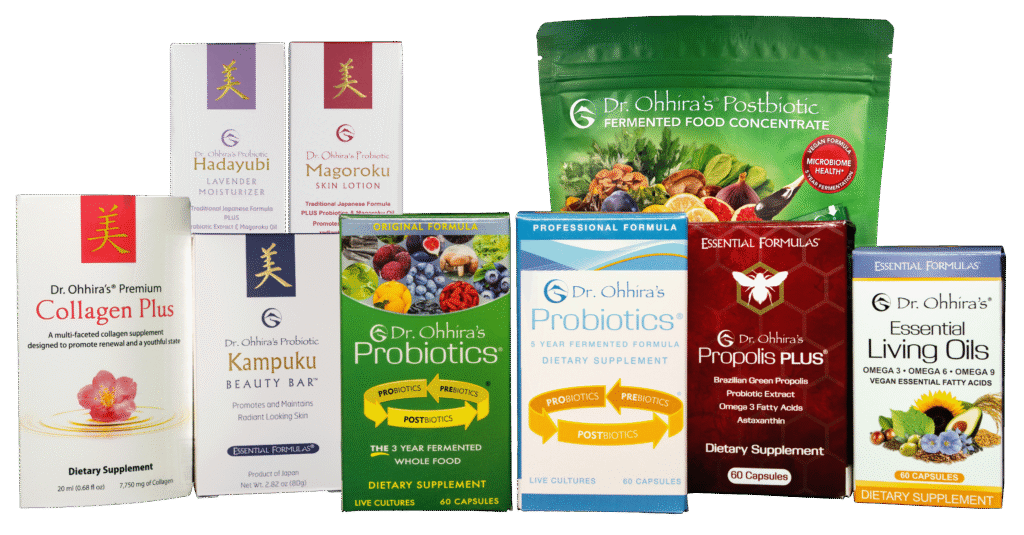
A skin care formula can contain a long list of impressive botanicals and still feel incomplete if it overlooks the skin’s living environment. Fermented skincare takes a different view. Rather than treating skin as a surface to be stripped, corrected, or constantly challenged, it looks at how fermentation can transform whole-food ingredients into skin-compatible compounds that help support hydration, comfort, and a balanced-looking complexion.
The appeal is not simply that fermentation sounds natural. It is a biological process with a practical purpose: microorganisms work on plant materials over time, creating smaller, more usable compounds and beneficial metabolites. For people who already think about digestive wellness, probiotics, and whole-body balance, this approach makes intuitive sense. Skin has its own ecosystem, and the choices made in a daily routine can influence how supported that ecosystem feels.
What Fermented Skincare Actually Means
Fermentation is the controlled activity of beneficial microorganisms, often lactic-acid bacteria and yeasts, on nutrient-rich ingredients. In skin care, that process may begin with fruits, vegetables, herbs, grains, seaweed, or other botanical materials. As fermentation progresses, microorganisms consume available nutrients and produce a complex mixture of metabolites, including organic acids, peptides, amino acids, and antioxidants.
The finished ingredient is not necessarily a topical probiotic in the everyday sense. Many well-designed formulas feature fermented extracts, filtrates, lysates, or postbiotic ingredients rather than live microbes. This distinction matters. Live microorganisms can be delicate in a topical product, while the useful compounds they create during fermentation can be more stable and easier to formulate into a consistent daily application.
A helpful comparison is the one used in microbiome education: probiotics are the chefs, prebiotics are the ingredients, and postbiotics are the beneficial meals they prepare. In fermented skin care, the final value often lies in those fermentation-derived meals – the metabolites and transformed botanical compounds delivered to the skin.
Why Fermentation Can Change a Botanical Ingredient
A whole botanical is not automatically better just because it is recognizable. Its beneficial constituents may be tightly bound within plant structures, too large to interact efficiently at the skin’s surface, or difficult to preserve in a finished formula. Fermentation can gently pre-process the material.
During this transformation, complex compounds may be broken into smaller components. This can improve the ingredient’s compatibility with skin and contribute to the sensory quality people notice immediately: a formula that spreads easily, absorbs comfortably, and leaves skin feeling conditioned rather than coated. Fermentation can also create organic acids and antioxidant compounds that complement a thoughtful topical routine.
That does not mean every fermented ingredient works the same way, or that fermentation makes a product automatically appropriate for every skin type. The plant source, fermentation conditions, preservation system, concentration, and entire formula all matter. A short fermentation period and a carefully managed multi-year process are not interchangeable. Time, raw-material quality, and microbial expertise shape the resulting postbiotic profile.
The Skin Microbiome Deserves a Place in Your Routine
Your skin is home to a diverse community of microorganisms. This skin microbiome exists alongside the physical barrier made of skin cells and lipids. Together, they help create the conditions for skin that looks calm, feels comfortable, and responds predictably to daily life.
Harsh cleansing, frequent over-exfoliation, environmental exposure, stress, changing seasons, and overly aggressive products can all make that balance harder to maintain. This is why a routine built entirely around stronger actives can sometimes leave skin feeling tight, reactive, or unsettled, even when the goal was a clearer or more polished appearance.
Fermented topical ingredients are not a replacement for sunscreen, gentle cleansing, or professional guidance when a skin concern is persistent. They can, however, fit well into a microbiome-conscious approach. The goal is not to sterilize the skin. It is to care for it in a way that respects the barrier and the ecology that live at its surface.
Postbiotics Are Often the Practical Advantage
Postbiotics are beneficial compounds created through microbial fermentation. In topical formulas, they may help condition the skin, support moisture retention, and offer antioxidant support against everyday environmental stressors. Because they are not dependent on microbes remaining alive in the bottle, they can offer a more reliable formulation pathway than products that rely exclusively on live cultures.
This is especially relevant for consumers who want the philosophy of probiotics reflected in their skin care, but also want a stable product that performs consistently from first use to last. The best question is not, “Does it contain bacteria?” It is, “What did the fermentation process produce, and why is that material included?”
How to Choose Fermented Skincare With Confidence
Start with the formula’s purpose. A fermented essence, mist, serum, or moisturizer may all contain fermentation-derived ingredients, yet each has a different job in a routine. If your main concern is dryness, look for a formula designed to replenish moisture and support the skin barrier. If dullness is the issue, antioxidant-rich botanical fermentates may be a sensible addition. If skin feels easily overwhelmed, a minimal, fragrance-conscious formula may be more useful than a product with a long list of trendy extracts.
Then look beyond the word “fermented” on the front label. Quality is reflected in process transparency. Consider whether the company identifies the botanical sources, explains its fermentation approach, and describes the type of fermented material used. A well-considered formula should make sense as a whole, not rest on one fashionable ingredient.
It is also wise to assess the supporting ingredients. Humectants can help attract water to the skin, emollients can soften and smooth, and barrier-supportive lipids can reduce the feeling of dryness. Fermented ingredients may work beautifully alongside these components, but they do not eliminate the need for a balanced base formula.
Adding Fermented Products Without Overcomplicating Your Routine
A fermented product is usually easiest to introduce after cleansing and before a richer moisturizer. A lightweight ferment essence or serum can provide a comfortable hydration-focused layer, while a fermented moisturizer may be all you need after cleansing if your routine is intentionally simple.
When trying something new, use it consistently rather than layering it with several unfamiliar products at once. This gives you a clearer sense of how your skin responds. Patch testing is also sensible, particularly if you have sensitive skin or know that certain botanical ingredients do not agree with you.
If you use prescription topicals, have a diagnosed skin condition, or are recovering from a procedure, ask a dermatologist or qualified health professional how to build your routine. “Natural” does not mean universally non-irritating. Fermented ingredients can be gentle, but individual formulas and individual skin histories still determine the right fit.
Skin Wellness Works From More Than One Direction
Topical care matters, but skin is also influenced by sleep, stress, sun exposure, diet, hydration, and digestive health. This is where a whole-body wellness perspective becomes useful. The gut and skin are distinct systems, yet both interact with the body’s immune activity, oxidative balance, and microbial communities.
Essential Formulas approaches fermentation through this broader lens, with an emphasis on the prebiotic-probiotic-postbiotic ecosystem. That perspective is valuable because it moves the conversation beyond a single ingredient or a quick cosmetic promise. Daily wellness is often built through repeated, supportive choices: nourishing foods, thoughtful supplementation when appropriate, restorative routines, and skin care that works with the skin rather than against it.
Fermented skincare is most compelling when it earns a lasting place on your shelf. Choose it for the quality of the fermentation, the intelligence of the full formula, and the way your skin feels after steady use. A routine that supports comfort and balance is rarely the loudest one, but it is often the one your skin is happiest to keep.