A tight, dry feeling after cleansing is not always a sign that your face is especially clean. It can be a signal that your routine has removed more than makeup, sunscreen, and surface oil. Your skin microbiome – the living community of microorganisms on your skin – works alongside your skin barrier to help maintain a comfortable, resilient-looking complexion. Caring for it is less about chasing sterility and more about creating favorable conditions.
That distinction matters. Skin is not a blank surface to be stripped, polished, or constantly corrected. It is a dynamic ecosystem influenced by climate, age, sleep, stress, diet, medications, cleansing habits, and the products you apply each day. A thoughtful routine can help support its natural balance without asking it to do too much.
What Is the Skin Microbiome?
The skin microbiome includes bacteria, fungi, viruses, and other microscopic organisms that live across the body. Different areas host different communities. The oily skin of the forehead, the dry skin of the forearm, the underarm, and the hands are distinct environments, each with its own conditions and microbial residents.
Many people hear “bacteria” and think “problem.” In reality, healthy skin hosts a diverse microbial community. These organisms interact with one another, with the oils and moisture on the skin’s surface, and with the outermost layer of skin. When conditions are stable, this community can help discourage the overgrowth of less desirable organisms and contribute to the skin’s first-line protective functions.
Think of the process as a well-run kitchen. Probiotics are the chefs, prebiotics are the ingredients that help beneficial microbes thrive, and postbiotics are the useful compounds created during fermentation. In both digestive and topical wellness, the value lies in the whole ecosystem – not in a single ingredient viewed in isolation.
The Microbiome and the Skin Barrier Work Together
Your skin barrier is often described as a brick-and-mortar structure. Skin cells are the bricks, while lipids such as ceramides, cholesterol, and fatty acids help form the mortar. This barrier helps limit moisture loss and reduce exposure to environmental irritants.
The microbiome lives on top of and within this protective landscape. When the barrier is under strain, the surface environment can change. When the surface environment changes, microbial balance may change too. This is why concerns such as dryness, rough texture, visible sensitivity, or a complexion that suddenly seems reactive can call for a broader approach than simply adding a stronger active ingredient.
What Can Disrupt the Skin Microbiome?
Skin changes are rarely caused by one factor alone. Seasonal shifts, a new medication, stress, travel, hormonal changes, and simple aging can all influence moisture, oil production, and the skin’s surface pH. Still, daily habits often play an important role.
Overcleansing is a common example. Washing too frequently, using very hot water, or relying on harsh surfactants can remove beneficial surface lipids along with dirt and excess oil. Aggressive exfoliation can produce a similar effect, especially when scrubs, acids, retinoids, or cleansing brushes are layered without adequate recovery time.
Fragrance, essential oils, preservatives, and other ingredients are not universally problematic. It depends on the formula, concentration, the individual, and the rest of the routine. But if your skin tends to sting, flush, or feel tight after application, simplifying your product lineup can make it easier to identify what is not serving you.
Environmental exposure also counts. Dry indoor heat, cold wind, air pollution, chlorine, sweat left on the skin, and frequent handwashing all affect the surface conditions that the microbiome calls home. The goal is not to avoid life. It is to give the skin consistent support before and after the demands of daily living.
Daily Habits That Support a Balanced Skin Microbiome
Cleanse with a purpose
Cleanse to remove what needs to come off, not to create a squeaky-clean feeling. For many people, a mild cleanser and lukewarm water are sufficient, especially in the morning when there may be little to remove beyond overnight perspiration and skincare residue.
At night, cleansing is more important if you wear sunscreen, makeup, or have been exposed to city air, exercise, or heavy perspiration. If you double cleanse, use a gentle approach for both steps and pay attention to how your skin feels afterward. Persistent tightness is useful feedback, not a badge of effectiveness.
Protect moisture after washing
Apply a moisturizer while skin is still slightly damp. Humectants attract water, while emollients smooth the skin’s surface and lipid-rich ingredients help reinforce the barrier. The best texture depends on your skin type and season: a lightweight lotion may be comfortable in humid weather, while a richer cream can be more supportive in dry winter air.
Sunscreen belongs in this conversation, too. Daily broad-spectrum sun protection helps defend skin from ultraviolet exposure, which can contribute to visible aging and stress the barrier. Choose a formula you can wear consistently. The most elegant ingredient list has limited value if the product stays in the cabinet.
Use active ingredients strategically
Exfoliating acids, retinoids, vitamin C, and other actives can have a place in a well-designed routine. More is not automatically better. Introduce one product at a time, begin gradually, and allow your skin to adjust before adding another intensive step.
If your complexion becomes persistently uncomfortable, visibly irritated, or unusually dry, consider a short reset with a gentle cleanser, moisturizer, and sunscreen. Then reintroduce products slowly. For ongoing or significant skin concerns, a dermatologist can help determine whether a product reaction or an underlying condition needs attention.
Choose topical care with ecology in mind
Microbiome-conscious skin care is not a marketing shortcut for avoiding every preservative or seeking products that feel “natural” in name alone. Water-based products need to remain safe and stable. What matters is a well-formulated product that respects the skin barrier and is appropriate for your own sensitivity level.
Some formulas incorporate prebiotic ingredients, fermented botanical components, or postbiotic compounds. These ingredients may help create a more skin-friendly environment while offering other benefits such as hydration or antioxidant support. Their usefulness depends on the complete formula, how it is preserved, and how your individual skin responds.
Skin Health Also Reflects Whole-Body Habits
Skin is exposed to the outside world, but it is also connected to the body’s internal systems. A pattern of eating that includes colorful plants, fiber-rich foods, adequate protein, and beneficial fats supplies nutrients that support normal skin structure and overall wellness. Hydration matters, although drinking excessive amounts of water will not substitute for barrier-supportive topical care.
Digestive wellness can be part of this picture. The gut microbiome and skin are distinct ecosystems, yet both respond to diet, stress, sleep, medications, and lifestyle patterns. Supporting the prebiotic-probiotic-postbiotic ecosystem through whole foods and carefully selected supplements may be a meaningful element of a broader wellness plan.
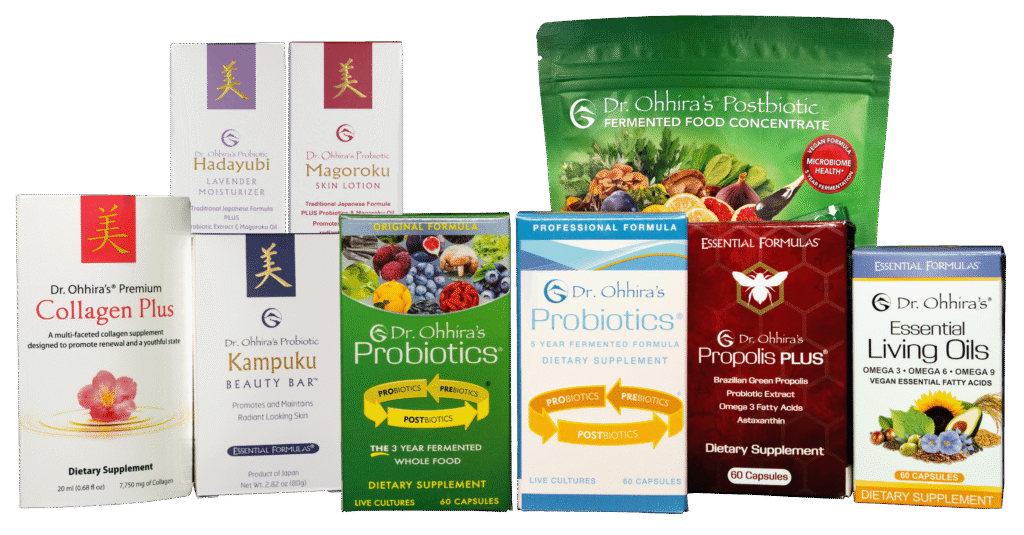
Dr. Ohhira’s Probiotics® reflects this whole-ecosystem perspective through a multi-year fermentation process that combines plant ingredients, live lactic-acid bacteria, and fermentation-derived postbiotic metabolites. It is not a replacement for skin care or medical care, but it can fit naturally within a proactive approach to digestive and whole-body wellness.
Sleep and stress management deserve the same practical attention. Poor sleep, chronic stress, and frequent alcohol intake may show up in the way skin looks and feels. A complicated routine cannot fully compensate for a body that is consistently running on too little recovery.
A More Helpful Standard Than Perfect Skin
The skin microbiome is not something to control down to the last microbe. It changes throughout the day and across the seasons, just as healthy skin itself changes with age and circumstance. Rather than aiming for perfect pores or a completely inactive complexion, look for signs of comfort: skin that feels calm after cleansing, holds moisture more easily, and tolerates your routine without repeated irritation.
Give new habits time. A gentler cleanser, fewer active nights, regular moisturizing, daily sun protection, and nourishing meals may not create an overnight transformation, but they can create the stable conditions your skin has been asking for. Small acts of consistency are often the most microbiome-friendly care you can give.