A probiotic label can tell you how many live organisms are present at manufacture. It often tells you far less about what those organisms have made, transformed, and contributed during fermentation. That distinction is central to Japanese fermented probiotics: a tradition-informed approach that views beneficial bacteria not as isolated ingredients, but as active participants in a broader food-based ecosystem.
For people seeking thoughtful support for digestion, immune resilience, energy, and skin health, this difference matters. A well-developed fermentation can bring together prebiotics, probiotics, and postbiotics in one matrix – creating a more complete nutritional environment than a formula focused on bacterial count alone.
What Makes Japanese Fermented Probiotics Different?
Japanese fermentation traditions have long centered on patience, whole foods, and microbial transformation. Foods such as miso, natto, and certain pickled vegetables demonstrate a simple but powerful principle: when beneficial microorganisms work with plant foods over time, they create new compounds, flavors, aromas, and nutritional characteristics.
In a supplement context, Japanese fermented probiotics may use a cultivated blend of lactic-acid bacteria alongside fruits, vegetables, mushrooms, and seaweed. The bacteria consume available fibers and other food compounds during fermentation. As they do, they produce metabolites such as organic acids, peptides, enzymes, and other postbiotic compounds.
The resulting formula is not merely a capsule of bacteria placed beside a few supporting ingredients. It is a fermented food ecosystem. The precise composition depends on the ingredients, bacterial cultures, fermentation environment, and length of time allowed for the process to unfold.
That final point is especially meaningful. Short fermentation can be useful, but a multi-year process allows ongoing microbial activity and gradual maturation of the fermented material. More time is not automatically better in every product category, yet it can be highly relevant when the goal is to create a complex, whole-food fermentation rich in microbial byproducts.
The Prebiotic-Probiotic-Postbiotic Connection
One helpful way to understand fermentation is to think of probiotics as chefs. Prebiotics are the ingredients they use, and postbiotics are the health-supporting meals they prepare.
Probiotics are beneficial live microorganisms. When they survive a product’s shelf life and reach the digestive tract in viable form, they may support the balance and activity of the microbiome. Their effects are strain-specific, so the name of a bacterial species alone does not guarantee a particular outcome.
Prebiotics are compounds, often plant fibers, that help nourish beneficial microbes. They can come from foods you eat every day as well as from the botanical ingredients included in a fermented formula. A diverse, plant-forward diet remains foundational because it supplies the microbiome with a changing range of fibers and polyphenols.
Postbiotics are the beneficial compounds produced through microbial activity or released from microbial cells. They are not dependent on bacteria being alive at the moment you take them. This makes them especially interesting for people who want the benefits of fermentation even when individual probiotic organisms face the ordinary challenges of storage, digestion, and stomach acid.
A formula that includes all three elements is designed to work as an ecosystem. Live cultures bring microbial potential. Prebiotic plant materials provide a food source and a naturally complex matrix. Postbiotic metabolites provide the tangible output of fermentation. Rather than treating these components as competing categories, Japanese fermentation recognizes how closely connected they are.
Why Fermentation Time Changes the Conversation
Fermentation is not a decorative step added to an ingredient list. It is a biological process, and process shapes the finished material.
As lactic-acid bacteria metabolize plant ingredients, acidity changes, food structures are broken down, and new compounds emerge. These shifts may make certain components easier to work with nutritionally while also creating the distinctive tart, earthy, or savory sensory qualities associated with fermented foods.
A longer fermentation also creates a more developed postbiotic profile. The exact compounds present will vary, and responsible brands should avoid suggesting that every fermented product works identically. Still, the underlying logic is sound: bacteria that have had time, nourishment, and a carefully managed environment can generate more than their own live-cell count.
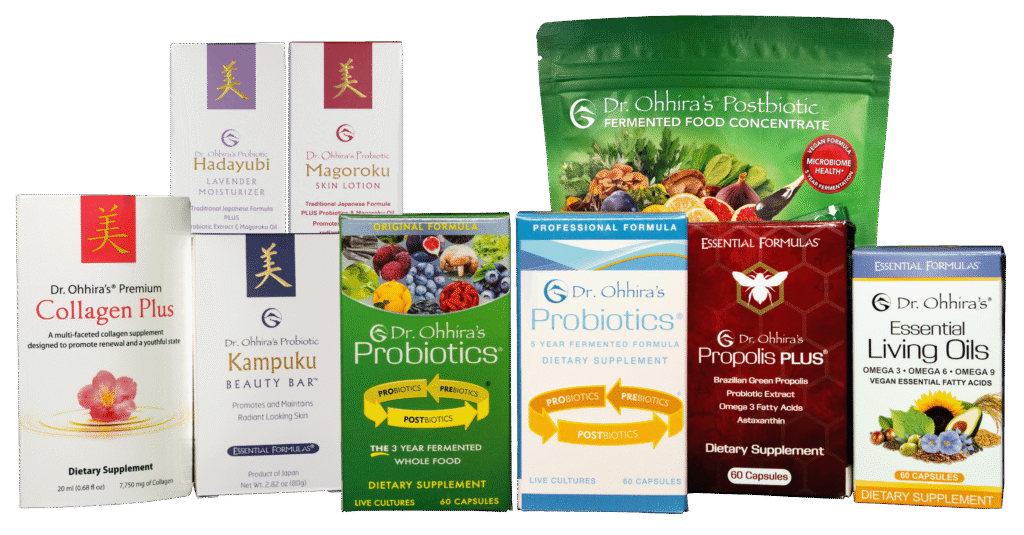
This is the Dr. Ohhira’s Advantage. Its Original Formula is crafted through a multi-year Japanese fermentation process using pure water, plant foods including fruits, vegetables, mushrooms, and seaweed, plus lactic-acid bacteria. The goal is a whole-food supplement that reflects the full prebiotic-probiotic-postbiotic relationship, rather than reducing probiotic support to a single number on a label.
How a Fermented Formula May Support Daily Wellness
The digestive tract is where many people first notice the value of microbiome-conscious nutrition. Changes in meals, travel, stress, sleep, medications, and aging can all influence digestive comfort and regularity. A fermented probiotic formula can be one part of a daily routine aimed at maintaining a balanced internal environment.
Its relevance does not stop at digestion. The gut microbiome communicates with immune activity, nutrient metabolism, and the gut-skin axis. This does not mean a probiotic is a cure-all for fatigue, skin concerns, or immune challenges. It means the microbial ecosystem is one of the systems worth supporting when building a proactive wellness plan.
For skin, internal nourishment and topical care can complement one another. Hydration, protein intake, antioxidant-rich foods, sun protection, sleep, and microbiome-aware skin care all have roles to play. Fermentation-derived compounds are compelling because they reflect the connection between the foods we consume, the microbes that process them, and the signals present throughout the body.
What to Look for on a Fermented Probiotic Label
Not every product described as fermented offers the same degree of transparency or complexity. Begin by looking beyond a large colony-forming-unit number. Viable count can matter, particularly for a strain-specific formula, but it is only one measurement.
Consider whether the product identifies the fermentation process, the types of food-based ingredients used, and whether it explains its prebiotic and postbiotic content. A thoughtfully made formula should give you a clear sense of what is being fermented and why.
Ingredient quality also matters. For many wellness-focused adults, plant-based ingredients, clean-label practices, and the absence of unnecessary fillers are practical priorities. If you have food sensitivities, immune concerns, a medical condition, or are taking medication, review the full label and consult a qualified health care professional before adding a new supplement.
Finally, assess fit rather than chasing the most dramatic claim. Someone looking for everyday foundational support may prefer a broad, whole-food fermented formula. Someone with a complex digestive or immune picture may benefit from practitioner guidance. The best choice depends on your goals, tolerances, diet, and the consistency you can realistically maintain.
Getting More From Your Fermentation Routine
A Japanese fermented probiotic works best as part of a larger pattern of care. Take it consistently according to label directions, and give your routine time. Microbiome support is usually not a one-day proposition.
Pair supplementation with varied plant foods, adequate fluids, regular movement, and sleep that allows your body to recover. If you are new to probiotics or fermented products, begin thoughtfully and pay attention to how you feel. Mild, temporary digestive adjustment can occur for some people, while persistent or significant symptoms warrant professional advice.
The most useful question is not whether a product contains bacteria. It is whether it respects the full biology of fermentation: the living cultures, the foods that nourish them, and the beneficial compounds they create. Choosing with that perspective can make your daily wellness routine feel less like a collection of isolated products and more like a meaningful investment in the ecosystem within.