A tablespoon of ground flaxseed can look modest beside a colorful breakfast bowl, yet it delivers one of the most concentrated plant sources of omega-3 fat. That is the value of understanding plant omega sources: it turns a broad wellness label into practical food and supplement choices that support your daily goals, from cardiovascular wellness and skin comfort to healthy inflammatory balance.
Omega fatty acids are not a single nutrient. They are a family of fats with different structures, food sources, and functions in the body. Plant-forward eating can provide meaningful omega support, but the details matter. The type of omega, the form of the food, your overall dietary pattern, and individual factors such as age, health status, and fish intake all influence what makes sense for you.
What Makes Omega Fats Different?
Fats help form cell membranes, provide energy, and allow the body to absorb fat-soluble nutrients such as vitamins A, D, E, and K. Omega fats are polyunsaturated or monounsaturated fats distinguished by the placement of chemical bonds in their structure. That chemistry may sound technical, but it explains why omega-3, omega-6, and omega-9 fats behave differently in the body.
Omega-3 and omega-6 fats are considered essential because the body cannot make them in sufficient amounts. They must come from food. Omega-9 fats are not essential in the same way because the body can produce them, yet foods rich in omega-9 can still be valuable components of a balanced dietary pattern.
The goal is not to treat one omega family as good and another as bad. Omega-6 fats are necessary for normal physiology, including skin structure and cell signaling. The concern is that modern eating patterns can lean heavily toward refined seed oils and ultra-processed foods while falling short on whole-food omega-3 sources. A more thoughtful approach brings variety, quality, and proportion back to the plate.
Understanding Plant Omega Sources by Type
Plant omega-3: ALA
The principal omega-3 fat in plants is alpha-linolenic acid, or ALA. Flaxseed, chia seeds, hemp seeds, walnuts, and their oils are among the most familiar sources. Dark leafy greens, soy foods, and several other plant foods contribute smaller amounts.
ALA is essential and beneficial in its own right. The body can also convert some ALA into the longer-chain omega-3 fats EPA and DHA, which are found most abundantly in marine foods. However, that conversion is limited and varies from person to person. Genetics, life stage, nutrient status, dietary patterns, and individual metabolism can all affect how much conversion occurs.
This is an important trade-off for people following a vegetarian or vegan lifestyle. Whole-food sources of ALA provide a strong nutritional foundation, but they may not always produce the same blood levels of EPA and DHA that direct sources can provide. For those who do not eat fish or who have specific wellness goals, a plant-based algal oil supplement can offer preformed DHA, often with EPA as well. Algae is technically not a plant, but algal oil is widely used as a vegan, plant-based alternative because it bypasses the need for fish.
Plant omega-6: Linoleic acid
Linoleic acid, or LA, is the primary essential omega-6 fatty acid. It occurs in sunflower seeds, pumpkin seeds, sesame seeds, tahini, walnuts, soy foods, and many vegetable oils. In whole foods, omega-6 arrives alongside fiber, minerals, protein, and protective plant compounds.
Omega-6 deserves a more balanced reputation than it often receives. It supports normal cell membranes and skin barrier function. The practical question is less about eliminating omega-6 and more about examining its sources. A diet centered on whole seeds, nuts, legumes, vegetables, and minimally processed oils is different from one driven by fried foods and packaged snacks.
Plant omega-9: Oleic acid
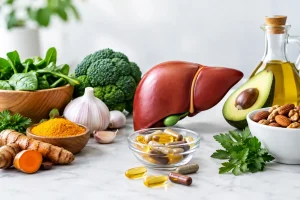
Olive oil, avocados, almonds, peanuts, and high-oleic sunflower oil are rich in omega-9, particularly oleic acid. Although omega-9 is not essential, it is associated with the Mediterranean-style eating patterns many people use as a framework for heart-conscious meals.
Omega-9-rich foods can make plant-forward meals more satisfying and flavorful. A drizzle of extra-virgin olive oil on vegetables, avocado in a grain bowl, or a handful of almonds with fruit can help replace less nourishing sources of dietary fat without making food feel restrictive.
The Best Whole-Food Choices for Daily Use
A dependable plant omega routine does not require chasing a single “superfood.” It works best when several sources appear throughout the week. Ground flaxseed is especially versatile because its outer structure is broken down, making its fats more accessible than whole flaxseed. Stir it into oatmeal, yogurt, smoothies, or homemade energy bites.
Chia seeds absorb liquid and develop a gel-like texture, making them useful in puddings, overnight oats, and baking. Walnuts offer a convenient ALA-containing snack and pair naturally with fruit, salads, and roasted vegetables. Hemp seeds provide a mild, nutty addition to bowls, soups, and blended dressings, along with plant protein.
For omega-9 support, prioritize olive oil, avocado, olives, and nuts. Seeds such as pumpkin and sesame help round out omega-6 intake while contributing minerals and flavor. Soy foods, including tofu, tempeh, and edamame, can contribute small amounts of omega-3 and omega-6 while supplying protein.
Variety matters because these foods offer more than fatty acids. Their fibers help nourish the gut microbiome, while their polyphenols, minerals, and phytonutrients complement a whole-body approach to wellness. Healthy fats and digestive wellness are not separate conversations. The foods that provide beneficial fats can also help create a more diverse, satisfying plant-forward diet.
Food Form, Freshness, and Preparation Matter
Omega-rich foods are delicate. Polyunsaturated fats can oxidize when they are repeatedly exposed to heat, light, and air. That does not mean you need to fear every cooking oil. It means storage and use deserve attention.
Keep flax, chia, hemp, and walnuts in airtight containers, preferably refrigerated once opened. Buy quantities you can use while fresh. Flaxseed oil is best used cold in dressings or added after cooking rather than heated at high temperatures. Extra-virgin olive oil is generally a practical choice for everyday cooking at moderate temperatures, as well as for finishing dishes.
Grinding whole flaxseed shortly before use can preserve flavor and freshness. If convenience is more realistic, pre-ground flax kept chilled is still a useful option. The best approach is the one you can repeat consistently.
When a Plant-Based Omega Supplement May Help
Food should remain the foundation, but supplements can be a focused tool. An algal DHA or EPA/DHA formula may be worth discussing with a qualified health care professional if you avoid fish, are pregnant or breastfeeding, are supporting healthy aging, or simply struggle to eat omega-rich foods regularly.
Read the Supplement Facts panel carefully. A front label may highlight “omega-3,” but the meaningful details are the actual amounts of ALA, EPA, and DHA per serving. The source, purity standards, freshness, and recommended storage are also relevant. For people using medications that affect blood clotting, preparing for surgery, or managing a health condition, individualized guidance is especially appropriate before starting an omega supplement.
Plant oils that contain ALA and algal oils that provide DHA or EPA serve different purposes. Neither is automatically superior. ALA-rich foods bring the broader benefits of whole plants, while algal oil provides direct long-chain omega-3s. Some people may choose both as part of a personalized routine.
Build a Balanced Omega Pattern, Not a Perfect Ratio
It is tempting to search for an exact omega-3-to-omega-6 ratio. Real diets are more nuanced than a single calculation. Rather than obsessing over numbers, focus on reliable habits: include ALA-rich foods often, choose mostly whole-food sources of omega-6, use olive oil and avocado regularly, and reduce reliance on highly processed foods that crowd out more nutrient-dense choices.
A simple day might include oatmeal with ground flax at breakfast, a lunch salad dressed with olive oil and topped with pumpkin seeds, and walnuts with an afternoon apple. These small choices build a meaningful foundation without requiring a dramatic dietary overhaul.
Your omega strategy should fit your preferences, digestion, cooking style, and health goals. Start with one food you genuinely enjoy, keep it fresh, and make it part of a meal you already eat. Consistent nourishment has a way of becoming more powerful when it feels natural enough to last.