Your liver processes a remarkable volume of activity every day: nutrients from food, naturally occurring metabolic byproducts, hormones, medications, and environmental compounds. The goal of top liver nutrients is not to “cleanse” an organ that is already built to protect you. It is to provide nutritional support for the antioxidant, metabolic, and bile-related pathways that help the liver do its work.
That distinction matters. A thoughtful liver-support routine should complement foundational habits such as adequate protein, fiber-rich plant foods, hydration, movement, restorative sleep, and moderate alcohol intake. Nutrients and botanicals can be valuable partners, but they are not a substitute for medical care or for addressing the daily habits that shape liver health.
What the Liver Needs to Do Its Work
The liver is a metabolic command center. It helps regulate blood sugar, produces bile for fat digestion, stores certain nutrients, processes fats, and transforms compounds so they can be used or eliminated. Many of these functions rely on enzyme systems that require adequate vitamins, minerals, amino acids, and protective plant compounds.
One useful way to think about liver support is through three connected needs. First, the liver needs antioxidant capacity to manage normal oxidative stress. Second, it needs raw materials for its natural processing pathways. Third, it needs healthy bile production and flow to move certain compounds through the digestive tract.
There is no single nutrient that does all of this. The most effective approach is usually a well-chosen combination, guided by your diet, health history, and current medications.
Top Liver Nutrients Worth Knowing
Milk thistle and silymarin
Milk thistle is among the best-known herbs for liver support. Its active complex, called silymarin, contains flavonolignans that have antioxidant properties and have been studied for their ability to support healthy liver-cell function.
Quality matters with milk thistle because the amount and standardization of silymarin can vary considerably. It is also not right for every person. Those with allergies to plants in the daisy family, as well as people taking prescription medications, should discuss its use with a qualified health professional.
N-acetyl cysteine and glutathione support
Glutathione is often called the body’s master antioxidant. The liver uses it extensively as part of its normal defense and processing systems. N-acetyl cysteine, or NAC, provides cysteine, an amino acid the body can use to make glutathione.
Adequate protein intake also matters here. Foods such as legumes, eggs, fish, poultry, seeds, and dairy, depending on your eating pattern, supply amino acids needed for many whole-body processes. NAC may be a practical option for some adults, but it can interact with certain medications and should be selected carefully.
Choline
Choline helps the body transport and metabolize fats. It is involved in the formation of phosphatidylcholine, an important component of cell membranes and bile. When choline intake is inadequate, fat metabolism may be less efficient, which is one reason this nutrient deserves attention in liver-focused nutrition.
Egg yolks, fish, poultry, and certain plant foods contain choline, though intake can be challenging for some people following restrictive diets. Supplemental choline comes in several forms, and the best choice depends on individual needs and tolerance.
B vitamins
B vitamins are quiet workhorses in liver metabolism. Folate, vitamin B6, and vitamin B12 participate in methylation pathways, which support many normal biochemical reactions. Riboflavin and niacin also contribute to energy-producing processes that occur throughout the body, including the liver.
Because these vitamins work as a network, a balanced B-complex may make more sense than isolating one vitamin without a clear reason. Individuals who follow plant-based diets, use certain medications, or have digestive challenges may benefit from reviewing their B vitamin status with a practitioner.
Selenium and zinc
Selenium contributes to antioxidant enzymes, including glutathione peroxidase, while zinc supports numerous enzymatic reactions and immune functions. Both minerals are necessary in modest amounts, but more is not better. High-dose mineral supplementation can create imbalances or unwanted effects.
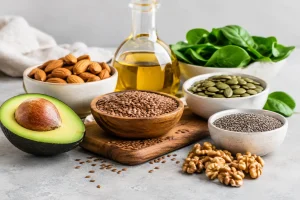
This is where food-first nutrition remains valuable. Brazil nuts, seafood, meats, beans, seeds, and whole grains can contribute these minerals, although amounts vary by food source and dietary pattern. If using a supplement, stay within appropriate daily intake levels unless your clinician recommends otherwise.
Alpha-lipoic acid
Alpha-lipoic acid is an antioxidant compound that can work in both water- and fat-containing environments. It also helps regenerate other antioxidants, including vitamins C and E, and can support normal energy metabolism.
Its versatility makes it appealing in comprehensive antioxidant formulas. Still, it may affect blood sugar levels, so people using glucose-lowering medication should seek professional guidance before adding it to a routine.
Artichoke and dandelion root
Botanicals such as artichoke leaf and dandelion root have a long history of use for digestive and bile support. Bile helps emulsify dietary fats and provides a route for the body to move certain compounds into the digestive tract.
These herbs can be useful when the goal is gentle digestive support alongside liver-focused nutrition. They are not appropriate for everyone, particularly people with known bile duct obstruction, gallbladder concerns, or unexplained upper abdominal symptoms. Persistent discomfort deserves medical evaluation rather than self-treatment.
How Fermentation Fits Into Liver Wellness
Liver health and digestive health are closely connected. The gut receives bile, processes dietary compounds, and houses a diverse microbial ecosystem that interacts with many aspects of metabolism. A diet rich in colorful plants and fermentable fibers can help nourish beneficial microbes while also delivering polyphenols and other antioxidant compounds.
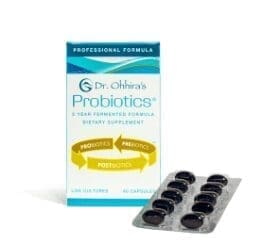
Fermented foods and fermentation-derived postbiotics offer another meaningful layer. Think of probiotics as skilled chefs, prebiotics as their ingredients, and postbiotics as the beneficial compounds created in the finished meal. These compounds can support a balanced intestinal environment, which is relevant because the gut and liver communicate continuously through what is often called the gut-liver axis.
This does not mean a probiotic or fermented supplement is a liver treatment. Rather, it can be part of a wider wellness strategy that supports digestive regularity, microbial balance, and the nutrient-rich foundation on which healthy liver function depends.
Choosing a Liver Support Formula With Care
A long ingredient panel does not automatically mean a better formula. Look for transparency about ingredient forms, standardized botanical extracts when appropriate, and dosages that are meaningful rather than decorative. Avoid formulas that promise dramatic detoxification, rapid weight changes, or a cure for liver disease. Responsible support is measured, not sensational.
It also helps to match the formula to your actual goal. Someone seeking antioxidant support may prioritize NAC, selenium, and alpha-lipoic acid. Someone focused on fat metabolism may look more closely at choline and foundational diet changes. For occasional digestive heaviness after rich meals, a bile-support botanical may be more relevant, provided there are no gallbladder concerns.
A practitioner can be especially helpful if you have elevated liver enzymes, fatty liver disease, hepatitis, a history of gallstones, diabetes, kidney disease, or regular medication use. The liver processes many medications, and even natural ingredients can change how a drug is absorbed or metabolized.
Build Support Around Daily Habits
The strongest liver-support plan is usually not a short-term protocol. It is a pattern of eating enough protein, choosing plants with a range of colors, emphasizing fiber, maintaining a weight that supports your health, and being intentional about alcohol and unnecessary medication use. Coffee, for those who tolerate it and have no reason to avoid it, has also been associated in research with favorable liver-health outcomes.
Choose top liver nutrients as informed additions to this foundation, not as a reason to ignore it. A consistent, well-nourished routine gives your liver something more useful than a dramatic cleanse: the steady resources it needs to keep serving you every day.