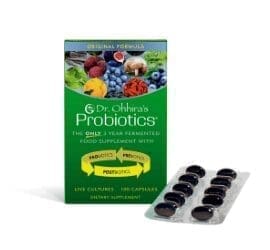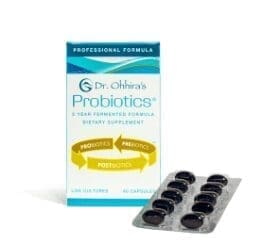
If you are asking, “Do probiotics make your poop smell?” a change in smell after starting a supplement does not necessarily mean the supplement caused it. Probiotics can cause gas, while stool odor can also change with your diet or a digestive condition. Smell alone cannot tell you whether a probiotic or postbiotic is working. [1,2]
Stool odor alone cannot diagnose dysbiosis, a term used to describe changes or disturbances in a microbial community. The more useful questions are whether the change persists and whether it comes with other symptoms.
Why stool smells and why it can change
Stool normally has an unpleasant smell. A stronger or unfamiliar odor can follow a change in diet, although unusually foul-smelling stool can also occur with infections or problems absorbing nutrients. [2]
Gas and stool smell are related bathroom concerns, but they are different observations. Bacteria in the large intestine break down carbohydrates that escape digestion earlier in the digestive tract, producing gas. Sulfur compounds can contribute to the odor of intestinal gas. [3]
For example, someone who begins a supplement while also eating more beans or other fiber-rich foods may notice more gas. That timing alone does not identify which change contributed. Looking at the whole routine is more informative than judging one bowel movement.
Probiotics and stool odor
Probiotics are live microorganisms that provide a health benefit when consumed in adequate amounts. Their effects depend on the microorganisms and the intended use; different products should not be assumed to have identical effects. [1]
The relationship between probiotics and stool odor varies with the circumstances. Smell is not a reliable way to choose a probiotic, measure its benefit, or decide that your gut needs more bacteria.
When considering stool changes after probiotics, pay attention to consistency, frequency, discomfort, and any other new symptoms. These details give a healthcare professional more useful information than smell alone.
Probiotics causing gas and other digestive concerns
If you are concerned about probiotics causing gas, this is a recognized possibility. The National Institutes of Health notes that probiotics may cause gas in healthy people. [1]
Check the complete ingredient list as well. A formula may contain added fiber or other fermentable carbohydrates, which can contribute to gas as intestinal bacteria break them down. [3]
Gas or other digestive symptoms do not prove that your body is “detoxing” or that a supplement is working. When considering possible probiotic side effects, avoid increasing the dose to chase a particular reaction. If symptoms are troublesome, ask a healthcare professional whether to pause the supplement.
Postbiotics and stool smell
Postbiotics differ from live probiotics. Under the International Scientific Association for Probiotics and Prebiotics (ISAPP) consensus definition, they are preparations of inactivated microorganisms and/or their components that provide a demonstrated health benefit. They may also contain compounds produced during fermentation. [4]
Microorganisms produce fermentation compounds, also called metabolites, as they consume nutrients. These compounds alone do not meet the ISAPP definition of a postbiotic. Because preparations differ, their effects should be evaluated individually. [4]
When considering postbiotics and stool smell, focus on the specific product and any accompanying symptoms. A change in odor alone does not establish a health benefit. A claim that a preparation reduces stool odor needs research on that preparation and that outcome.
What to do if you notice a change
If the change is mild and you otherwise feel well, note when it began, the product and dose, recent food changes, and any medicines or other supplements you take. Include whether stool has become loose, greasy, unusually pale, or difficult to pass.
Follow the product directions and avoid adding more supplements to correct the smell. If the change persists, recurs, or concerns you, discuss it with a healthcare professional. Do not assume a new digestive symptom is simply an adjustment period.
When to contact a healthcare professional
Arrange medical advice for persistent unusual odor, especially with unexplained weight loss, repeatedly pale stools, or greasy bowel movements. These changes can warrant evaluation beyond a supplement review. [2,5]
Get medical advice right away if you have any of the following: [5]
- Blood in stool or black and tarry stools
- Severe abdominal pain
- High fever or frequent vomiting
- Signs of dehydration, such as reduced urination or dizziness
- For adults, diarrhea lasting more than two days or six or more loose stools in a day
People who are seriously ill or have weakened immune systems should seek professional advice before using probiotics because their risks may be different. [1]
Bring the supplement label and your symptom notes to the conversation. They can help your healthcare professional assess whether the product, your diet, or another cause needs attention.
References
1. National Institutes of Health Office of Dietary Supplements. Probiotics Fact Sheet for Consumers.
https://ods.od.nih.gov/factsheets/Probiotics-Consumer
2. MedlinePlus. Stools foul smelling.
https://medlineplus.gov/ency/article/003132.htm
3. National Institute of Diabetes and Digestive and Kidney Diseases. Symptoms and Causes of Gas in the Digestive Tract.
https://www.niddk.nih.gov/health-information/digestive-diseases/gas-digestive-tract/symptoms-causes
4. Salminen S, et al. The ISAPP consensus statement on the definition and scope of postbiotics. Nature Reviews Gastroenterology and Hepatology. 2021;18:649–667. doi:10.1038/s41575-021-00440-6.
https://pubmed.ncbi.nlm.nih.gov/33948025
5. National Institute of Diabetes and Digestive and Kidney Diseases. Symptoms and Causes of Diarrhea.
https://www.niddk.nih.gov/health-information/digestive-diseases/diarrhea/symptoms-causes