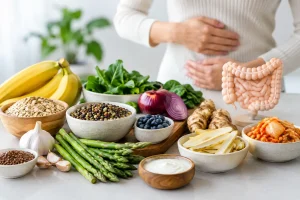
A bowl of oats, a slightly green banana, or a serving of lentils may look like ordinary food. To the microbes in your colon, each provides a different set of raw materials. So, which fiber feeds gut bacteria most effectively? The precise answer is not one single fiber. A diverse community of beneficial microbes thrives on a varied menu of fermentable fibers, each encouraging different organisms and different health-supporting compounds.
That distinction matters because fiber is not merely bulk for regularity. Certain fibers reach the large intestine largely intact, where resident bacteria transform them into postbiotic compounds. These include short-chain fatty acids such as butyrate, acetate, and propionate, which help support the intestinal environment and communicate with systems throughout the body.
Which Fiber Feeds Gut Bacteria Best?
Fermentable fiber is the broad answer. These carbohydrates resist digestion in the upper digestive tract and become food for microbes farther down the line. Yet fermentability exists on a spectrum. Some fibers are rapidly fermented, while others are broken down gradually. Some favor particular bacterial groups, and some are more likely to cause noticeable gas or bloating when introduced too quickly.
For that reason, the best fiber pattern is usually variety rather than a search for one “superior” ingredient. Think of probiotics as chefs, prebiotic fibers as their ingredients, and postbiotics as the useful meals produced through fermentation. A healthy kitchen needs more than one ingredient.
Resistant starch
Resistant starch is one of the most studied fibers for supporting beneficial microbial activity. As its name suggests, it resists digestion and travels to the colon, where it can be fermented. Its fermentation is often associated with butyrate production, a short-chain fatty acid that helps nourish colon cells and support a well-maintained gut barrier.
Foods that provide resistant starch include cooked and cooled potatoes or rice, oats, beans, lentils, and firmer, less-ripe bananas. Cooling cooked starches changes part of their structure, increasing the fraction that resists digestion. You do not need to build every meal around chilled foods, but rotating in overnight oats, bean salads, or cooled grain dishes can naturally add variety.
Inulin and fructans
Inulin and related fructans are prebiotic fibers found in foods such as onions, garlic, leeks, asparagus, Jerusalem artichokes, and chicory root. They are known for selectively encouraging certain beneficial bacteria, including bifidobacteria.
They can be valuable, but they are also highly fermentable. For people with sensitive digestion, irritable bowel syndrome, or a history of discomfort with garlic and onions, a large amount may lead to gas, pressure, or cramping. This does not automatically mean these fibers are harmful. It may simply mean the dose, timing, or form is not right for that individual.
Galacto-oligosaccharides and legumes
Galacto-oligosaccharides, often shortened to GOS, occur naturally in legumes. Chickpeas, lentils, black beans, and split peas offer a meaningful combination of fermentable carbohydrates, plant protein, minerals, and polyphenols.
Legumes are especially useful because their fibers do not all behave the same way. Their mix can support a more varied microbial ecosystem than an isolated fiber alone. If beans are new to your routine, begin with a small serving several times a week, rinse canned varieties thoroughly, and increase gradually as your digestive comfort allows.
Pectin from fruits and vegetables
Pectin is a soluble, fermentable fiber abundant in apples, citrus fruits, berries, carrots, and many other plant foods. It helps give jams their gel-like texture, but in the digestive tract, it offers microbes another useful substrate.
Pectin-rich foods are often a gentle entry point for people building a more fiber-conscious routine. Whole fruit also brings water, natural plant compounds, and a satisfying texture. An apple with its skin, berries stirred into oats, or citrus segments with a meal can contribute to the daily fiber picture without relying on a dramatic dietary overhaul.
Beta-glucans and cereal fibers
Oats and barley contain beta-glucans, soluble fibers valued for both digestive and cardiovascular wellness. These fibers can be fermented by gut microbes and may also influence the thickness and viscosity of digestive contents, which changes how quickly nutrients move through the system.
Whole grains also supply other fibers, including arabinoxylans in wheat, rye, and certain grains. The key is to choose foods that retain their natural structure whenever possible. A bowl of intact oats or a side of barley generally brings a more complex fiber package than a highly refined grain product.
Why Microbial Diversity Changes the Answer
Your microbiome is personal. Two people can eat the same high-fiber meal and have different microbial responses, digestive sensations, and bowel habits. Current diet, medication use, stress, sleep, age, travel, and long-term eating patterns all influence the ecosystem.
This is why a food that is praised as a prebiotic may not feel ideal for everyone immediately. Rapid fermentation can be beneficial from a microbial standpoint while still producing uncomfortable symptoms in a person whose gut is adapting. More is not always better. Consistency, diversity, and tolerance are more useful guides than chasing the highest possible fiber dose overnight.
It is also helpful to distinguish prebiotics from probiotics and postbiotics. Prebiotic fibers are food for microbes. Probiotics are live microorganisms that may provide benefits when consumed in adequate amounts. Postbiotics are beneficial compounds produced during microbial fermentation. A complete microbiome-conscious approach considers all three, along with the broader quality of the diet.
How to Feed Gut Bacteria Without Overwhelming Your System
Start by looking at the plants already on your plate. If breakfast is usually low in fiber, add oats, berries, chia, or a side of fruit. If lunch and dinner rely heavily on refined grains, experiment with lentils, beans, barley, brown rice, or cooled potato salads. Small changes are more likely to become lasting habits.
Aim to include several fiber families across the week rather than repeating one concentrated source every day. For example, oats may appear at breakfast, a lentil soup at lunch, apples or citrus as snacks, and roasted asparagus or onions alongside dinner. This pattern gives a wider range of microbes something to work with.
Adequate fluids matter, particularly as total fiber intake rises. Fiber and hydration work together to support comfortable movement through the digestive tract. Gentle activity, regular meals, and sufficient sleep also influence digestive rhythms and the microbial environment.
If you use a fiber supplement, introduce it thoughtfully. Supplements can be practical, especially when dietary intake is low, but they do not replace the nutritional complexity of whole plants. A single isolated fiber may be appropriate for a specific goal, while a varied food-first pattern better reflects what a diverse microbiome encounters in nature.
People with ongoing abdominal pain, unexplained changes in bowel habits, inflammatory digestive conditions, or medically prescribed dietary restrictions should seek individualized guidance from a qualified health professional. A gradual approach is especially wise for anyone following a low-FODMAP plan or reintroducing fermentable foods after a period of digestive sensitivity.
Fermentation Extends the Benefits Beyond Fiber
Fiber supplies the ingredients, but fermentation is where much of the microbiome story becomes especially interesting. When beneficial bacteria ferment prebiotic fibers, they create metabolites that help shape the intestinal environment. These postbiotic compounds are one reason digestive wellness is connected to broader goals involving immune resilience, metabolic balance, and even skin health.
Dr. Ohhira’s Probiotics® reflects this whole-ecosystem perspective through a long-term fermentation process that combines plant-based ingredients, lactic-acid bacteria, and fermentation-derived metabolites. While no supplement can substitute for a fiber-rich eating pattern, a thoughtful probiotic and postbiotic strategy can complement the daily food choices that nourish your inner ecosystem.
The most helpful next step is often the least dramatic: choose one plant food you enjoy, eat it consistently, and notice how your body responds. Then add another. Your gut bacteria do not need perfection. They need a steady, varied supply of the foods that help them do their work.