A fermented food can contain far more than the microbes listed on a label. During fermentation, beneficial bacteria transform plant ingredients into an evolving matrix of organic acids, peptides, enzymes, vitamins, and other compounds. That is why postbiotic research trends are drawing attention: scientists are looking beyond whether microbes are alive and asking what their fermentation activity leaves behind for the body to use.
For health-conscious adults, this shift is meaningful. A strong microbiome-support routine is not simply about adding more bacteria. It is about supplying the full ecosystem: prebiotics as the ingredients, probiotics as the chefs, and postbiotic compounds as the health-supporting meals created through their work. Research is becoming more precise about how that ecosystem may influence digestive comfort, immune communication, skin ecology, and healthy aging.
Postbiotic Research Trends Are Becoming More Precise
One of the most important developments is definitional clarity. In scientific literature, a postbiotic is generally understood as a preparation of inanimate microorganisms and/or their components that provides a health benefit. This definition matters because it distinguishes a carefully characterized postbiotic preparation from a vague claim that any fermented ingredient, bacterial fragment, or isolated metabolite is automatically a postbiotic.
At the same time, consumer interest often centers on the helpful compounds produced during fermentation. These include short-chain fatty acids, organic acids, polysaccharides, peptides, and antioxidant compounds. Researchers are studying both the inactivated microbial cells and the broader fermentation-derived matrix because each may contribute to biological activity in different ways.
The practical lesson is simple: the word postbiotic should not be treated as a shortcut for quality. The organism or organisms used, the ingredients fermented, the fermentation conditions, the length of the process, and the final preparation all shape what is present. Two products described with similar language may have very different compositions and research support.
From Strain Names to Whole Fermentation Systems
Earlier microbiome conversations often focused on identifying a single probiotic strain. That work remains valuable, particularly when a strain has been studied for a specific outcome. But a growing area of postbiotic research examines what happens when microbes work within a complex food-based fermentation system.
In a traditional, multi-ingredient fermentation, bacteria do not operate in isolation. They interact with fibers, polyphenols, sugars, and micronutrients from the botanical ingredients. Over time, those interactions can generate a diverse collection of metabolites. This is closer to the way fermented foods have supported human diets across cultures for generations.
That does not mean longer fermentation is always better by definition. It means the process deserves attention. A multi-year fermentation period, temperature controls, microbial succession, ingredient quality, and testing standards can all affect the finished matrix. For consumers evaluating fermented wellness products, process transparency may be as informative as a front-label claim.
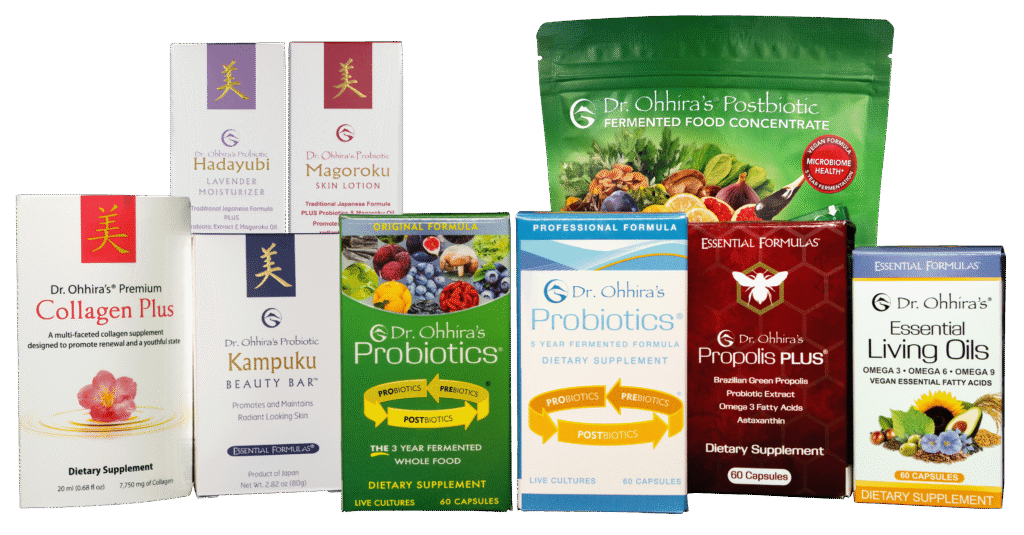
Dr. Ohhira’s Probiotics reflects this whole-food perspective through a multi-year fermentation of fruits, vegetables, mushrooms, seaweed, pure water, and lactic-acid bacteria. The approach recognizes that the health story is not limited to live cultures. It also includes the naturally occurring fermentation compounds created throughout the process.
Clinical Research Is Moving Toward Specific Outcomes
Another encouraging trend is the move away from broad claims toward defined, measurable outcomes. Researchers are increasingly designing human studies around questions such as whether a particular preparation supports regularity, occasional digestive comfort, gut barrier function, immune response, or skin hydration.
This is a welcome change, but it also calls for patience. The microbiome is highly individual. Diet, sleep, medication use, stress, age, activity, and existing digestive health can affect how a person responds. A result in one group does not guarantee the same outcome for every person, or for every postbiotic preparation.
The most useful studies identify the preparation clearly, describe how it was made, use an appropriate comparison group, and measure outcomes that matter to people. Laboratory and animal research can help reveal possible mechanisms, but human clinical trials remain the most relevant evidence for consumer decisions.
Gut barrier and immune signaling remain key areas
The intestinal lining is not simply a passive tube. It is an active interface between the outside world, the microbiome, and the immune system. Certain microbial components and fermentation metabolites may interact with intestinal cells and immune receptors, helping support normal barrier and immune functions.
This area is especially compelling because digestive and immune wellness are connected. When the gut environment is well supported, the body is better positioned to maintain balanced communication between food, microbes, and immune defenses. Still, responsible language matters. Dietary supplements can support normal body functions, but they are not substitutes for medical care or treatments for disease.
Skin Research Is Extending the Microbiome Conversation
Postbiotic research is also reaching beyond the digestive tract. The skin has its own microbial ecosystem, and its condition is influenced by barrier integrity, hydration, environmental exposure, and immune activity. Researchers are investigating whether postbiotic ingredients can support a balanced skin environment when used topically and whether gut-focused wellness practices may relate to skin appearance through the gut-skin connection.
This does not turn every skin concern into a microbiome problem. Genetics, sun exposure, cleansing routines, hormones, and topical ingredients all matter. Yet the growing interest in skin ecology offers a more complete view of wellness: the body’s outer barrier and inner microbial communities are both part of the same living system.
For those selecting microbiome-conscious skin care, the emerging research supports a thoughtful approach. Look for formulas designed to respect the skin barrier rather than aggressively stripping it, and introduce new products one at a time so you can observe how your skin responds.
Better Measurement Is Changing the Questions Scientists Can Ask
Modern tools are helping researchers look beyond which microbes are present. Metabolomics can measure small molecules produced in a fermentation or within the body. Genetic sequencing can identify microbial patterns. Proteomics can examine proteins involved in biological activity. Together, these tools may help connect a specific fermentation process to a measurable composition and, eventually, to a defined wellness outcome.
This is promising, but more data does not automatically equal more certainty. Microbiome data can be difficult to interpret, and a statistically significant change is not always a meaningful health improvement. The strongest research will pair advanced measurements with real-world markers such as digestive comfort, bowel habits, skin moisture, or immune response.
Stability and Accessibility Are Part of the Appeal
Live probiotics can be valuable, but they may require careful handling to preserve viability through storage and digestion. Postbiotic preparations are attracting interest in part because inactivated microbial preparations and fermentation-derived compounds can be more stable in certain formats.
Stability is not the same as superiority. It is one practical advantage that may make postbiotic ingredients useful in supplements, foods, and topical formulas. The right choice depends on the health goal, the evidence behind the formula, the delivery format, and an individual’s tolerance.
For some people, a live probiotic is appropriate. For others, a fermented whole-food preparation that includes both microbial activity and its resulting compounds may better fit their daily routine. These approaches are not necessarily competitors. They can be complementary parts of a microbiome-aware wellness plan.
What to Look for as Research Evolves
As postbiotic language becomes more common, informed consumers can stay grounded by asking a few practical questions. Is the ingredient or preparation clearly identified? Does the company explain its fermentation process? Are benefits connected to the actual finished formula rather than to postbiotics as a broad category? And does the product fit the individual’s needs, diet, and practitioner guidance?
Be cautious of claims that suggest one compound can solve every digestive, immune, or skin concern. Microbiome health responds best to consistent foundations: a varied plant-rich diet, adequate fiber and hydration, restorative sleep, movement, stress support, and well-chosen supplements when appropriate.
The future of postbiotic science is likely to be less about a single miracle ingredient and more about understanding the intelligent work of fermentation. Choosing formulas with a transparent process and a clear purpose gives you a practical way to let that science support your daily health goals.