Omega nutrition is often reduced to a simple instruction: eat more healthy fats. But the details matter, particularly when your diet is plant-forward. This plant based omega guide clarifies which omega fatty acids your body needs, why conversion can be limited, and how to create a dependable daily approach without relying on fish.
For many adults, omega intake becomes more relevant with age. Dietary patterns, changing activity levels, cardiovascular priorities, skin hydration, and the body’s natural inflammatory response can all shape how intentional you want to be about essential fats. The goal is not to chase a single nutrient in isolation. It is to support a well-nourished foundation for whole-body wellness.
Plant Based Omega Guide: Know the Three Key Fats
The omega-3 family includes alpha-linolenic acid (ALA), eicosapentaenoic acid (EPA), and docosahexaenoic acid (DHA). All three have a place in nutrition, but they do not function identically.
ALA is the essential omega-3 fatty acid found in many plant foods. “Essential” means the body cannot make it, so it must come from food or supplementation. Flaxseed, chia seeds, hemp seeds, walnuts, and their oils are familiar ALA sources. ALA supports a healthy dietary fat balance and serves as the starting material from which the body can produce EPA and DHA.
EPA and DHA are longer-chain omega-3s. EPA is closely studied for its role in cardiovascular health and the body’s balanced inflammatory signaling. DHA is an important structural fat in the brain, nervous system, and eyes. These fats are often associated with fish because fish accumulate them through marine food chains. Their original source, however, is microalgae.
That distinction matters for people looking for a truly plant-based or vegan option. Algae-derived omega-3 supplements provide preformed EPA, DHA, or both, without fish-derived ingredients. They offer a direct way to include these longer-chain omega-3 fats in a plant-centered wellness routine.
Why ALA Alone May Not Cover Every Need
Your body can convert some ALA into EPA and DHA, but the conversion is generally limited and varies from person to person. Genetics, life stage, overall nutrient status, dietary patterns, and the amount of omega-6 fat consumed may all influence this process.
This does not make flax, chia, or walnuts less valuable. These are nutrient-dense foods that contribute fiber, minerals, polyphenols, and beneficial fats. The practical question is whether an ALA-rich diet alone reliably provides the amount of EPA and DHA you want for your personal health goals.
For a person who regularly eats a wide variety of whole plant foods and is focused on general nutrition, prioritizing ALA sources may be a sensible first step. For someone who eats no fish or seafood, has specific cardiovascular or cognitive wellness priorities, or simply wants more certainty around long-chain omega-3 intake, an algae-based EPA and DHA supplement can be a thoughtful addition.
It depends on the individual. A food-first approach and targeted supplementation are not opposing strategies. They can work together.
Build Your Omega Routine Around Real Foods
A plant-based omega strategy works best when it is consistent, enjoyable, and connected to meals you already eat. Instead of treating omega intake as a once-in-a-while health project, create small habits that fit naturally into breakfast, lunch, and dinner.
Aim to rotate several ALA-rich foods throughout the week:
- Ground flaxseed can be stirred into oatmeal, yogurt alternatives, smoothies, or baked foods.
- Chia seeds make an easy addition to pudding, cereal, and overnight oats.
- Hemp hearts bring a mild, nutty texture to salads, grain bowls, and soups.
- Walnuts pair well with fruit, roasted vegetables, and hearty leafy-green salads.
Ground flaxseed is generally more accessible than whole flaxseed because its outer structure is easier to break down. Chia absorbs liquid and can be especially useful for people who enjoy a thicker texture in breakfast foods. Walnut and hemp oils can contribute variety, but they are more delicate than many cooking oils. Store them away from heat and light, and use them in dressings or finish dishes rather than high-heat cooking.
Plant foods also bring another advantage: they help build a broader dietary ecosystem. Fiber-rich meals help nourish the beneficial organisms that live in the digestive tract. Those microbes transform certain dietary compounds into metabolites that can contribute to the body’s wellness environment. Omega fats do not replace the benefits of prebiotic fibers, probiotic foods, or fermentation-derived postbiotics. Rather, each is part of a more complete daily pattern.
Choose an Algae-Based Omega Supplement With Care
When food alone may not provide the EPA and DHA you seek, algae-based omega supplements offer a direct, plant-based solution. Yet not all labels answer the same questions, so it helps to know what to look for.
First, check the amounts of EPA and DHA rather than relying only on a large “omega-3” number on the front label. A formula may contain DHA alone, EPA alone, or a combination. DHA-only options can be appropriate for certain needs, while a combined formula may better suit people looking for broader daily omega-3 support.
Next, consider the ingredient standard. A well-designed formula should clearly identify its algae source and provide transparent serving information. For people following a strict vegan lifestyle, verify the capsule itself is plant-based. If you have sensitivities, review the full ingredient panel for flavorings, fillers, or oils that do not align with your needs.
Freshness deserves attention, too. Omega oils are vulnerable to oxidation when exposed to light, heat, and air. Choose products packaged to protect the oil, observe storage instructions, and do not use a supplement that has developed a noticeably unpleasant or rancid odor. Storing omega products as directed is a practical part of protecting quality.
Finally, think beyond the label. Supplements work best as part of a routine that includes nutrient-dense foods, adequate protein, colorful produce, hydration, restorative sleep, and regular movement. A capsule can fill a meaningful nutritional gap, but it is not a substitute for the dietary patterns that influence long-term wellness.
Balance Omega-3 Intake With Your Overall Fat Pattern
The conversation around omega-6 fats is often oversimplified. Omega-6 fatty acids are essential, too, and they play necessary roles in human physiology. The concern is not that omega-6 is inherently harmful. It is that a modern diet heavy in highly processed foods can make it easy to consume abundant omega-6-rich refined oils while missing omega-3-rich whole foods.
A more useful approach is to shift your pattern gradually. Make room for flax, chia, hemp, walnuts, avocado, olives, and other minimally processed sources of nourishing fats. Use cooking oils appropriate to the cooking method, and limit reliance on heavily fried or ultra-processed foods when possible. This supports dietary balance without turning meals into a rigid calculation.
If you take medications that affect blood clotting, are preparing for surgery, are pregnant or nursing, or are managing a medical condition, speak with a qualified health care professional before beginning an omega supplement. Personal guidance is especially valuable when supplements are part of a more complex wellness plan.
Make Consistency Easier Than Perfection
The most effective omega routine is the one you can continue. Keep ground flaxseed where you will see it at breakfast. Add walnuts to a weekly grocery list. Take an algae-based supplement with a meal if that helps you remember and supports comfortable digestion. Small choices, repeated regularly, often matter more than an occasional perfect day of eating.
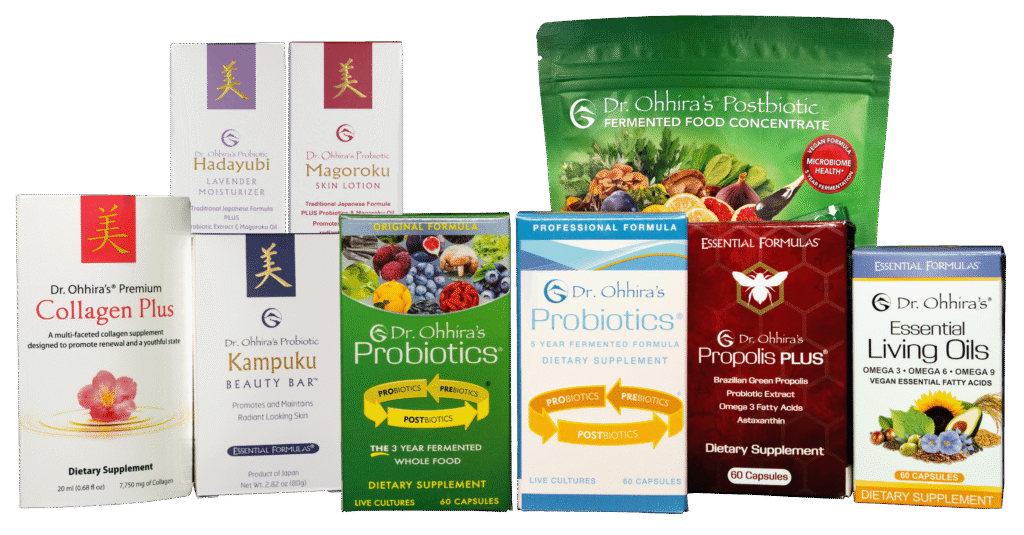
At Essential Formulas, we view daily wellness as an interconnected practice: nourishing the digestive ecosystem, respecting the intelligence of whole-food ingredients, and choosing targeted support when it serves your health goals. Let your omega choices be one more way to care for that foundation, with clarity rather than complication.