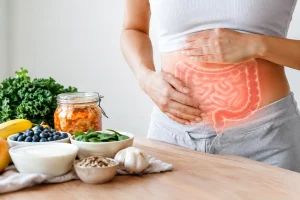
A comfortable, regular digestive rhythm is not built by one “gut health” ingredient. Digestive health nutrients work as a connected system: they feed beneficial microbes, support the intestinal barrier, help regulate movement through the digestive tract, and supply compounds produced through fermentation. When that system is well nourished, it can support far more than day-to-day comfort. It can influence immune readiness, nutrient absorption, energy, and even the condition of the skin.
For adults who are already thoughtful about wellness, the question is not simply whether to take a probiotic or eat more fiber. It is how to create the conditions in which the microbiome and digestive system can do their best work.
What digestive health nutrients actually do
The digestive tract is both a processing center and a living ecosystem. Food must be broken down, nutrients absorbed, and unwanted material moved along efficiently. At the same time, trillions of microorganisms interact with the foods and compounds that reach the colon.
This is why a narrow approach can disappoint. A probiotic may be useful, but it cannot replace a fiber-poor diet. Fiber can nourish microbes, but some people need to increase it gradually to avoid uncomfortable gas or bloating. Fermented foods offer valuable variety, yet their effects depend on the food, the serving size, and the individual.
A helpful way to understand digestive support is to think of probiotics as chefs, prebiotics as their ingredients, and postbiotics as the beneficial meals they prepare. Each has a distinct role, and the full ecosystem matters.
The essential digestive health nutrients
Fiber: the daily foundation
Dietary fiber is one of the most practical tools for supporting regularity and microbial diversity. Soluble fiber absorbs water and forms a gel-like texture that can support comfortable stool consistency. Insoluble fiber adds bulk and can help promote movement through the digestive tract.
Just as importantly, certain fermentable fibers become fuel for beneficial gut microbes. As microbes use these compounds, they can create short-chain fatty acids and other metabolites that help support the intestinal environment.
Plant foods provide different fiber types, so variety matters. Beans, lentils, oats, chia, ground flax, berries, leafy greens, apples, artichokes, onions, and cooled potatoes or rice can all contribute. If your current intake is low, increasing fiber slowly and drinking adequate fluids is often more comfortable than making a dramatic change overnight.
Prebiotics: targeted nourishment for beneficial microbes
Prebiotics are compounds that beneficial microorganisms can selectively use. Many are fibers, including inulin, fructooligosaccharides, and resistant starch. They are found naturally in foods such as garlic, leeks, asparagus, onions, bananas, oats, legumes, and cooked-and-cooled starches.
Prebiotic-rich foods can be especially useful when a diet has become overly processed or low in plant diversity. However, they are not universally comfortable at high amounts. People with sensitive digestion may respond better to smaller portions, a slower increase, or a broader mix of gentle fiber sources rather than concentrated prebiotic ingredients.
Probiotics: living microorganisms with specific functions
Probiotics are live microorganisms that, when consumed in appropriate amounts, may support health. Their value is not simply that they are alive. Benefits can be strain-specific, dose-dependent, and shaped by the food matrix or supplement formulation.
Yogurt with live cultures, kefir, traditionally fermented vegetables, and certain cultured beverages may contribute live microorganisms to the diet. A quality probiotic supplement can offer a more consistent and targeted option, particularly for people who do not regularly eat fermented foods.
Look beyond a large colony-forming-unit number. The organism, the manufacturing quality, stability through shelf life, and the purpose of the formula are all meaningful considerations. A well-designed product should explain what it contains and why.
Postbiotics: beneficial compounds created through fermentation
Postbiotics are health-supporting compounds generated when beneficial microorganisms ferment nutrient-rich ingredients. They can include organic acids, peptides, enzymes, polysaccharides, and other metabolites. These compounds help explain why fermentation is more than a preservation method.
Unlike a formula focused only on live cultures, a whole-food fermentation can provide both microbial activity and a broad range of fermentation-derived compounds. Dr. Ohhira’s Probiotics® reflects this full-spectrum approach, using fruits, vegetables, mushrooms, seaweed, pure water, and lactic-acid bacteria in a traditional multi-year fermentation process.
Postbiotic support can be particularly appealing for people who want the benefits of a mature fermented food ecosystem, not merely a short list of bacterial species. The quality of the fermentation, ingredients, and time allowed for transformation all shape the final result.
Polyphenols: plant compounds with microbiome value
The deep colors and distinctive flavors in plant foods often signal polyphenols. These naturally occurring compounds are found in berries, pomegranates, grapes, olives, cocoa, green tea, herbs, spices, and colorful vegetables.
Polyphenols have an interesting two-way relationship with the gut microbiome. Gut microbes help transform many polyphenols into smaller metabolites the body can use, while polyphenol-rich foods can help encourage a favorable microbial environment. That makes a cup of unsweetened tea, a serving of berries, or herbs added generously to a meal more than a culinary detail.
Protein, healthy fats, and micronutrients
Digestive wellness also depends on nutrients that are not usually marketed as “gut supplements.” Adequate protein supports the maintenance of body tissues, including the digestive tract. Plant-based omega fatty acids from flax, chia, hemp, and walnuts can be part of a balanced, anti-inflammatory dietary pattern.
Micronutrients matter too. Magnesium supports normal muscle function, including the muscles involved in bowel movement. Zinc, vitamin A, vitamin D, and several B vitamins contribute to normal immune and tissue functions. Individual needs vary, and supplementation should be based on dietary gaps, health status, and professional guidance when appropriate.
How to build a digestion-supportive day
The most effective routine is often one that feels realistic enough to repeat. Start by making plant diversity visible on the plate. A breakfast of oats with berries and ground flax, a lunch with beans and vegetables, and a dinner that includes greens, herbs, and a whole grain can provide several categories of microbiome-supporting compounds without making food feel clinical.
Then consider fermentation as a regular practice rather than a rescue strategy. A serving of cultured food or a thoughtfully formulated fermented supplement may fit well into a daily routine. Consistency gives the digestive ecosystem more opportunity to respond than occasional, high-intensity efforts.
Hydration, movement, and meal timing belong in this picture as well. Fiber needs fluid to do its job comfortably. A walk after meals can support normal motility. Eating at a pace that allows for chewing and avoiding chronically rushed meals may reduce the swallowed air and digestive strain that can contribute to discomfort.
When more is not always better
Digestive symptoms deserve context. Sudden or persistent changes in bowel habits, unexplained weight loss, blood in stool, severe pain, trouble swallowing, or ongoing vomiting warrant prompt medical evaluation. Supplements should not be used to delay needed care.
Even with ordinary digestive sensitivity, a gradual approach is wise. Introduce one major change at a time, especially if you are adding fiber, fermented foods, or a probiotic formula. This makes it easier to notice what supports you and what may need adjustment.
People with diagnosed digestive conditions, significant immune compromise, or medication regimens should discuss supplement choices with a qualified health care professional. Personalized care is especially valuable when digestive and immune concerns overlap.
A more complete way to nourish the gut
The goal is not to chase a perfect microbiome or eliminate every digestive fluctuation. It is to provide steady, varied nourishment that supports a resilient digestive environment over time. Fiber feeds the system. Probiotics introduce helpful living allies. Postbiotics deliver the beneficial output of fermentation. Polyphenols and essential nutrients help create the broader conditions for whole-body wellness.
Choose one practical upgrade this week: add a new fiber-rich plant to a familiar meal, rotate in a colorful polyphenol-rich food, or establish a consistent fermentation ritual. Small, repeatable choices give digestive health nutrients the time and context to make a meaningful difference.