A long flight, a desk-bound afternoon, or the familiar feeling of heavy legs at day’s end can make circulation suddenly feel personal. Searching for the best supplements for healthy circulation is understandable, but the most useful answer is not a single miracle ingredient. Healthy blood flow relies on the condition of blood vessels, heart function, movement, hydration, metabolic health, and the nutrients that help support each of those systems.
Supplements can complement these foundations, particularly when they are selected for a specific purpose and used consistently. They are not a substitute for medical care, prescribed medication, or the everyday habits that keep the circulatory system responsive. The goal is informed support: choosing ingredients with a credible role in vascular wellness while paying close attention to quality, dose, and individual considerations.
What the Best Supplements for Healthy Circulation Have in Common
The strongest circulation-support formulas tend to work through one or more of three pathways. They may help support endothelial function, the ability of the delicate inner lining of blood vessels to respond appropriately. They may provide antioxidant protection for vessels and lipids. Or they may support comfortable blood flow and fluid balance in the legs.
That distinction matters because circulation is not one health objective. Someone looking to support cardiovascular wellness may prioritize omega-3 fatty acids or cocoa flavanols. Someone who spends hours sitting may be more interested in movement, hydration, and botanical support for leg comfort. The best choice depends on what healthy circulation means in the context of your own routine and health history.
Plant-based omega-3 fatty acids for vascular foundations
Omega-3 fats are among the best-studied nutrients for cardiovascular health. EPA and DHA, found primarily in marine sources, support normal heart and blood vessel function and help maintain triglycerides already within a healthy range. Plant-based alpha-linolenic acid, or ALA, is another valuable omega-3 fatty acid, found in foods and supplements made from flaxseed, chia, and certain algae-forward blends.
The body converts only a limited amount of ALA into EPA and DHA, so the ideal form depends on your diet and goals. Still, a clean, plant-based omega supplement can be a practical way to support overall fatty acid balance, especially for adults whose daily meals are light on omega-rich foods. Look for a clearly stated fatty acid profile and an oil protected from oxidation.
Beetroot and dietary nitrates for nitric oxide support
Beetroot is valued for naturally occurring dietary nitrates. In the body, these compounds can be converted through a multi-step process into nitric oxide, a signaling molecule that helps blood vessels relax and respond to changing demands. This is why beetroot powders and extracts are often used by active adults as well as those focused on everyday vascular support.
The effect depends on the product’s nitrate content, your oral microbiome, and individual physiology. Interestingly, frequent use of strong antiseptic mouthwash may interfere with the oral bacteria involved in nitrate conversion. A beetroot supplement is not a reason to skip vegetables, but it can be a convenient complement to a plant-rich eating pattern.
Cocoa flavanols and antioxidant-rich polyphenols
Cocoa flavanols have been studied for their ability to support endothelial function and healthy blood flow. The relevant compounds are flavanols, not simply cocoa flavor or added chocolate. A highly sweetened chocolate product may contain some cocoa but still be a poor choice for daily cardiovascular support.
Other colorful plant compounds, including those from berries, grapes, and pomegranate, contribute polyphenols that help protect against oxidative stress. These ingredients are not interchangeable, and research varies by extract, dose, and preparation. A standardized supplement offers more consistency than relying on a vague fruit-powder blend, while whole fruits continue to provide fiber and a wider nutritional matrix.
Garlic for cardiovascular wellness
Aged garlic extract is another well-known option in circulation conversations. Garlic contains sulfur compounds that have been researched for heart and vascular health, including support for normal blood pressure already in the healthy range. Aged preparations are often preferred because their compounds are more stable and may be gentler for people who find raw garlic difficult to tolerate.
Garlic can influence blood clotting, however. Anyone taking anticoagulant or antiplatelet medication, preparing for surgery, or managing a bleeding disorder should speak with a qualified clinician before using concentrated garlic supplements. Natural does not mean consequence-free, particularly when an ingredient has a meaningful biological effect.
Horse chestnut for occasional heavy-leg comfort
For adults seeking support for the feeling of tired, heavy legs, horse chestnut seed extract is one botanical with a long history of use and some clinical research. Standardized extracts provide aescin, a compound studied for venous function and leg comfort. Product quality is essential: raw horse chestnut is not safe for consumption, and only properly processed, standardized supplements should be considered.
This is also a category where persistent symptoms deserve professional evaluation. New one-sided swelling, pain, warmth, skin discoloration, shortness of breath, or chest pain requires prompt medical attention. Supplements are appropriate for wellness support, not for self-managing potentially urgent symptoms.
The Microbiome Connection to Circulation Support
Circulation is often discussed as though it exists apart from digestion, but the systems communicate constantly. The gut microbiome helps process dietary fibers and plant compounds into metabolites that can influence inflammation, antioxidant status, and metabolic signaling. A diverse, fiber-rich diet therefore supports more than digestive regularity.
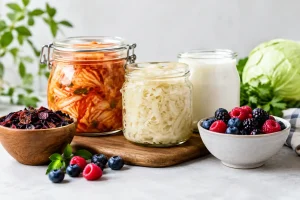
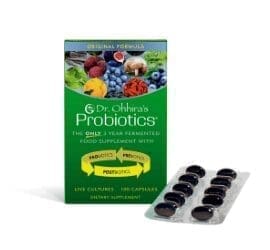
Fermented foods and thoughtfully designed probiotic or postbiotic supplements may fit into a broader cardiovascular wellness routine, although they should not be marketed as direct treatments for circulatory conditions. Think of probiotics as chefs, prebiotics as their ingredients, and postbiotics as the beneficial meals created through fermentation. The full ecosystem may help support a balanced internal environment in which whole-body wellness can thrive.
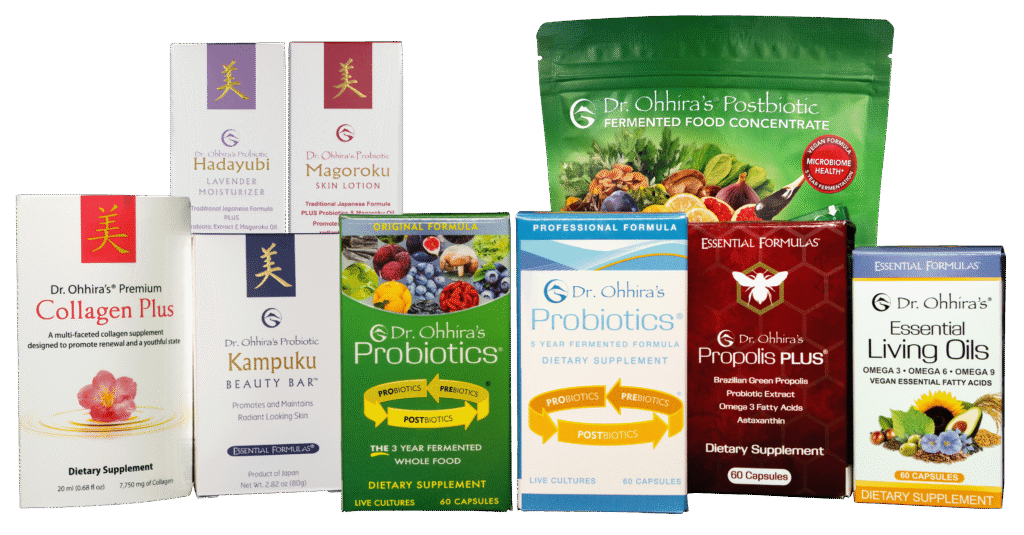
This is the Dr. Ohhira’s Advantage: a whole-food fermentation tradition that emphasizes not only live lactic-acid bacteria but also the fermentation-derived postbiotic metabolites created over time. For people building a foundational wellness plan, digestive and microbiome support can complement, rather than replace, targeted nutrition for the heart and blood vessels.
How to Choose a Circulation Supplement Wisely
Start by identifying the outcome you want to support. For broad cardiovascular nutrition, omega-3s and polyphenol-rich ingredients may be appropriate considerations. For nitric oxide pathways and active performance, beetroot may be more relevant. For occasional leg heaviness, a standardized botanical may make more sense, provided it is suitable for your health history.
Then examine the label with a critical eye. Prefer supplements that name the active ingredient and its amount, rather than hiding everything in a proprietary blend. Standardization matters for botanicals, as does testing for purity and contaminant control. Avoid formulas that make sweeping promises about clearing arteries, dissolving clots, or curing poor circulation. Those claims are a warning sign, not a sign of quality.
Medication interactions should be part of the decision, not an afterthought. This is especially true if you use blood thinners, blood-pressure medication, diabetes medication, or have a history of cardiovascular disease. A pharmacist, physician, or integrative practitioner can help you evaluate whether a supplement fits safely into your plan.
Build the Habits That Keep Blood Moving
No capsule can reproduce the circulatory effect of regular movement. A brief walk after meals, calf raises while waiting for coffee, and changing position during long work sessions all encourage muscular pumping in the legs. Resistance training and aerobic activity each offer different benefits, so a routine that includes both is often more sustainable than relying on one style of exercise.
Hydration, adequate sleep, and meals centered on vegetables, legumes, fruits, nuts, seeds, and minimally processed proteins provide the nutritional context supplements need. Smoking cessation and blood pressure management are equally significant for vascular health. The most effective supplement plan is usually the one that supports these daily choices rather than distracting from them.
Choose one or two well-matched ingredients, give them enough time to become part of your routine, and pay attention to how your body responds. Healthy circulation is not a quick fix. It is a daily expression of nourishment, movement, and thoughtful support.