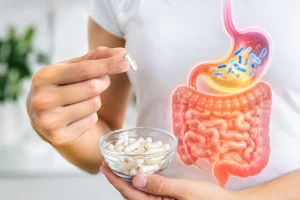
Your intestinal lining is only one cell thick in many areas, yet it performs an extraordinary job: allowing nutrients and water into circulation while helping keep unwanted compounds on the intestinal side. The best foods for gut barrier health do not act as a quick fix. Instead, they provide the fibers, phytonutrients, fats, and fermentation-derived compounds that help nourish the microbiome and support the lining’s normal protective function over time.
This matters because the gut barrier is not simply a wall. It is a living interface shaped by intestinal cells, a protective mucus layer, immune activity, and trillions of resident microorganisms. When daily meals repeatedly lack plant diversity and fiber, or rely heavily on ultra-processed foods, the ecology of this interface can shift. A food-first approach gives your body useful raw materials while supporting the beneficial microbial activity that helps maintain digestive and whole-body wellness.
What Foods Do for the Gut Barrier
Beneficial gut microbes ferment certain dietary fibers into short-chain fatty acids, including butyrate. Butyrate is a preferred fuel source for cells in the colon and is associated with a healthy intestinal environment. Other plant compounds, especially polyphenols, interact with gut microbes in ways that may encourage a more favorable microbial balance.
It helps to think of the process as a working kitchen. Prebiotics are the ingredients, probiotics are the chefs, and postbiotics are the beneficial meals produced through microbial fermentation. No single food handles every part of the job. The most effective eating pattern is varied, consistent, and realistic enough to sustain.
Best Foods for Gut Barrier Support
Colorful berries, grapes, and deeply colored fruit
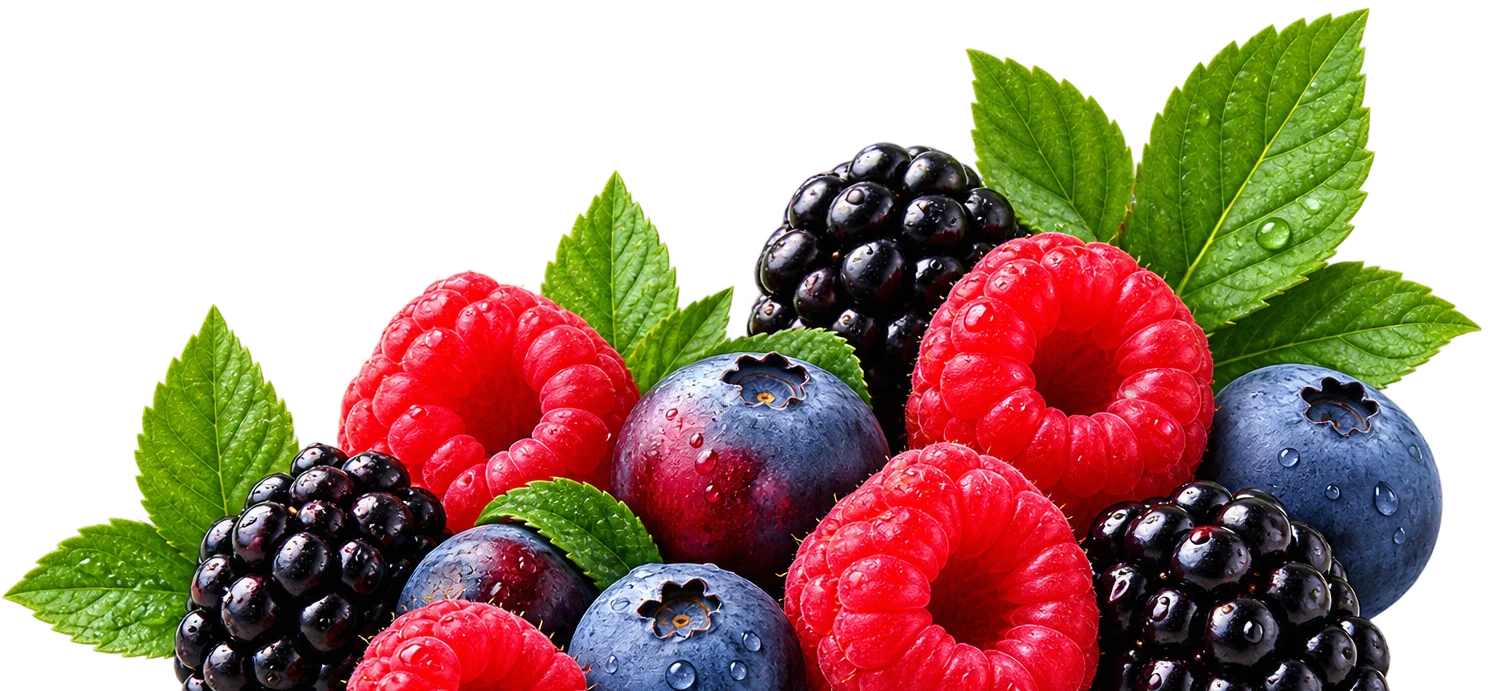
Blueberries, blackberries, raspberries, red grapes, cherries, and pomegranate provide polyphenols, the naturally occurring plant compounds responsible for many rich red, blue, and purple hues. Much of what you consume reaches the large intestine, where gut microbes can transform these compounds into smaller metabolites.
Choose whole fruit more often than juice to receive the naturally occurring fiber along with the polyphenols. Frozen berries are equally practical and can be stirred into plain yogurt, chia pudding, or a morning smoothie. If fruit is new to a higher-fiber routine, begin with a modest serving and increase gradually.
Beans, lentils, and chickpeas
Legumes are among the most valuable foods for feeding beneficial microbes. Their mix of soluble fiber, resistant starch, and other fermentable carbohydrates supports the production of short-chain fatty acids. They also offer plant protein, minerals, and a satisfying texture that can make fiber-forward meals more substantial.
A half cup of lentils in soup or chickpeas in a grain bowl is a meaningful starting point. Canned legumes can be a convenient choice – rinse them well before using. Some people experience more gas when increasing legumes quickly, which is a sign to slow the pace rather than abandon them. Soaking dried beans and choosing lentils may also improve comfort for some individuals.
Oats, barley, and other intact whole grains
Oats and barley contain beta-glucans, soluble fibers that form a gentle gel-like texture during digestion. This property supports regularity and provides fermentable material for gut microbes. Steel-cut oats, rolled oats, oat bran, and barley all fit, depending on your preferences and tolerance.
Other intact grains, including quinoa, brown rice, farro, and buckwheat, add useful diversity. For an added resistant-starch opportunity, prepare brown rice or potatoes, chill them, and enjoy them cold or gently reheated. Cooling changes part of the starch structure, leaving more available for microbial fermentation in the colon.
Alliums, asparagus, and slightly green bananas
Garlic, onions, leeks, asparagus, Jerusalem artichokes, and slightly green bananas contain prebiotic fibers such as inulin and fructooligosaccharides. These fibers selectively nourish certain beneficial bacteria, although sensitivity varies widely from person to person.
If you live with irritable bowel symptoms or have been advised to follow a low-FODMAP approach, large portions of garlic and onion may not feel supportive. This is a good example of why a food can be beneficial in general yet unsuitable at a particular dose for a particular person. A registered dietitian or qualified practitioner can help tailor fiber choices when digestive symptoms are persistent.
Fermented vegetables and cultured foods
Traditionally fermented foods may introduce live microorganisms and fermentation compounds to the diet. Plain yogurt with live cultures, kefir, fermented vegetables, miso, and tempeh can all have a place in a gut-conscious eating pattern. Their value is not limited to the live cultures themselves. Fermentation also creates organic acids and other postbiotic compounds that can contribute to a healthy food ecosystem.
Look for refrigerated fermented vegetables labeled as containing live cultures when that is your goal. Shelf-stable pickles are often vinegar-brined rather than fermented, which does not make them a poor food, but it does mean they offer something different. Start with small portions, especially with kimchi or sauerkraut, since sodium and spice levels can be high.
Omega-3-rich seafood, walnuts, and seeds
The gut barrier also depends on the integrity of cell membranes and a balanced inflammatory response. Fatty fish such as salmon, sardines, and mackerel supply the marine omega-3 fats EPA and DHA. Walnuts, chia seeds, hemp seeds, and ground flaxseed provide ALA, a plant-based omega-3 fat.
Aim for variety rather than treating omega-3 foods as a standalone answer. A simple pairing, such as salmon with barley and roasted vegetables or oatmeal with berries and ground flax, combines fats, fermentable fibers, and polyphenols in one meal. For those who avoid seafood, plant sources remain valuable, though conversion of ALA to EPA and DHA is limited in the body.
Build Diversity Before Chasing Perfection
A healthy gut barrier is supported by patterns, not by one impressive smoothie or an occasional fermented snack. Try rotating plant foods across the week: different beans, greens, herbs, fruits, grains, nuts, seeds, and vegetables. Each offers a distinct fiber structure and phytochemical profile, giving your microbiome a broader menu.
Hydration also matters. Fiber works best with adequate fluid intake, and adding large amounts of fiber without enough water can cause discomfort or constipation. Increase fiber in stages over several weeks, particularly if your usual diet has been low in plants. Comfortable consistency is more useful than a dramatic dietary overhaul that lasts three days.
For people interested in a more complete prebiotic-probiotic-postbiotic strategy, food can work alongside thoughtfully formulated fermented nutritional support. Dr. Ohhira’s Probiotics reflects this whole-food fermentation approach by bringing together plant ingredients and beneficial fermentation metabolites developed over an extended aging process.
Foods That Can Work Against Your Goals
There is no need to make every eating decision rigid. Still, a diet dominated by ultra-processed snack foods, refined grains, added sugars, and frequent alcohol tends to crowd out the whole foods that beneficial microbes rely on. Certain emulsifiers and additives are also being studied for their potential effects on the gut microbiome and intestinal mucus layer, though research in humans is still developing.
Focus first on addition rather than restriction. Add berries to breakfast, legumes to lunch, and a fermented food or extra vegetable to dinner. When more fiber-rich whole foods naturally take up space on the plate, heavily processed choices often become less central without turning meals into a source of stress.
A Simple Day of Gut Barrier-Friendly Eating
Breakfast could be rolled oats with blueberries, walnuts, and ground flaxseed. At lunch, try a lentil and vegetable soup with a side of plain yogurt or a small serving of fermented vegetables. Dinner might include baked salmon, cooled and reheated brown rice, and roasted asparagus with garlic-infused olive oil.
Garlic-infused oil is particularly useful for people who enjoy garlic flavor but do not tolerate its fermentable carbohydrates well. This kind of adjustment keeps the goal intact: building satisfying meals that respect both the science of the microbiome and your individual digestive experience.
The most supportive plate is rarely the most complicated one. Choose a few gut-nourishing foods you genuinely enjoy, repeat them often enough to create a rhythm, and keep introducing new plant foods as your comfort and curiosity grow. Your gut ecosystem responds to that steady care, meal after meal.