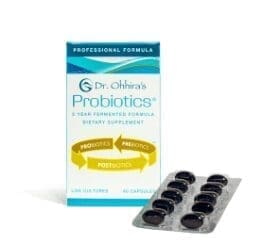
Your skin can feel tight after cleansing yet look shiny by midday. It may react to a favorite product one week and tolerate it the next. These shifts are a reminder that healthy-looking skin is not simply about stripping away oil or layering on the strongest active. When you use probiotic face serum with a barrier-conscious routine, you support the skin’s surface environment while giving it lightweight, targeted hydration.
A probiotic-focused serum is especially appealing when your goal is a complexion that feels calm, soft, and resilient rather than temporarily overcorrected. The key is thoughtful application, compatible ingredients, and consistency.
What probiotic face serum is designed to support
The skin is home to a diverse ecosystem of microorganisms, lipids, proteins, and cells that work together at its surface. This is often called the skin microbiome. Like the digestive tract, the skin benefits from balance. Its protective barrier helps manage moisture loss and serves as a first line of defense against environmental stressors.
In skin care, the word probiotic can describe formulas containing beneficial microbial ingredients, including ferments, lysates, and postbiotic compounds. Not every formula relies on live organisms, and that distinction matters. Fermentation-derived postbiotics are beneficial compounds created as microorganisms metabolize their nutrient-rich environment. Think of probiotics as skilled chefs, prebiotics as their ingredients, and postbiotics as the beneficial finished meal.
For topical care, these fermentation-derived components can be a practical way to support a comfortable skin feel and a healthy-looking moisture barrier. A well-designed serum may also include botanical extracts, humectants, antioxidants, and skin-conditioning ingredients that complement this purpose.
How to use probiotic face serum in your routine
Apply serum after cleansing and before a moisturizer. This placement allows the lighter, water-based formula to contact the skin directly, while moisturizer helps seal in hydration and reduces the feeling of moisture evaporating from the surface.
Start with clean hands and a freshly cleansed face. Pat, rather than rub, your skin until it is slightly damp. Dispense the amount recommended on the product label, then press or gently smooth it across the cheeks, forehead, chin, and neck. Avoid vigorous massage, particularly if your skin is feeling sensitive or looks flushed.
Give the serum a brief moment to settle before applying moisturizer. In the morning, finish with a broad-spectrum sunscreen. Sun exposure is one of the most persistent sources of visible skin aging and barrier stress, so sunscreen remains essential even when your routine includes fermented and microbiome-conscious ingredients.
Most people can use a probiotic face serum once or twice daily. If you are new to the formula, begin once a day for several days. This simple approach gives you a clearer sense of how your skin responds, especially if the rest of your routine already includes exfoliating acids, retinoids, or vitamin C.
A simple morning approach
A morning routine can be as focused as cleanse, probiotic serum, moisturizer, and sunscreen. If your cleanser leaves your face feeling squeaky or tight, consider whether it is too cleansing for your skin type. A serum cannot fully compensate for a routine that repeatedly disrupts the skin’s comfort level.
A restorative evening approach
At night, cleanse away sunscreen, makeup, and the day’s buildup, then apply your serum and moisturizer. If you use a retinoid or exfoliating treatment, you may prefer to alternate those products with your probiotic serum at first. Another option is to apply the serum, follow with moisturizer, and use your active treatment on a different evening. The best schedule depends on your skin’s tolerance and the strength of the active ingredient.
Pairing a probiotic serum with other active ingredients
A probiotic-focused serum does not have to replace every other step in your routine. It can serve as the steady, supportive layer that helps balance a more active regimen. Still, more products do not always create better results.
Gentle humectants, barrier-supportive moisturizers, and sunscreen are natural companions. Ingredients such as glycerin, hyaluronic acid, ceramides, and nourishing plant oils can support hydration when chosen for your skin type. If you are prone to congestion, seek textures that feel comfortable without leaving an overly heavy finish.
Exfoliating acids and retinoids require more judgment. Both can be valuable tools, but frequent use may leave some skin feeling dry, stinging, or reactive. Rather than adding a new serum to an already intense routine, consider reducing the frequency of your strongest treatments. Skin often responds well to a rhythm of active-care nights and recovery-focused nights.
Vitamin C may fit comfortably into a morning routine, while a probiotic serum can follow it or be used at another time of day. Because formulas vary in pH, texture, and ingredient concentration, there is no single universal layering rule beyond listening to your skin and following individual product directions.
What to look for in a microbiome-conscious formula
Ingredient quality and formulation philosophy make a meaningful difference. Look beyond a front-label claim and consider whether the formula is built around fermentation expertise, skin-compatible hydration, and a sensible ingredient list. Fragrance-sensitive skin may prefer products with little to no added fragrance, while very dry skin may benefit from pairing a light serum with a richer cream.
Dr. Ohhira’s microbiome-conscious approach is rooted in the same principle that informs its long-fermented probiotic wellness tradition: the complete prebiotic-probiotic-postbiotic ecosystem matters. Fermentation is not merely a trend or a label. It is a process that creates a broad range of metabolites and naturally derived compounds with distinct functional potential.
For a facial serum, this philosophy helps shift the question from, “How quickly can I change my skin?” to, “How can I care for the conditions that help my skin look and feel its best?” That is a more sustainable goal for many routines.
Common mistakes that can undermine results
The first mistake is applying too much. Serums are concentrated by design, and excess product can pill beneath moisturizer or sunscreen. A thin, even layer is usually more useful than multiple pumps.
The second is changing everything at once. If you introduce a new cleanser, serum, exfoliant, and moisturizer in the same week, it becomes difficult to identify what is helping or causing discomfort. Add one product at a time and give it a reasonable trial period.
The third is treating temporary tingling as proof that a product is working. A mild sensation can occur with some ingredients, but burning, persistent stinging, itching, swelling, or a new rash are signals to stop using the product. Rinse gently, simplify your routine, and consult a dermatologist or qualified health professional if symptoms continue.
Finally, do not overlook the basics. Consistent cleansing, adequate moisturizer, sunscreen, sleep, hydration, and nutrient-dense foods all influence how your skin looks and feels. Topical care is one valuable part of whole-body wellness, not a substitute for it.
Give your skin time to respond
Skin care results rarely follow a straight line. Weather, travel, hormonal shifts, stress, sleep, and changes in your environment can all affect dryness, oil production, and visible sensitivity. Take note of how your skin feels after cleansing, how makeup or sunscreen sits during the day, and whether your complexion appears more comfortable over several weeks.
Using a probiotic face serum is less about chasing a dramatic overnight transformation and more about practicing attentive, microbiome-conscious care. Keep the routine gentle enough to repeat, and let each application become a small daily act of support for the skin you live in.