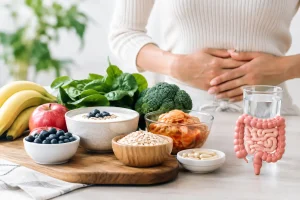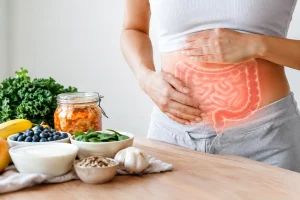
Your gut microbes do not thrive on a single “healthy” food. They thrive on variety. This guide to prebiotic diversity looks beyond the familiar advice to eat more fiber and focuses on a more useful question: Are you feeding different beneficial microbes with different types of plant compounds?
That distinction matters because the gut microbiome is an ecosystem, not a single species. Just as a garden needs more than one nutrient to support a wide range of plants, your intestinal community benefits from an assortment of fibers and plant-based compounds. When these compounds are fermented by resident microbes, they can help generate postbiotics – beneficial metabolic compounds that support the digestive environment and influence whole-body wellness.
What Prebiotic Diversity Really Means
Prebiotics are compounds that are used selectively by beneficial microorganisms and contribute to a health benefit. Many are types of dietary fiber, including inulin, fructooligosaccharides, galactooligosaccharides, resistant starches, pectins, and beta-glucans. Yet “prebiotic” does not simply mean “fiber.” Different fibers have different structures, ferment at different speeds, and nourish different groups of microbes.
Prebiotic diversity means regularly eating a broad range of plant foods that provide varied fibers and phytonutrients. It is not a contest to eat the highest possible number of grams in one day. It is a long-term pattern of giving your microbiome a more varied pantry.
A helpful way to picture the process is this: probiotics are the chefs, prebiotics are the ingredients, and postbiotics are the beneficial meals created through fermentation. A diverse set of ingredients can support a richer range of microbial activity than repeatedly serving the same ingredient alone.
Why Variety Can Matter More Than a Fiber Number
A daily fiber target can be useful, but it does not tell the entire story. Two people may consume a similar amount of fiber while eating very different diets. One may get most of it from a single cereal or supplement, while the other may include legumes, oats, berries, leafy greens, mushrooms, nuts, seeds, herbs, and cooled whole grains. The total grams may look similar on paper, but the microbiome inputs are not.
Some fibers are fermented quickly and primarily in the earlier sections of the colon. Others move further along the digestive tract before being used. Some create a gel-like texture that supports comfortable elimination and metabolic health; others provide structure and bulk. Plant polyphenols, found in colorful fruits, cacao, tea, herbs, and many vegetables, also interact with the gut ecosystem even though they are not fibers in the traditional sense.
This is why a diverse plant pattern can be more meaningful than relying on one “superfood.” The goal is not perfection at every meal. It is consistent exposure to different plant compounds over the course of a week.
The Postbiotic Connection
When beneficial microbes ferment suitable prebiotic compounds, they produce metabolites that include short-chain fatty acids and other postbiotic compounds. These byproducts are a major reason the prebiotic-probiotic relationship matters. They help shape the conditions within the gut, support intestinal barrier function, and participate in communication between the digestive, immune, and metabolic systems.
The outcome depends on many factors: your existing microbial community, the amount and type of fiber you eat, your sleep and stress patterns, medication use, activity level, and digestive sensitivity. Food does not create identical results in every person. Still, a gradual move toward more diverse plant foods gives the ecosystem more opportunities to produce beneficial fermentation compounds.
A Practical Guide to Prebiotic Diversity at Meals
The most sustainable approach is to build variety into foods you already enjoy. Rather than changing your entire routine, add one new plant food, rotate a familiar choice, or combine several sources in a single meal.
At breakfast, oats can provide beta-glucans, while berries contribute pectin and polyphenols. Add ground flaxseed, chia, walnuts, or a spoonful of unsweetened yogurt if it suits your dietary pattern. A savory breakfast could include beans, greens, onions, and avocado alongside eggs or tofu.
At lunch and dinner, think in layers. Start with a base such as lentils, black beans, quinoa, brown rice, barley, or potatoes that have been cooked and cooled. Cooling starchy foods can increase resistant starch, which is then available for microbial fermentation. Add several vegetables with distinct colors and textures: leafy greens, carrots, asparagus, artichokes, cabbage, leeks, garlic, or mushrooms.
Snacks count, too. An apple or pear, a handful of pistachios, roasted chickpeas, a kiwi, or vegetables with a bean-based dip can add meaningful variety. Fermented foods may also complement a plant-rich pattern by introducing food-based microbes and fermentation compounds, although they do not replace the need for prebiotic inputs.
For many people, aiming for a wider range of plant foods across the week is more realistic than trying to include everything every day. Keep a loose mental inventory rather than tracking obsessively. If your usual vegetables are broccoli, spinach, and carrots, consider adding beets, fennel, radicchio, okra, or sea vegetables during the next grocery trip.
Increase Slowly if Your Gut Is Sensitive
More prebiotic material is not always better in the short term. A rapid increase in fermentable fibers can lead to gas, bloating, abdominal discomfort, or changes in bowel habits, especially for people who currently eat a low-fiber diet or have a sensitive digestive system.
Start with modest portions and allow time for your digestive system to adjust. If beans are new to you, begin with a few spoonfuls rather than a full bowl. If raw cruciferous vegetables feel difficult, try them lightly cooked. Soaking legumes, rinsing canned beans, chewing thoroughly, drinking adequate fluids, and spreading fiber-containing foods across the day can also make the transition more comfortable.
Individual tolerance matters. Certain fermentable carbohydrates can be challenging for people following clinician-directed approaches for digestive symptoms. If you have persistent pain, unexplained weight changes, blood in the stool, chronic diarrhea, or a diagnosed gastrointestinal condition, personalized guidance from a qualified health professional is appropriate before making major dietary changes.
Food First, Supplements With Purpose
Whole plant foods offer more than isolated prebiotic fibers. They provide vitamins, minerals, polyphenols, water, and naturally occurring food matrices that influence how fibers are delivered and fermented. For that reason, food diversity is the foundation.
Prebiotic supplements can be useful in some circumstances, particularly when diet quality is limited, appetite is low, travel disrupts routines, or a practitioner has recommended a specific protocol. But supplements are concentrated. The same gradual approach applies, and the best choice depends on the ingredient, dose, and your individual tolerance.
A broader microbiome-supportive routine also considers probiotics and postbiotics. Dr. Ohhira’s Probiotics® is built around this full ecosystem, using a traditional multi-year fermentation of plant ingredients and lactic-acid bacteria to provide a whole-food source of fermentation-derived compounds. It can complement, rather than substitute for, a varied plant-forward eating pattern.
Make Diversity a Repeatable Wellness Practice
Prebiotic diversity does not require an exotic pantry or complicated meal plan. It asks for curiosity and repetition. Rotate your grains, vary your beans, choose produce by color, and let seasonal foods change the mix naturally. Even small shifts – switching from rice to barley, adding onions to a soup, or choosing berries instead of the same fruit every week – create new inputs for your microbial community.
Your gut ecosystem is always responding to its environment. Feed it with a wider range of thoughtfully chosen plant foods, make changes at a pace your body can handle, and give the process time to become part of daily life.