Your digestive tract is not simply where food is broken down. It is a living ecosystem shaped by meals, sleep, stress, travel, medications, aging, and the trillions of microorganisms that call it home. Probiotics can be a meaningful part of caring for that ecosystem, but their role becomes clearer when they are viewed as one member of a larger microbial community rather than a standalone solution.
For daily wellness, the most useful question is not merely, “How many live bacteria are in this supplement?” It is, “What does this formula contribute to the environment my microbiome needs to function well?” That broader perspective includes prebiotics, probiotics, and postbiotics – three interconnected elements that can support digestive comfort, immune readiness, and whole-body resilience.
What Are Probiotics?
Probiotics are beneficial live microorganisms that, when consumed in adequate amounts, may support health. Many familiar probiotic organisms belong to lactic-acid bacteria groups, including Lactobacillus and Bifidobacterium. They have been studied for their ability to interact with the intestinal environment, compete for space and resources, and help maintain a balanced microbial landscape.
A helpful comparison is to picture the gut as a working kitchen. Probiotics are the chefs. They participate in preparing useful compounds and help keep the kitchen active. But chefs need quality ingredients, and the finished meals matter just as much as the people preparing them. That is where prebiotics and postbiotics enter the picture.
The effect of a probiotic depends on several factors: the specific organisms used, their stability through storage and digestion, the amount consumed, the individual’s diet and microbiome, and the presence of supportive compounds in the formula. This is why two products labeled “probiotic” can offer very different experiences.
The Three Parts of a Healthy Microbiome Strategy
Prebiotics: The ingredients
Prebiotics are compounds that nourish beneficial microorganisms. They are often types of dietary fiber found in plant foods such as onions, garlic, asparagus, legumes, oats, bananas, and many fruits and vegetables. A diverse plant-forward diet supplies a wide range of fibers and phytonutrients that can help feed the microbial community.
Not every person tolerates every prebiotic fiber equally well. Someone with a sensitive digestive system may need to increase fiber gradually, especially if beans, raw vegetables, or concentrated prebiotic ingredients tend to cause gas or bloating. Tolerance is useful information, not a failure. A slower approach can often be more sustainable.
Probiotics: The chefs
Live beneficial organisms can support the microbial ecosystem while passing through the digestive tract. Their presence may be particularly welcome during periods when routines change – after travel, during dietary shifts, or when stress has disrupted regular digestion.
Still, live bacteria alone are not the entire story. A formula focused only on colony counts can overlook the biological activity created during fermentation. Numbers have a place, but they do not fully communicate how a product was made, what the organisms produced, or whether the ingredients work together as a whole-food system.
Postbiotics: The health-promoting meals
Postbiotics are beneficial compounds produced when microorganisms ferment food ingredients. These fermentation-derived metabolites can include organic acids, peptides, enzymes, and other bioactive substances. They are the useful “meals” prepared by the chefs from the ingredients available to them.
Postbiotics are especially compelling because they do not rely solely on live organisms reaching the gut. They are already present as products of fermentation. This makes them a valuable part of a comprehensive approach, particularly for people who want more from a supplement than a single-strain or high-count label claim.
Why Fermentation Changes the Conversation About Probiotics
Fermentation is an ancient food-preservation practice with a modern relevance: it transforms ingredients. As beneficial microorganisms work on fruits, vegetables, mushrooms, seaweed, and other plant materials, they create a complex matrix of metabolites and naturally occurring compounds.
Time is central to this process. A short fermentation may yield a different composition than one allowed to develop over months or years. Longer, carefully managed fermentation gives microorganisms time to interact with a broad range of botanical ingredients and generate postbiotic compounds that become part of the finished formula.
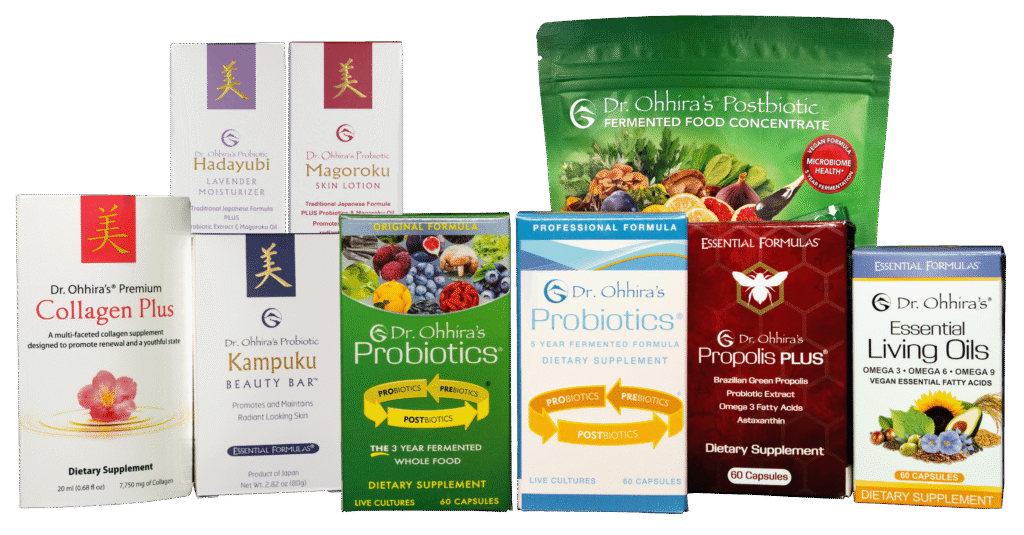
That process-focused view is the Dr. Ohhira’s Advantage. Dr. Ohhira’s Probiotics® are made with a diverse blend of plant ingredients and live lactic-acid bacteria, then fermented for three years or five years using a traditional Japanese process. The resulting whole-food supplement is designed to provide the full prebiotic-probiotic-postbiotic ecosystem, not simply an isolated dose of bacteria.
This does not mean every person needs the same probiotic format. Capsules, powders, fermented foods, and whole-food fermented supplements can each have a role. The better choice depends on your goals, dietary pattern, sensitivities, and consistency with use. What matters is choosing products with transparent manufacturing, thoughtful ingredient selection, and a reason for every component in the formula.
Potential Benefits of Probiotics for Daily Wellness
A healthy microbiome is connected to far more than digestion. The gut interacts continuously with immune activity, nutrient processing, metabolic signaling, and even the skin’s appearance and comfort. Supporting microbial balance is not a promise of perfect health, but it can be a practical foundation for proactive wellness.
Digestive balance
Many people first consider probiotics when they want to support regularity, occasional digestive discomfort, or a more settled feeling after meals. Results vary, and meaningful changes may take time. A supplement works best alongside fundamentals such as adequate hydration, regular meals, fiber from whole foods, movement, and stress management.
Immune readiness
A significant portion of immune activity is associated with the gastrointestinal tract. The microbiome helps train and communicate with immune cells, which is why digestive support and immune wellness are closely connected. A well-designed probiotic or fermented formula can complement – not replace – nourishing food, sleep, and other daily habits that support immune resilience.
Skin ecology and healthy aging
The relationship between the gut and skin is complex. Dietary patterns, digestion, oxidative stress, hydration, and the skin’s own microbiome all influence how skin looks and feels over time. Microbiome-conscious wellness recognizes that topical care and internal nutritional support can work together, while avoiding the oversimplified claim that any single supplement will transform the complexion.
How to Choose a Probiotic Formula
Start with quality rather than marketing noise. Look beyond the front-label count and consider whether the formula explains its strains or fermentation process, ingredient sourcing, intended use, and storage guidance. A thoughtfully made product should be clear about what you are taking and why.
Consider the following questions before making a choice:
- Does the formula include only live organisms, or does it also provide fermentation-derived postbiotics?
- Are the ingredients aligned with your preferences, such as plant-based, whole-food, or clean-label formulations?
- Is the product made with a documented process that supports consistency and stability?
- Does the recommended use fit realistically into your daily routine?
If you are pregnant, nursing, managing a medical condition, immunocompromised, or using prescription medication, speak with your health care professional before adding a new supplement. Practitioner guidance is also valuable when digestive or immune concerns are persistent, severe, or accompanied by unexplained symptoms.
Building a Routine That Supports Your Microbiome
Consistency matters more than chasing perfection. Take your chosen supplement as directed, give your body time to respond, and pay attention to patterns rather than judging results from a single day. If you are also increasing dietary fiber, do so steadily and drink enough water.
Your plate remains an essential partner to supplementation. Aim for variety across vegetables, fruits, legumes, whole grains, nuts, seeds, and fermented foods that suit your preferences. Different plants provide different compounds for your resident microbes, so variety can be more valuable than repeating the same “healthy” foods every day.
The most effective probiotic routine is one that respects the full ecosystem: beneficial organisms, the plant compounds that nourish them, and the postbiotic compounds created through fermentation. Give that ecosystem patient, daily care, and it can become a powerful part of how you support your health goals over the long term.