Skin that suddenly feels tight after cleansing, looks less bouncy by afternoon, or shows fine lines more readily is not always asking for a richer moisturizer. Collagen skin hydration depends on a connected system: the skin’s structural proteins, its protective barrier, its water-binding molecules, and the daily nutritional environment that supports them.
Collagen often gets all the attention because it gives skin much of its underlying firmness. Hydration, however, is what helps the surface look smooth, comfortable, and light-reflective. Supporting one without the other can leave results feeling incomplete. A thoughtful approach considers how water moves through the skin, how well the barrier holds it there, and what the body needs to maintain healthy connective tissue over time.
Collagen and skin hydration work differently
Collagen is the most abundant protein in the body and an essential part of the skin’s dermal structure. Think of it as a supportive framework beneath the surface. Along with elastin and other components of the extracellular matrix, collagen contributes to skin’s density, resilience, and ability to recover its shape.
Hydration is not simply water sitting on the skin. Within the skin, water is attracted and held by natural moisturizing factors and molecules such as hyaluronic acid. At the surface, a healthy lipid barrier helps reduce transepidermal water loss, meaning water is less likely to evaporate into dry air.
This distinction matters. A topical moisturizer can help improve surface comfort and reduce water loss, but it does not replace the body’s collagen. Likewise, a collagen-focused nutrition routine may support the building blocks of healthy skin, but it does not eliminate the need for barrier-conscious skin care. The most useful strategy works from both directions.
Why skin can feel dry even when you drink water
Drinking enough fluids supports whole-body hydration, but dry-feeling skin is rarely a simple sign that a person needs another glass of water. The skin barrier may be challenged by low humidity, hot showers, harsh cleansing, frequent exfoliation, ultraviolet exposure, stress, aging, or a routine that includes too many active ingredients at once.
As collagen production naturally changes with age, the dermal matrix may provide less structural support. At the same time, skin can become less efficient at retaining moisture. Fine lines can look more pronounced when the outer layers are dehydrated, even if the skin also produces oil. This is why oily and dehydrated can coexist.
The goal is not to chase a permanently dewy appearance. Skin type, climate, hormone shifts, and medications all influence how skin behaves. The goal is to support a comfortable, resilient barrier and the nutritional foundations that healthy skin relies on.
The barrier is the gatekeeper
The outermost layer of skin functions like a protective wall. Its cells are often compared to bricks, while lipids such as ceramides, cholesterol, and fatty acids act as the mortar. When that arrangement is intact, it helps keep irritants out and water in.
Over-cleansing and aggressive exfoliation can disrupt this balance, especially for mature, sensitive, or seasonally dry skin. If moisturizer stings, skin feels persistently tight, or flaking follows an otherwise extensive routine, simplifying may be more productive than adding another active product. Gentle cleansing, timely moisturizing, and daily sun protection are practical foundations for protecting the skin’s structural environment.
Nutrition supports the framework beneath the surface
The body continually remodels collagen. It needs adequate protein and a range of micronutrients to do that work. Vitamin C is particularly relevant because it participates in collagen formation, while copper and zinc also have roles in connective tissue and antioxidant processes. Colorful fruits and vegetables offer vitamin C and phytonutrients, while legumes, seeds, seafood, eggs, and other protein-rich foods can help meet broader nutritional needs depending on dietary preferences.
Collagen peptides are commonly used to complement a skin-support routine. They provide specific amino acids associated with collagen-rich tissues, including glycine, proline, and hydroxyproline. Research on oral collagen peptides suggests they may support skin hydration and elasticity for some adults when used consistently. Results vary based on the formula, daily amount, duration of use, baseline diet, age, and individual physiology.
That variation is worth respecting. No supplement can compensate for chronically inadequate protein intake, extensive sun exposure, smoking, insufficient sleep, or a compromised skin barrier. It is better to view collagen support as one part of a consistent wellness pattern, not a quick cosmetic fix.
Antioxidant support also has a place
Normal metabolism and environmental exposures generate oxidative stress. The skin is exposed to ultraviolet light and pollution more directly than most tissues, making antioxidant-rich foods a meaningful part of a skin-conscious lifestyle. Berries, leafy greens, herbs, deeply colored vegetables, tea, and cacao are examples of foods that contribute a broad spectrum of protective plant compounds.
Sun protection remains essential. Antioxidants complement sensible sun habits; they do not replace sunscreen, shade, or protective clothing. This is one of the clearest examples of why skin wellness is cumulative. The choices made repeatedly tend to matter more than any single serum or supplement.
The gut-skin connection deserves attention
Skin is not isolated from the digestive system. The gut microbiome helps interact with dietary compounds and influences processes connected to immune balance and the body’s broader metabolic environment. While the gut-skin relationship is complex and not every skin concern begins in the gut, digestive comfort and a diverse, fiber-rich diet can be relevant parts of whole-body skin support.
This is where the full prebiotic-probiotic-postbiotic ecosystem offers a useful perspective. Prebiotics are the ingredients that nourish beneficial microbes. Probiotics are the live microorganisms, like chefs preparing a meal. Postbiotics are beneficial compounds produced through microbial fermentation, like the finished health-promoting meal.
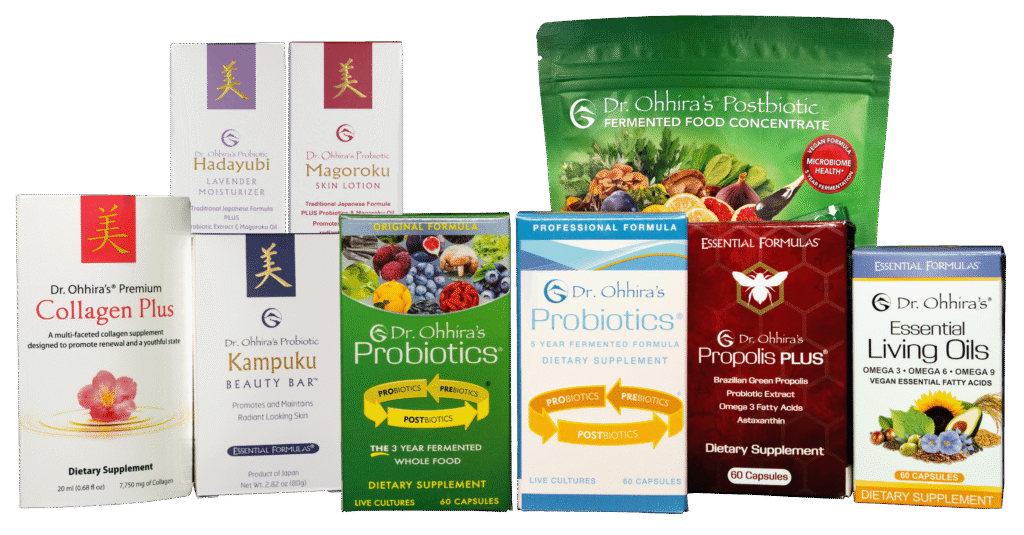
Fermented foods and carefully formulated fermented supplements can fit into a wellness routine designed around this ecosystem. Dr. Ohhira’s Probiotics is built on a multi-year fermentation process that brings together plant foods, pure water, and lactic-acid bacteria to create a naturally occurring spectrum of fermentation-derived metabolites. For adults interested in skin wellness, that digestive and microbial foundation can be a thoughtful complement to nutrition, hydration, and topical barrier care.
It is best to keep expectations grounded. A probiotic or fermented supplement is not a treatment for a skin condition, and new or persistent rashes, itching, cracking, or inflammation should be evaluated by a qualified health professional. Individual response matters, particularly for those with complex digestive or immune concerns.
A practical routine for collagen skin hydration
Consistency matters more than complexity. Start with enough protein and produce to support everyday nutrition, then make hydration easier by keeping water and unsweetened beverages accessible throughout the day. If you are considering collagen peptides, choose a routine you can use regularly and give it time before judging its effect.
On the skin, cleanse without leaving your face squeaky or tight. Apply moisturizer while skin is still slightly damp, which can help reduce water loss. Look for formulas that support the barrier with humectants, emollients, and lipids rather than relying only on a temporary surface feel. During dry seasons or travel, a richer cream may be more useful than a lightweight lotion.
Finally, protect the progress you are trying to support. Daily broad-spectrum sun protection, adequate sleep, moderate alcohol intake, and stress-management practices all influence the conditions in which skin functions. These habits may sound familiar, but their value becomes clearer when collagen, hydration, and barrier health are understood as one system.
Healthy-looking skin is not built through a single ingredient or an overnight change. Give it steady nourishment, a calm barrier routine, and room for the body’s own renewal processes to do their work.