A cabbage leaf, tea leaf, soybean, or botanical blend is not nutritionally fixed at harvest. When beneficial microbes begin working, they can transform plant compounds into new forms with different biological activity. This is why fermentation increases antioxidants in some foods and formulas: it is not simply preservation. It is a living biochemical process that can help release, convert, and create antioxidant-active compounds.
For people focused on healthy aging, digestion, skin vitality, and daily cellular resilience, that distinction matters. Antioxidant support is about more than chasing a high number on a food label. It is also about the forms of compounds your body can access, the health of the microbial ecosystem that helps process them, and the consistency of your daily wellness habits.
Why Fermentation Increases Antioxidants
Plants already contain protective compounds such as polyphenols, flavonoids, carotenoids, and vitamin C. These compounds help plants manage environmental stress, and many also contribute to the color, flavor, and nutritional value of fruits, vegetables, herbs, mushrooms, and sea vegetables.
Yet plant antioxidants are often bound to fibers, sugars, or other structures within the food matrix. That can limit how readily they are released during digestion. During fermentation, lactic-acid bacteria, yeasts, and other beneficial microorganisms produce enzymes that can break down some of these bonds. The result may be a greater concentration of measurable antioxidant activity or antioxidant compounds in forms that are easier to absorb and use.
Fermentation can also convert one plant compound into another. For example, microbial activity may transform larger polyphenols into smaller metabolites. These metabolites are not necessarily more powerful in every case, but some may be more bioavailable or more active in specific tissues. The effects depend on the raw ingredients, microorganisms, temperature, oxygen exposure, fermentation length, and testing method.
That final point deserves attention. A higher antioxidant reading in a laboratory test is useful, but it does not automatically predict a specific outcome in the human body. Antioxidant capacity tests measure particular chemical reactions under controlled conditions. Human biology is more complex. Still, a thoughtfully fermented, plant-rich food or supplement can offer a meaningful way to broaden daily intake of protective phytonutrients and microbial metabolites.
The Microbial Team Behind the Transformation
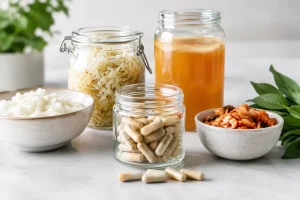
A helpful way to picture fermentation is to think of probiotics as chefs, prebiotics as their ingredients, and postbiotics as the beneficial meals they prepare. The plant fibers, natural sugars, and phytonutrients in a fermentation vessel provide the raw materials. Beneficial microbes then metabolize those materials over time.
As they work, microbes produce organic acids, enzymes, peptides, and other postbiotic compounds. These compounds help shape the flavor, aroma, and stability of fermented foods. They may also contribute to the functional value of the finished ferment, alongside any live microorganisms that remain.
This is why a fermented formula should not be judged only by a count of live bacteria. Live probiotics can be valuable, particularly when they survive manufacturing and digestion in meaningful amounts. But the completed fermentation matrix also matters. It contains the transformed botanical compounds and postbiotic metabolites created through the microbial process.
In a whole-food fermentation, the benefit is not isolated to one ingredient or one strain. It comes from the relationship between plants, microbes, time, and conditions. A short ferment can produce acids and flavor quickly. A longer, carefully managed fermentation can allow for deeper transformation of the original food materials.
Antioxidants and Oxidative Balance in Daily Life
Your body naturally produces reactive molecules as part of energy production, immune activity, exercise recovery, and normal metabolism. External factors such as air pollution, ultraviolet exposure, poor sleep, smoking, excess alcohol, and a nutrient-poor diet can add to that burden.
Oxidative stress occurs when reactive molecules outpace the body’s antioxidant defenses. The body has its own protective systems, including antioxidant enzymes, and it relies on dietary nutrients and phytonutrients for additional support. No single food, supplement, or lifestyle practice can erase oxidative stress. The practical goal is to support balance through repeated daily choices.
Fermented plant foods can fit naturally into that approach. Their acids and complex flavors can make vegetables, legumes, teas, and botanical blends more enjoyable, while their microbial transformations may expand the range of compounds present. For many people, that makes fermentation a useful companion to a diet rich in colorful produce, adequate protein, healthy fats, hydration, movement, and restorative sleep.
When More Fermentation Is Not Automatically Better
Fermentation is powerful, but quality and individual tolerance still matter. A fermented food can be nutritious while also being high in sodium, added sugar, or ingredients that do not align with your goals. Some people are sensitive to histamines or to certain fermented foods, especially when they are managing digestive concerns. Others may need to introduce fermented products gradually.
The source material matters as well. Fermentation cannot turn low-quality ingredients into high-quality nutrition. Starting with a diverse blend of fruits, vegetables, mushrooms, seaweed, and other whole-food ingredients gives the microbial community more phytochemical building blocks to work with.
Time is another trade-off. A rapid process may be practical for producing a familiar food, but it is not equivalent to a multiyear fermentation designed to cultivate a broad postbiotic profile. Length alone does not guarantee quality, either. The process must be carefully controlled for ingredient integrity, microbial management, cleanliness, and consistency from batch to batch.
How to Choose Fermented Antioxidant Support
If you want to bring more fermentation into your wellness routine, begin with the questions that reveal how the product was made. Look beyond front-label buzzwords. Does it identify the food ingredients? Does it explain the type and duration of fermentation? Does it recognize postbiotics as part of the finished formula, rather than treating live cultures as the only measure of value?
For daily use, consider whether the format works with your routine. Fermented vegetables and cultured beverages can complement meals. A whole-food fermented supplement may offer consistency when travel, seasonality, appetite, or schedule makes food-based routines less reliable. If you are under medical care, pregnant, immunocompromised, or managing a diagnosed digestive condition, seek guidance from a qualified health professional before making significant changes.
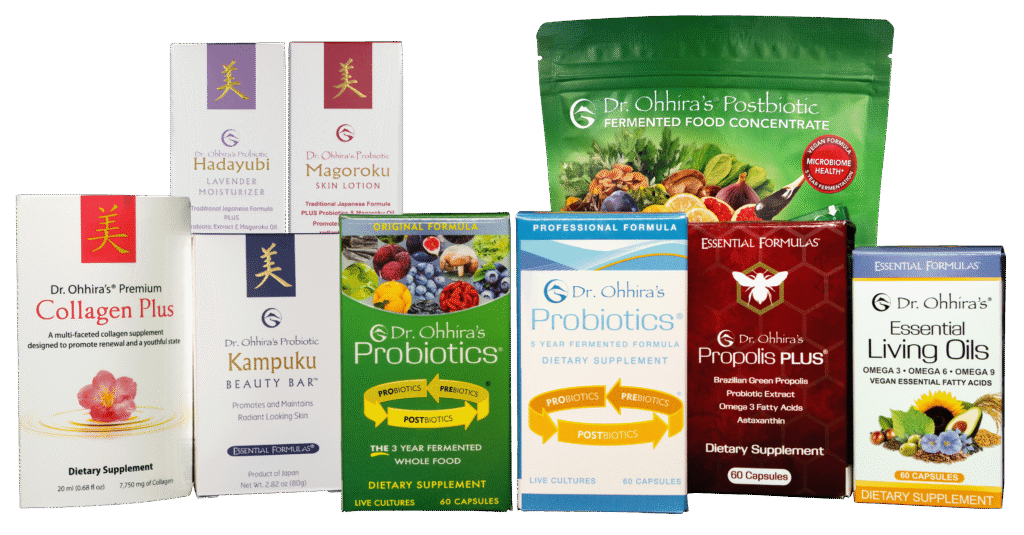
Dr. Ohhira’s Probiotics® reflects this whole-system view of fermentation. Its multiyear Japanese fermentation process brings together plant foods, beneficial lactic-acid bacteria, and time to create a finished whole-food matrix that includes prebiotics, probiotics, and postbiotics. The goal is not to reduce wellness to a single strain or isolated antioxidant. It is to support the ecosystem that helps the body thrive.
Build Antioxidant Habits That Last
The most effective antioxidant routine is usually the one you can maintain. Add color to meals with berries, leafy greens, deeply pigmented vegetables, herbs, and legumes. Include fermented foods that agree with you. Protect sleep, move your body regularly, and give your skin daily support through thoughtful sun habits and hydration.
Fermentation offers a particularly compelling bridge between traditional food wisdom and modern microbiome science. By transforming plant compounds into a richer matrix of accessible nutrients and postbiotic metabolites, it gives everyday wellness practices more depth. Let that be an invitation to choose fermented foods and formulas not as a quick fix, but as a steady, intelligent part of caring for your cellular and microbial ecology.