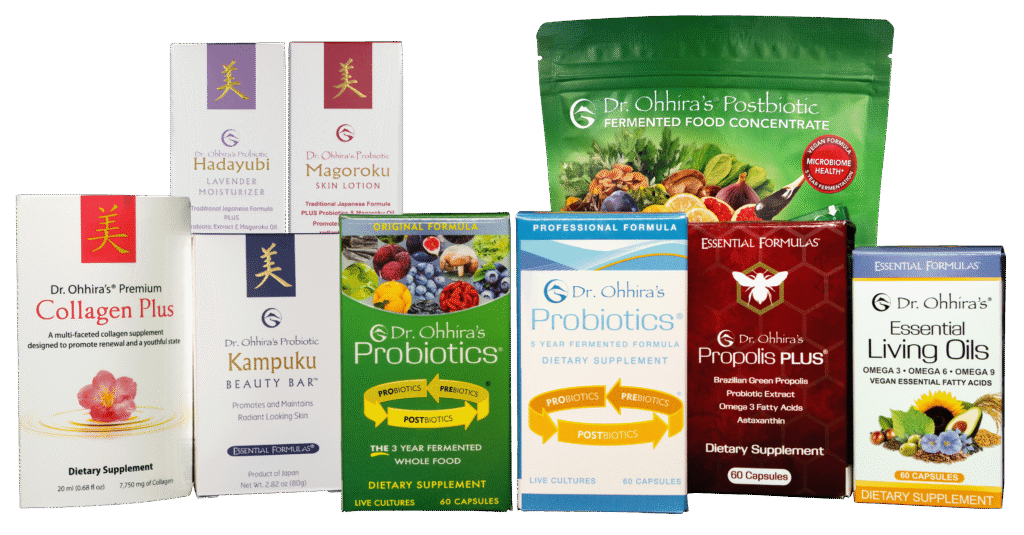
Skin can feel tight, reactive, flaky, or unexpectedly oily long before it looks visibly irritated. Often, the answer is not another intensive treatment. This microbiome friendly skincare guide focuses on a more foundational question: does your daily routine help support the skin ecosystem that already works to keep your complexion comfortable and resilient?
Your skin is not a sterile surface. It is home to a diverse community of microorganisms, including bacteria, fungi, and viruses, that interact with skin cells, natural oils, moisture, and the outer protective barrier. The goal is not to eliminate every microbe. It is to create conditions where the skin barrier and its resident ecosystem can function in balance.
Why the Skin Microbiome Matters
The skin microbiome is part of the body’s first line of interaction with the outside environment. Along with the outermost layer of skin, it helps maintain an acidic surface environment, manage moisture, and respond to daily stressors such as weather, sweat, friction, cleansing, and cosmetic products.
Think of the microbiome as a neighborhood and the skin barrier as its protective infrastructure. When the infrastructure is well supplied with water, lipids, and gentle care, the neighborhood is better equipped to remain stable. When harsh cleansing, aggressive exfoliation, frequent product switching, or environmental stress repeatedly disrupt that setting, skin may become less comfortable or more unpredictable.
This does not mean every skin concern comes down to the microbiome. Genetics, hormones, medications, climate, health conditions, and sun exposure all matter. But microbiome-conscious care offers a useful framework: preserve what is beneficial, avoid unnecessary disruption, and support the conditions healthy-looking skin needs.
A Microbiome Friendly Skincare Guide Starts With Less
A longer routine is not automatically a better routine. In fact, using too many new products at once makes it difficult to identify what your skin tolerates well. A microbiome-friendly approach begins with a dependable foundation: cleanse without stripping, moisturize with intention, and protect exposed skin from ultraviolet stress.
Start by noticing how your skin feels after cleansing. If it feels squeaky, stretched, itchy, or immediately dry, your cleanser may be too aggressive for your current needs. Very hot water, abrasive cloths, strong surfactants, and repeated cleansing can remove surface oils that contribute to comfort and barrier function.
For many people, a gentle cleanse in the evening is enough to remove sunscreen, makeup, and the day’s buildup. In the morning, some skin types do well with a simple rinse or a very mild cleanser. The right choice depends on your skin, activity level, climate, and the products used overnight. Oily or acne-prone skin may still benefit from regular cleansing, but “more stripping” is rarely the same as “more balanced.”
After cleansing, apply a moisturizer while skin is slightly damp. Look for formulas designed to support the barrier with humectants that attract water, emollients that soften, and lipids that help reduce moisture loss. Ingredients such as glycerin, hyaluronic acid, ceramides, squalane, and certain plant oils can be useful, although any ingredient can be a poor match for an individual.
Daily broad-spectrum sunscreen also belongs in this conversation. Sun exposure can contribute to visible signs of skin aging and compromise barrier comfort. Choose a sunscreen you can wear consistently, then remove it gently at the end of the day.
Understand Prebiotics, Probiotics, and Postbiotics in Skin Care
Microbiome language on a label can be confusing. The terms are related, but they are not interchangeable.
Prebiotics are compounds that may help support beneficial microorganisms. In the familiar kitchen comparison, they are the ingredients available to the chefs. In topical formulations, prebiotic ingredients may be included to help create a favorable environment for the skin’s existing ecosystem.
Probiotics are live microorganisms that, when used appropriately, are associated with health benefits. In skin care, formulating with living organisms is complex because stability, preservation, packaging, and shelf life all matter. A product that says “probiotic” may contain live cultures, but it may also use a related ingredient derived from probiotic fermentation. Read the product description rather than assuming the term tells the full story.
Postbiotics are beneficial compounds produced during fermentation, including metabolites, peptides, enzymes, and other cellular components. They are the health-promoting meals prepared by the chefs. Because these fermentation-derived components can be stable in a cosmetic formula, they are particularly relevant in microbiome-conscious skin care.
Fermentation is more than a trend when it is thoughtfully performed. It can transform botanical ingredients into a complex matrix of compounds with distinctive sensory and skin-supportive properties. Dr. Ohhira’s approach to probiotic-based skin care reflects this wider ecosystem: prebiotic inputs, probiotic fermentation, and postbiotic compounds working together rather than treating live bacteria as the only measure of quality.
Choose Formulas With a Clear Purpose
“Natural” and “microbiome-friendly” are not guarantees that a product will suit your skin. Botanical extracts and essential oils can be enjoyable and effective components of a formula, yet fragrant ingredients may not be ideal for someone with highly sensitive or easily reactive skin. Likewise, a richly occlusive balm can be comforting for dry skin but feel too heavy for another person.
Instead of chasing a marketing claim, evaluate a product by its function. Ask whether it cleanses gently, replenishes moisture, supports the barrier, or provides targeted exfoliation. A formula with a clear job is easier to introduce and assess.
Be especially thoughtful with these categories:
- Strong exfoliating acids, retinoids, and scrubs can be valuable tools, but overuse can leave skin feeling compromised. Start slowly and avoid stacking multiple intensive products on the same night.
- Fragrance and essential oils are a matter of tolerance, not a universal rule. If your skin stings, flushes, or develops persistent discomfort, choose simpler formulas and consider professional guidance.
- Alcohol-based products may feel refreshingly light, but some can be drying when used frequently. The complete formula and your skin’s response matter more than one ingredient in isolation.
- Antibacterial washes may be appropriate for specific circumstances, but routine overuse can be unnecessarily harsh on the skin’s natural ecology.
Build a Routine Your Skin Can Recognize
Consistency gives your skin a chance to adapt. A practical morning routine may be a gentle cleanse or rinse, a moisturizer if needed, and sunscreen. In the evening, cleanse, apply one targeted treatment if you use one, then moisturize.
Introduce only one new product at a time, ideally allowing one to two weeks before adding another. This is not because every reaction appears immediately, but because a deliberate approach makes patterns easier to spot. If a new formula causes burning, itching, swelling, or a rash, stop using it. Persistent symptoms, significant acne changes, or signs of infection deserve evaluation by a dermatologist or qualified health professional.
Patch testing can also be helpful, especially for those with a history of sensitivity. Apply a small amount to a discreet area as directed by the product label and observe the skin over time. It is a sensible precaution, though it cannot predict every possible response when a product is used across the face.
Support Skin Ecology Beyond the Bathroom Counter
Topical products are only one part of the picture. Skin benefits from adequate sleep, stress management, hydration, regular movement, and a varied, nutrient-dense diet. The gut and skin are distinct ecosystems, yet they are connected through immune, metabolic, and inflammatory pathways. For that reason, many wellness-minded adults choose to support digestive balance alongside their external routine.
A whole-food dietary pattern rich in colorful plants provides fiber and phytonutrients that can support the gut ecosystem. Fermented foods may also be a welcome part of the diet for people who tolerate them. Individual needs vary, particularly for people managing digestive conditions or following medically necessary dietary restrictions.
Avoid treating your skin as a problem to be scrubbed away. Give it gentle, repeatable care, pay attention to its signals, and let each well-chosen step support the living ecosystem already at work on its surface.