Your body creates oxidants every day as it converts food into energy, responds to exercise, and manages immune activity. A useful cellular antioxidant defense guide begins with that distinction: oxidants are not inherently harmful. The goal is not to eliminate them, but to support the systems that keep their activity in balance.
Cells depend on carefully managed oxidative signaling. When oxidant production persistently exceeds the body’s ability to neutralize or repair the effects, oxidative stress can occur. Over time, that imbalance may affect cell membranes, proteins, DNA, cardiovascular function, skin appearance, and healthy aging. Daily nutrition, sleep, movement, digestive health, and targeted supplementation can all influence how well your defenses respond.
What Cellular Antioxidant Defense Actually Means
Antioxidant defense is not one nutrient working alone. It is a coordinated network of internally produced enzymes, nutrient cofactors, plant compounds, and repair processes. Think of it as a skilled kitchen team rather than a single ingredient: different members handle different tasks, often in sequence.
Your first line of defense includes antioxidant enzymes such as superoxide dismutase, catalase, and glutathione peroxidase. These enzymes help convert reactive compounds into less reactive forms. They require nutritional support to function well, including minerals such as zinc, copper, selenium, and manganese, along with adequate protein for producing key compounds.
Glutathione is often called the body’s master antioxidant because it participates in neutralizing oxidative compounds and supporting detoxification pathways. Its activity depends on amino acids, particularly cysteine, as well as nutrients such as selenium and riboflavin. Vitamin C can help regenerate other antioxidants, while vitamin E helps protect lipid-rich cell membranes from oxidative damage.
This system is dynamic. A colorful meal, a restorative night of sleep, and moderate physical activity all offer different forms of support. No single capsule or food can replace the whole network.
Why Some Oxidative Stress Is Useful
Exercise provides a helpful example. During a challenging workout, muscles naturally generate more reactive oxygen species. In an appropriate amount, that signal helps the body adapt by supporting mitochondrial function, muscle recovery, and natural antioxidant enzyme activity.
The trade-off matters. Taking high doses of isolated antioxidants immediately around every workout may not always be the best strategy for every person, because it could blunt some training adaptations. People with a specific nutritional need, high oxidative burden, or clinician-directed protocol may have a different situation. Context matters more than chasing the highest antioxidant number on a label.
The same principle applies to inflammation and immune activity. Immune cells use oxidative compounds as part of their normal response to challenges. Healthy antioxidant support helps the body regulate this process rather than shutting down a necessary biological signal.
The Cellular Antioxidant Defense Guide: Start With Food
Whole foods provide antioxidants in the form nature packages them: alongside fiber, water, minerals, fats, and thousands of plant compounds that work together. This broader food matrix is one reason a varied dietary pattern is more valuable than relying only on a short list of so-called superfoods.
Aim for color and variety over perfection. Deeply colored berries, citrus, leafy greens, cruciferous vegetables, tomatoes, herbs, beans, mushrooms, green tea, cocoa, nuts, and seeds each contribute different protective compounds. Orange and red produce provide carotenoids; berries and purple vegetables offer anthocyanins; garlic and cruciferous vegetables contain sulfur-containing compounds that can support the body’s own protective response.
Healthy fats also deserve attention. Cell membranes are made largely of lipids, and the quality of dietary fats influences their structure and resilience. Foods such as walnuts, chia, flax, avocado, olives, and fatty fish can fit into a balanced approach, depending on individual dietary preferences.
Rather than asking whether one food is “the best” antioxidant food, ask whether your week contains a meaningful range of plants. A practical target is to rotate colors and plant families across meals. Consistency matters more than an occasional perfect smoothie.
Support the Systems That Make Antioxidants Work
Nutrients do not operate in isolation. If you are low in protein, chronically under-eating, or eating a highly restricted diet without thoughtful planning, the body may have fewer raw materials for glutathione production and enzyme function. Protein-rich foods, legumes, eggs, dairy foods, seafood, or well-planned plant proteins can help supply amino acids needed for normal cellular maintenance.
Minerals are equally relevant. Selenium supports glutathione peroxidase activity, but more is not automatically better. Excess supplemental selenium can be harmful, particularly when multiple products are combined. Zinc, copper, and manganese also require balance. Food-first nutrition and carefully selected supplements are generally more sensible than stacking many overlapping formulas.
The Microbiome Connection to Antioxidant Support
Your digestive tract is more than a passageway for nutrients. It is an active ecosystem that influences the availability and transformation of many food-derived compounds. Gut microbes can metabolize certain polyphenols and fibers into smaller compounds that may interact with cellular signaling pathways.
This is where prebiotics, probiotics, and postbiotics offer a useful framework. Prebiotics are the ingredients that nourish beneficial microbes. Probiotics are the living microorganisms, like chefs preparing a meal. Postbiotics are beneficial compounds created through microbial fermentation – the health-promoting meals produced by that microbial work.
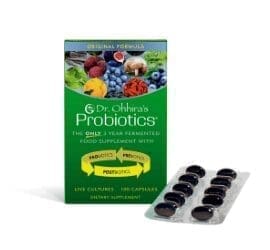
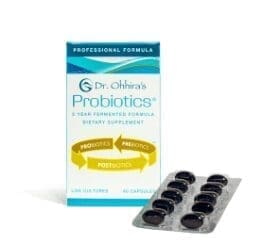
Fermented foods and thoughtfully formulated fermented supplements can complement a plant-rich eating pattern, especially for people seeking broader digestive and whole-body wellness support. Dr. Ohhira’s Probiotics is built around this full prebiotic-probiotic-postbiotic ecosystem through a multi-year fermentation process, reflecting the idea that wellness support extends beyond live cultures alone.
Individual responses vary. A person who is new to fermented foods or higher-fiber eating may do better by increasing intake gradually, especially if they experience digestive sensitivity. Slow, steady changes are often easier for the gut to accommodate.
Lifestyle Habits That Protect Cellular Balance
Nutrition works best when daily habits are not constantly adding to oxidative pressure. Cigarette smoke, heavy alcohol use, prolonged sleep disruption, uncontrolled blood sugar, frequent sun damage, air pollution exposure, and chronic psychological stress can all increase the demand placed on antioxidant defenses.
You cannot control every exposure, but you can reduce the ones within reach. Regular physical activity, adequate hydration, and a consistent sleep schedule help support normal metabolic and repair processes. Outdoor movement is valuable, while sensible sun protection helps limit excessive ultraviolet stress on the skin.
Stress management does not require a complicated routine. A walk after dinner, several minutes of slow breathing, time in nature, strength training, prayer, journaling, or a phone-free wind-down period can help shift the body out of a constant high-alert state. The most effective practice is usually one you will repeat.
When a Supplement May Make Sense
Supplements can be useful when dietary intake is limited, needs are elevated, or a specific nutrient gap has been identified. Common antioxidant-support ingredients include vitamin C, vitamin E, selenium, N-acetyl cysteine, alpha-lipoic acid, coenzyme Q10, carotenoids, and plant extracts rich in polyphenols.
Selection should be guided by purpose, dose, ingredients, and your existing routine. More is not necessarily more effective, especially with fat-soluble nutrients and trace minerals. If you take medication, are pregnant or nursing, have a medical condition, or are preparing for surgery, consult a qualified health care professional before adding a new supplement. Practitioners can also help evaluate whether symptoms that seem related to “low antioxidants” may have another cause.
Look for formulas with clear labeling and a rationale for how ingredients work together. Antioxidant support is most meaningful when it complements foundational habits rather than compensates for their absence.
A well-supported cell is not a cell shielded from every challenge. It is a cell equipped to respond, recover, and continue its essential work. Build that capacity one colorful meal, restorative night, and sustainable daily choice at a time.