When skin suddenly feels tight after cleansing, looks dull despite a careful routine, or reacts to products it once tolerated, the answer may not be another topical product. Skin barrier nutrients help supply the raw materials and protective support systems your skin needs to hold onto moisture, maintain its lipid structure, and respond calmly to everyday environmental stress.
The skin barrier is the outermost protective layer of the skin. It is often compared to a brick wall: skin cells are the bricks, while ceramides, cholesterol, and fatty acids form the mortar around them. This structure helps limit moisture loss while helping keep irritants out. A gentle cleanser, a well-formulated moisturizer, and daily sun protection matter. So does what reaches the skin from within.
Why skin barrier nutrients matter from the inside out
Skin is a living, metabolically active organ. It continuously renews itself, builds proteins, produces lipids, and manages oxidative pressure from sunlight, pollution, stress, and normal metabolism. Those jobs require energy and a dependable supply of nutrients.
A nutrient-dense diet cannot replace appropriate skin care or resolve every skin concern. Genetics, climate, medication use, hormonal changes, sleep, and certain health conditions also influence barrier function. Still, nutrition can be a meaningful part of a whole-body approach, especially when dry, sensitive, or aging skin is paired with digestive changes or a limited diet.
The goal is not to chase one “skin vitamin.” Barrier resilience depends on nutritional patterns. Protein provides structural building blocks. Essential fatty acids contribute to the skin’s lipid matrix. Antioxidant nutrients help manage oxidative stress. Minerals and B vitamins support the enzyme systems involved in renewal and repair.
The nutrients that help build a stronger skin barrier
Essential fatty acids support the lipid matrix
Linoleic acid, an omega-6 essential fatty acid, has a direct role in healthy skin barrier function. Because the body cannot make it, it must come from food. Nuts, seeds, seed oils, and plant-based foods can contribute meaningful amounts. The skin also benefits from omega-3 fatty acids, which support a balanced inflammatory response and healthy cell membranes.
This is not an argument for eliminating omega-6 fats or taking very high doses of any single oil. Both omega-6 and omega-3 fats have roles in the body. What matters is consistent intake of varied, minimally processed sources of beneficial fats, alongside an overall eating pattern that does not rely heavily on ultra-processed foods.
Protein and vitamin C support skin structure
The proteins in skin, including collagen and keratin, are made from amino acids. Insufficient protein intake can make it harder for the body to prioritize maintenance of tissues such as skin, particularly during periods of aging, stress, illness, or restrictive eating.
Vitamin C is equally relevant because it supports normal collagen formation and acts as an antioxidant. Citrus, berries, kiwi, bell peppers, broccoli, and leafy greens are useful food sources. Collagen-focused nutrition works best in context: adequate protein, vitamin C-rich produce, hydration, and sun-conscious habits create a more supportive foundation than any isolated ingredient.
Ceramide-supportive nutrition helps retain moisture
Ceramides are specialized lipids that help organize the barrier and reduce transepidermal water loss, the gradual evaporation of water through the skin. The body produces ceramides, and they are also found in select foods, including certain whole grains and plant sources.
Topical ceramides can be especially useful for dry skin because they are applied where they are needed. Nutritional support works on a different timeline. It helps provide the broader building blocks for the body’s ongoing lipid production, which is why consistency matters more than a one-week experiment.
Zinc, selenium, and B vitamins support renewal
Zinc participates in many enzymatic processes involved in cell turnover and tissue maintenance. It is found in seafood, meat, beans, pumpkin seeds, and dairy foods. Selenium helps support antioxidant enzymes and is available in foods such as Brazil nuts, seafood, eggs, and whole grains. More is not automatically better, particularly with selenium. Excess supplemental intake can be counterproductive.
B vitamins also deserve attention. Niacin, or vitamin B3, is widely recognized in topical skin care, but adequate dietary intake supports normal cellular energy metabolism throughout the body. A varied diet with legumes, whole grains, vegetables, eggs, fish, poultry, and other protein foods generally provides a more balanced approach than relying on a single mega-dose supplement.
Antioxidants help skin manage daily exposure
Antioxidants do not act like a force field against sun exposure. Sunscreen, protective clothing, and shade remain essential. Yet nutrients such as vitamins C and E, carotenoids, and plant polyphenols help the body manage oxidative stress generated by normal life and environmental exposure.
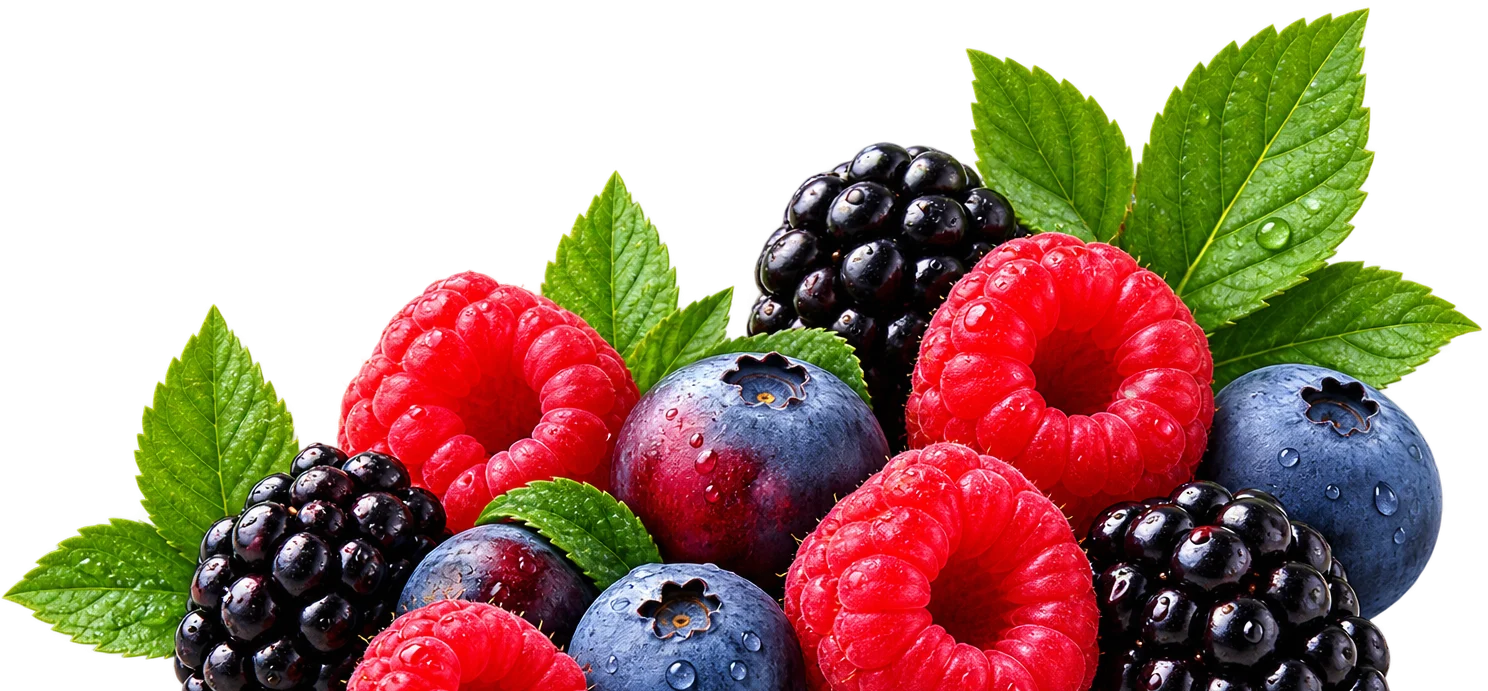
Color is a practical guide here. Deep green leaves, orange and red vegetables, purple berries, herbs, tea, cocoa, and colorful fruits offer different families of protective plant compounds. Rather than seeking perfection at every meal, aim for visible variety across the week.
The gut-skin connection is part of the conversation
The skin barrier does not operate in isolation from the digestive system. The gut microbiome interacts with immune activity, nutrient processing, and metabolites that circulate throughout the body. This does not mean every breakout, dry patch, or sensitivity begins in the gut. It does mean digestive wellness can be relevant when considering the bigger picture of skin resilience.
Prebiotics are the fibers that nourish beneficial microorganisms. Probiotics are the live microorganisms themselves. Postbiotics are the beneficial compounds produced through microbial activity and fermentation. A useful comparison is a kitchen: prebiotics are the ingredients, probiotics are the chefs, and postbiotics are the health-promoting meals they create.
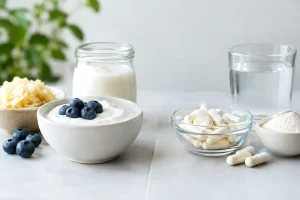
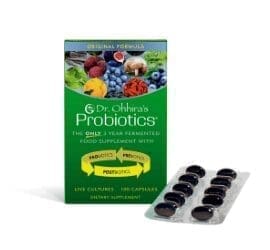
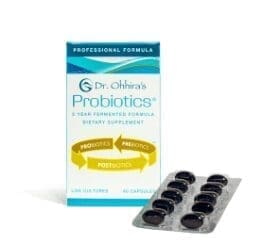
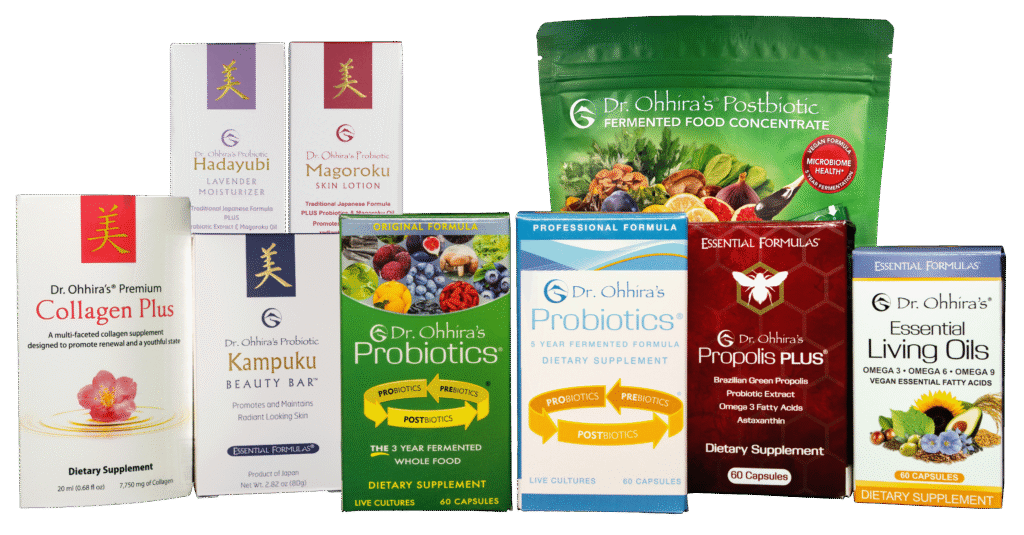
Fermented foods and thoughtfully formulated supplements may fit into a skin-supportive lifestyle, particularly for people looking to support digestive regularity and microbial balance. Dr. Ohhira’s Probiotics® Original Formula is distinct because its whole-food ingredients undergo a multi-year fermentation process, yielding not only live lactic-acid bacteria but also a rich spectrum of fermentation-derived postbiotic compounds.
Individual responses vary. Someone with a sensitive digestive system, a diagnosed gastrointestinal condition, or a highly restrictive diet may benefit from personalized guidance from a qualified health care professional before making significant dietary or supplement changes.
How to put skin barrier nutrition into practice
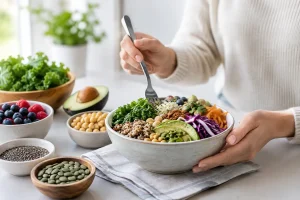
A practical plan starts with regular meals that combine protein, colorful plants, fiber-rich carbohydrates, and beneficial fats. For example, breakfast might include yogurt or a plant-based alternative with berries, chia, and oats. Lunch could pair beans, salmon, tofu, or chicken with greens, grains, and an olive oil-based dressing. At dinner, include a protein food, two colorful vegetables, and a source of healthy fat.
Hydration belongs in the plan, but it is not a standalone cure for dry skin. Drinking adequate fluids supports normal body function, while the barrier’s ability to retain water relies more directly on its lipids, proteins, and topical care. If indoor heat, dry weather, frequent handwashing, or over-exfoliation are contributing to dryness, address those factors too.
Be selective with supplements. A targeted product can help fill a genuine nutritional gap, but stacking multiple formulas without a clear reason can lead to unnecessary overlap. Review your current routine, look for third-party quality standards where appropriate, and consider your medications and health history. Pregnancy, breastfeeding, kidney disease, anticoagulant use, and other circumstances may change what is appropriate.
A barrier-supportive routine is built, not bought
The most effective approach is usually less dramatic than social media suggests. Eat enough protein. Include essential fats. Make plants and fiber a daily habit. Support digestion. Use gentle, barrier-respecting topical care. Protect skin from excessive ultraviolet exposure. Then give the routine time.
Your skin is not asking for a perfect diet or a crowded supplement cabinet. It is asking for steady access to the materials and conditions that allow it to do its work. Small, repeatable choices can help support the comfortable, hydrated, resilient-looking skin that reflects whole-body care.