A demanding week can expose the difference between occasional wellness efforts and a daily foundation that is truly supported. When sleep gets shorter, meals become less colorful, travel disrupts routine, or seasonal changes arrive, the immune system has more to manage. Immune supplements can be a thoughtful part of that foundation, but they work best when chosen for a clear purpose and paired with the habits that influence immune function every day.
The goal is not to force the immune system into overdrive. Healthy immune resilience means supporting the body’s ability to recognize challenges, respond appropriately, and return to balance. That process relies on adequate nutrition, a well-supported gut ecosystem, restorative sleep, movement, and stress management. Supplements can help fill meaningful nutritional gaps and provide targeted support, particularly when diet or lifestyle is not consistently meeting the body’s needs.
What Immune Supplements Are Designed to Support
The immune system is not one organ or one simple pathway. It is a coordinated network involving immune cells, signaling compounds, barrier tissues, and the microbiome. The digestive tract is especially relevant: much of the body’s immune activity is associated with the gut, where the immune system must distinguish between welcome dietary compounds, beneficial microbes, and potential threats.
That is why a well-considered immune routine often begins with digestive and microbiome support. A diverse, well-nourished microbial community helps maintain the intestinal barrier and participates in the ongoing communication between the gut and immune system. It also helps explain why a supplement label that focuses only on a high count of live organisms does not tell the entire story.
Probiotics can be thought of as chefs. Prebiotics are the ingredients that nourish them. Postbiotics are the beneficial compounds created through fermentation – the health-promoting meals resulting from the process. Each part of this ecosystem can matter. Fermentation-derived organic acids, peptides, and other metabolites may offer functional value alongside the live cultures themselves.
For people seeking everyday immune support, this broader view is often more useful than searching for a single “immune booster.” The most appropriate formula depends on your diet, age, health history, medication use, travel schedule, and specific wellness goals.
Ingredients to Look for in Immune Supplements
An effective immune-support approach does not need a crowded label. It should include ingredients with a sensible role, transparent amounts, and a formulation that fits your needs. Several nutrients and compounds deserve consideration.
Vitamin D for foundational support
Vitamin D helps regulate many aspects of immune activity. Because sunlight exposure varies by season, geography, work schedule, skin tone, and sun-protection practices, many adults do not consistently maintain optimal vitamin D status through lifestyle alone. A blood test and guidance from a qualified healthcare professional can help determine whether supplementation is appropriate and what amount makes sense for you.
More is not automatically better. Vitamin D is fat-soluble, meaning it can accumulate in the body. Thoughtful dosing is far more useful than taking large amounts without a clear need.
Vitamin C and plant-based antioxidant support
Vitamin C contributes to normal immune cell function and antioxidant protection. It is abundant in fruits and vegetables, yet intake can fall short when meals rely heavily on packaged foods or lack variety. Supplemental vitamin C may be a practical complement to a nutrient-rich diet, especially during periods when fresh produce intake is inconsistent.
Antioxidant support is broader than any one nutrient. Colorful plant foods supply polyphenols, carotenoids, and other compounds that help the body manage oxidative stress. A supplement may be supportive, but it cannot duplicate the fiber, hydration, and wide range of phytonutrients found in whole foods. Think of supplementation as reinforcement, not a substitute for the produce section.
Zinc, with attention to dose and duration
Zinc is involved in immune-cell development and normal immune signaling. It can be particularly relevant for people with limited dietary intake, restrictive eating patterns, or known nutritional gaps. However, zinc requires restraint. High-dose, long-term use can interfere with copper balance and may create problems of its own.
Look for a formula that clearly identifies the amount of elemental zinc and consider whether it is intended for occasional use or ongoing daily support. If you already use a multivitamin, check the combined total before adding another zinc-containing product.
Mushrooms and beta-glucans
Certain mushrooms contain beta-glucans, naturally occurring polysaccharides studied for their interaction with immune pathways. Mushroom-based formulas can appeal to people who prefer food-derived, plant-centered wellness strategies. Quality matters here: the species, part of the mushroom used, growing conditions, extraction method, and standardization can all affect the finished product.
A label that simply says “mushroom blend” offers limited insight. More transparent products identify the mushrooms used and explain the extraction or beta-glucan content when relevant.
Fermented probiotics and postbiotics
For immune health, the gut is a strategic place to focus. Fermented foods and whole-food supplements may support the microbiome through a combination of live beneficial bacteria, prebiotic food compounds, and postbiotic metabolites. This is distinct from formulas designed around a large number of isolated strains alone.
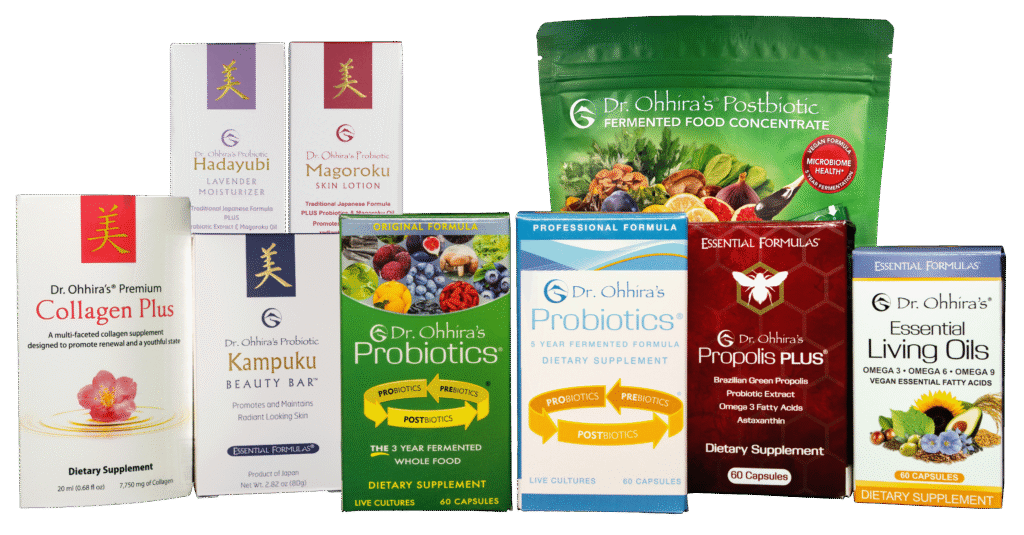
Dr. Ohhira’s Probiotics® Original Formula reflects this whole-food perspective through its multi-year fermentation of fruits, vegetables, mushrooms, seaweed, and lactic-acid bacteria. The fermentation process creates a complex matrix that includes the beneficial metabolites produced along the way. For those whose immune goals overlap with digestive comfort and microbiome support, this broader ecosystem may be especially meaningful.
How to Choose an Immune Support Formula
Start with the reason you are considering support. Are you looking to address a possible nutrient gap, strengthen your gut-health routine, prepare for frequent travel, or maintain consistent wellness during seasonal transitions? Your answer should guide the ingredients you prioritize.
Then read beyond front-label claims. A quality supplement should clearly state active ingredients and amounts, along with suggested use and relevant cautions. Proprietary blends are not always a concern, but they can make it difficult to assess whether key ingredients are present in meaningful quantities. For fermented and probiotic formulas, process transparency also matters. Learn whether the product includes prebiotics, live cultures, postbiotic compounds, or a combination of all three.
Consider the form as well. Powders may suit someone who enjoys a daily smoothie ritual. Capsules can be more convenient for travel. Fermented foods and whole-food supplements may be preferable for people seeking a less isolated, food-based approach. The best choice is the one you can take consistently and comfortably.
Finally, avoid the temptation to stack multiple products without a plan. Combining a multivitamin, an immune blend, a mushroom formula, and a separate mineral supplement can lead to unnecessary overlap. A focused routine is easier to evaluate, easier to maintain, and less likely to exceed your needs.
Daily Habits That Give Supplements a Better Foundation
Immune supplements are most valuable when the basics are already receiving attention. Sleep is one of the most influential places to start. Consistent, restorative sleep helps coordinate immune signaling, while chronic short sleep can place added strain on the body’s defenses.
Food quality matters just as much. Aim for a pattern that includes vegetables, fruit, legumes, whole grains, nuts, seeds, and adequate protein. These foods provide not only vitamins and minerals, but also the fiber that nourishes beneficial gut microbes. Fermented foods, when well tolerated, can add another layer of dietary diversity.
Moderate movement supports circulation and overall metabolic health. Regular walks, strength training, stretching, or other enjoyable activity can be more sustainable than sporadic, exhausting workouts. Stress deserves similar attention. The immune system responds to the body’s overall environment, so a few minutes of breathing practice, time outdoors, social connection, or a calmer evening routine can have real value.
When Personalized Guidance Matters
Supplement decisions deserve additional care if you are pregnant or nursing, have an autoimmune condition, take prescription medications, are preparing for surgery, or are managing a chronic health concern. The same applies if you have persistent digestive symptoms, frequent infections, unexplained fatigue, or concerns about nutrient deficiency. These situations call for individualized guidance rather than a general wellness formula alone.
A healthcare practitioner can help review medications, lab work, dietary patterns, and current supplements. For more complex digestive and immune goals, this kind of personalized perspective can clarify which foundational steps and targeted nutrients are most appropriate.
The most useful immune routine is rarely the most complicated one. Choose ingredients with a clear role, respect the intelligence of the gut ecosystem, and give your body consistent support through food, rest, and daily rhythm. Over time, those steady choices can become one of the most practical forms of resilience.