A sliced apple turning brown on the counter offers a familiar glimpse of oxidation. Similar chemical reactions occur continuously in the body as cells create energy, respond to exercise, process environmental exposures, and carry out normal immune activity. Natural antioxidant support is not about stopping these reactions altogether. It is about giving the body the nutritional tools it needs to keep oxidative activity in healthy balance.
That distinction matters. Oxidation is a normal part of life, and reactive molecules play useful signaling roles in many biological processes. The challenge arises when their production persistently exceeds the body’s capacity to manage them. A food-first, fermentation-aware approach can help support the body’s own protective systems without treating antioxidants as a quick fix.
What Natural Antioxidant Support Actually Means
Antioxidants are compounds that help neutralize certain reactive molecules before they can contribute to oxidative stress. They also help support the body’s internal antioxidant network, including protective enzymes that depend on adequate nutrients to do their work. Vitamin C, vitamin E, carotenoids, selenium, zinc, polyphenols, and sulfur-containing plant compounds all participate in this larger picture.
The word “antioxidant” can make wellness sound like a single nutrient mission. In practice, the body relies on a coordinated network. A berry supplies a different collection of protective compounds than leafy greens, mushrooms, legumes, herbs, or fermented foods. These compounds can act in different tissues, at different stages of metabolism, and alongside one another.
This is why natural support generally works best as a pattern rather than a single high-dose strategy. A supplement may be useful for addressing a specific nutritional goal, but it cannot replace a varied dietary foundation, restorative sleep, regular movement, and protection from unnecessary exposures such as tobacco smoke and excessive ultraviolet light.
Why Oxidative Balance Changes With Daily Life
Your antioxidant needs are not static. Intense training, poor sleep, alcohol intake, low produce intake, chronic stress, air pollution, and the ordinary metabolic changes of aging can all influence oxidative balance. That does not mean every busy week requires an aggressive supplement protocol. It means daily habits have a cumulative effect.
Exercise is a helpful example of the nuance involved. Physical activity temporarily increases oxidative activity because working muscles require more energy. Yet, over time, appropriately challenging exercise can encourage the body to strengthen its own antioxidant defenses. Overusing isolated antioxidant supplements around every workout may not suit everyone, particularly if the goal is to preserve some of the beneficial training adaptation. Food-based antioxidant intake is a more balanced starting point for most active adults.
The same principle applies to stress. The body does not need a perfectly stress-free life to function well. It needs regular opportunities to recover. A consistent sleep routine, nutrient-dense meals, hydration, daylight exposure, and manageable movement may sound basic, but these practices support the physiology behind resilience.
Food Diversity Is the Foundation
Color is a useful, though not perfect, guide to phytonutrient variety. Deep blue and purple foods often contain anthocyanins. Orange and red produce can provide carotenoids. Greens offer chlorophyll-related compounds, folate, and vitamin C, while garlic, onions, and cruciferous vegetables contribute sulfur-containing compounds that support the body’s own detoxification and antioxidant pathways.
Rather than trying to eat a “perfect” antioxidant menu, aim to rotate plants across the week. Add berries to breakfast, build lunches around greens and beans, include herbs and spices in cooking, and choose fruit or a handful of nuts when you need a simple snack. Teas, cocoa, olive oil, and colorful vegetables can also contribute meaningful plant compounds.
Preparation matters, but it does not need to become complicated. Some nutrients are more available after gentle cooking, while others are best preserved in fresh foods. For example, pairing cooked tomatoes with olive oil may help the body absorb lycopene, while lightly steamed broccoli retains a different nutritional profile than heavily boiled broccoli. Variety in both ingredients and preparation methods is more useful than rigid rules.
Fermentation Adds a Valuable Layer
Fermented foods and fermentation-derived ingredients deserve special attention in a conversation about natural antioxidant support. Fermentation changes foods through the activity of beneficial microorganisms. During this process, microorganisms break down and transform components of the original ingredients, creating metabolites that can influence flavor, digestibility, and biological activity.
For microbiome health, it helps to think of probiotics as chefs, prebiotics as ingredients, and postbiotics as the beneficial meals produced through their work. Postbiotics can include organic acids, peptides, and other compounds created during fermentation. Their value is not limited to the presence of live organisms at the moment a product is consumed.
A diverse, well-nourished gut ecosystem also has relevance for whole-body wellness. The digestive tract is where dietary plant compounds meet microbes, and that interaction can shape how some compounds are transformed and utilized. Individual responses vary, particularly for people with sensitive digestion or a history of food intolerance. Start with modest servings of fermented foods and choose products that clearly explain their ingredients and process.
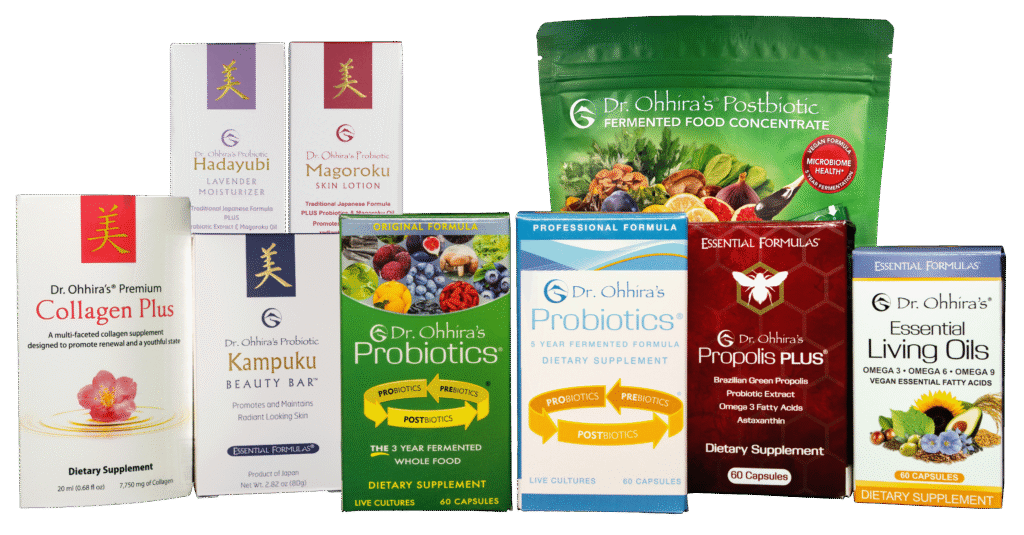
Dr. Ohhira’s Probiotics reflects this whole-food perspective through a multi-year fermentation process that brings together fruits, vegetables, mushrooms, seaweed, pure water, and lactic-acid bacteria. The resulting focus is broader than live cultures alone, recognizing the complementary role of prebiotics, probiotics, and fermentation-derived postbiotics.
Choosing Antioxidant Supplements With Discernment
Supplements can help fill targeted nutritional gaps, but quality and context matter. A meaningful formula should identify its ingredients clearly, avoid unnecessary fillers when possible, and make reasonable claims. Be cautious of products that promise to “detox” every problem or imply that oxidative stress can be erased by one capsule.
It is also wise to avoid assuming that more is better. Certain nutrients can interact with medications or be inappropriate at high levels for some individuals. People who are pregnant, nursing, managing a medical condition, preparing for surgery, or taking prescription medications should speak with a qualified health professional before beginning a new supplement routine.
When evaluating a botanical or fermented formula, consider three practical questions: What is the source of the ingredients? Is the process transparent? Does the formula fit your actual health goals and dietary habits? A precise answer to those questions is more valuable than an oversized ingredient list.
Build a Routine Your Body Can Sustain
The most effective routines are often the least dramatic. Begin by choosing one meal each day to make more colorful. Keep a water bottle nearby. Create an evening cue that makes sleep easier, such as dimming lights or setting aside screens. Add movement you genuinely enjoy, whether that is walking, gardening, strength training, or stretching.
Then consider where a thoughtfully formulated supplement or fermented food may complement that foundation. If travel, a limited diet, digestive changes, or a demanding season makes consistency harder, a targeted product can offer practical support. The goal is not to chase perfection. It is to create enough daily nourishment and recovery that your body’s protective systems can do the work they were designed to do.
A useful next step is simple: look at your next grocery basket and add two plant foods in colors you do not usually choose. Small, repeated choices are how natural antioxidant support becomes part of a lasting wellness practice.