A demanding week can show up in unexpected places: lower resilience, duller-looking skin, sluggish recovery after exercise, or a sense that your usual routine is not carrying you as far. While no single nutrient explains every change, glutathione is one of the body’s most central tools for managing the everyday oxidative demands created by metabolism, environment, activity, and aging.
Often called the body’s master antioxidant, glutathione does far more than neutralize free radicals. It participates in cellular defense, helps support normal liver detoxification pathways, and contributes to the immune system’s ability to respond in a balanced way. Understanding how it works can help you make more intentional choices about food, lifestyle, and targeted nutritional support.
What Is Glutathione?
Glutathione is a small peptide made from three amino acids: cysteine, glutamate, and glycine. Nearly every cell can make it, with particularly meaningful activity in the liver, where it helps process many compounds the body needs to transform and eliminate.
Its structure gives it an unusual advantage. The sulfur-containing portion of cysteine can donate electrons, helping neutralize reactive molecules before they can contribute to oxidative stress. In that process, glutathione changes from its active, reduced form to an oxidized form. Healthy cells continually recycle it back into its active state using enzymes and nutrients that support this renewal process.
That cycle matters more than a single antioxidant score. Antioxidant health is a network, not a one-time event. Vitamin C, vitamin E, selenium-dependent enzymes, plant polyphenols, adequate protein, sleep, and metabolic health all influence how effectively the system can respond to daily pressure.
Why Glutathione Levels Matter
Oxidation is not inherently harmful. Your cells use controlled oxidation for energy production, cellular communication, and immune activity. The concern arises when reactive molecules outpace the body’s capacity to manage them. This imbalance is commonly called oxidative stress.
Glutathione helps maintain balance in several interconnected areas. In the liver, it is involved in normal conjugation pathways, where the body prepares certain compounds for elimination. Within cells, it helps protect proteins, lipids, and DNA from excessive oxidative damage. It also helps maintain the redox environment that allows enzymes and other protective systems to function as intended.
Immune cells are especially sensitive to their antioxidant environment. They need enough oxidative activity to perform their protective jobs, but they also need mechanisms that prevent an overextended response. This is why antioxidant status and immune resilience are closely connected, even though glutathione should not be viewed as a substitute for medical care, sleep, nutritious meals, or other foundations of health.
Glutathione status can shift with age, chronic stress, limited sleep, alcohol exposure, intense training, illness, nutrient inadequacy, and frequent contact with environmental pollutants. Genetics and digestive function can also shape the picture. For some people, the most useful question is not, “How do I raise one number?” but rather, “What is placing the greatest demand on my antioxidant system?”
The Gut-Liver Connection
The digestive tract and liver are in constant conversation. Nutrients from food, microbial metabolites, and compounds processed through digestion all influence the resources available to the liver. A diverse, fiber-rich diet supports beneficial gut microbes, which in turn create postbiotic compounds that help nourish the intestinal environment.
Think of probiotics as chefs, prebiotics as their ingredients, and postbiotics as the health-promoting meals they create. This full ecosystem matters because a well-supported gut can contribute to nutrient absorption, barrier function, and the signals that travel between the digestive system and the rest of the body.
Glutathione production depends on amino acids, especially cysteine, as well as cofactors that help antioxidant enzymes do their work. If digestion is compromised or dietary variety is narrow, meeting these needs may be more difficult. That does not mean every digestive concern is a glutathione concern. It does mean that gut support and antioxidant support often belong in the same whole-body wellness conversation.
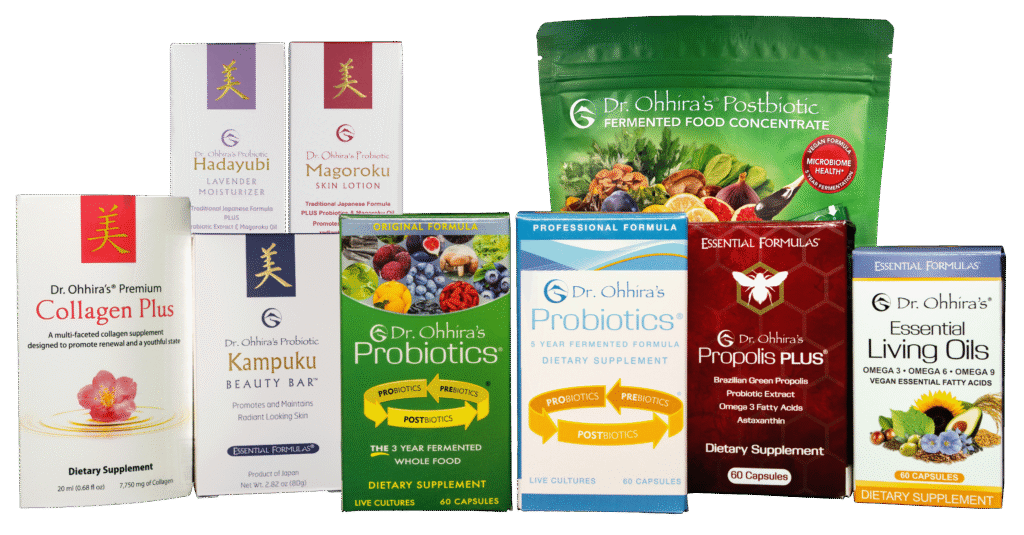
Fermented foods may fit naturally into this approach for people who tolerate them well. Their value is not limited to live cultures. Fermentation can also create bioactive metabolites and make foods easier to digest for some individuals. Dr. Ohhira’s fermentation tradition reflects this broader view: beneficial compounds formed over time can be as meaningful as the organisms that help create them.
Food First: Nutrients That Support Glutathione Renewal
Your body needs raw materials and cofactors to build and recycle glutathione. Protein is foundational because it provides amino acids, including cysteine and glycine. Rather than focusing narrowly on a single food, aim for consistent protein intake across the day from options that fit your dietary pattern, such as eggs, fish, poultry, legumes, tofu, yogurt, or other well-tolerated choices.
Sulfur-containing vegetables are also notable. Broccoli, Brussels sprouts, cabbage, cauliflower, onions, and garlic contain natural sulfur compounds that support the body’s own protective pathways. Lightly cooking these vegetables can improve tolerance for some people, while preserving much of their nutritional value.
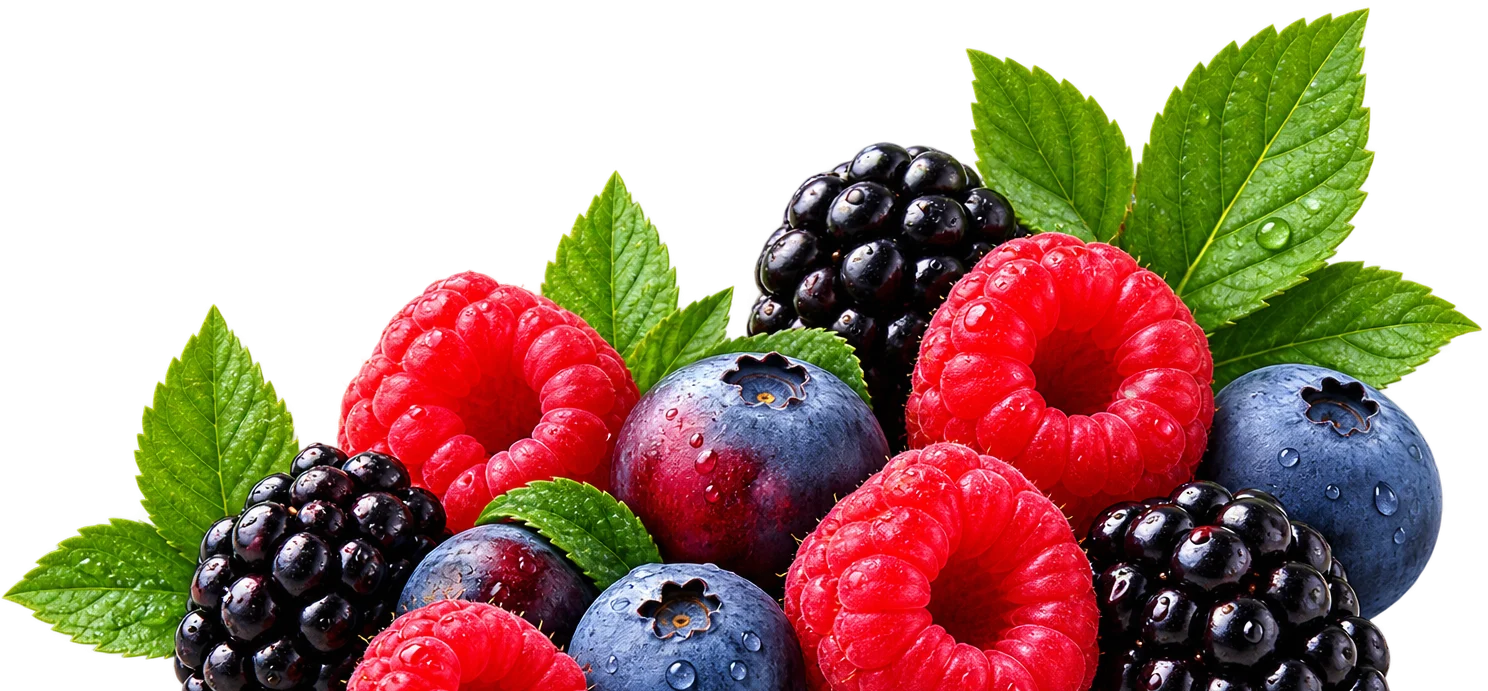
Color matters, too. Citrus, berries, peppers, leafy greens, herbs, and deeply colored vegetables provide vitamin C and a wide range of phytonutrients. Selenium, found in foods such as seafood, eggs, and Brazil nuts, supports glutathione-related enzymes. Brazil nuts are highly concentrated, so moderation is wise rather than treating them as an unlimited snack.
A varied, plant-forward plate supports more than antioxidant defenses. It provides fibers that feed the microbiome, minerals that support enzyme activity, and flavorful compounds that make nourishing meals enjoyable enough to repeat.
When Supplement Support May Make Sense
Some people explore glutathione-focused supplements because their needs are elevated, their diet is inconsistent, or they want additional support for healthy aging, liver wellness, immune balance, or recovery. The best format depends on the individual and the formula.
Direct glutathione supplements, reduced glutathione, liposomal preparations, and nutrient precursors are not interchangeable. Certain formulas provide glutathione itself, while others emphasize building blocks or cofactors involved in production and recycling. A well-designed approach should consider ingredient form, dosage, quality testing, tolerance, and how the product complements the rest of a wellness plan.
For example, cysteine-containing ingredients may be useful for supporting the body’s own synthesis, but they may not be appropriate for everyone. Individuals who are pregnant or nursing, take prescription medications, have a medical condition, or are preparing for surgery should speak with a qualified health care professional before adding a new supplement. Practitioner guidance is particularly valuable when digestive, immune, or liver concerns are complex.
It is also worth setting realistic expectations. Antioxidant support is usually a daily practice, not a dramatic overnight change. Supplements can complement food and lifestyle, but they cannot offset chronic sleep deprivation, heavy alcohol intake, or a diet consistently low in protein and plant foods.
Daily Habits That Protect Your Antioxidant Reserve
The simplest ways to support glutathione often overlap with the habits that strengthen whole-body resilience. Build meals around adequate protein and colorful plants. Include fiber-rich foods gradually and consistently. Stay hydrated, especially when exercising or spending time in dry environments.
Sleep deserves special attention. During sleep, the body carries out essential repair and restoration work. A predictable sleep schedule, morning daylight exposure, and a calmer evening routine can be meaningful forms of antioxidant support because they reduce the strain created by ongoing stress and disrupted recovery.
Movement helps as well, with an important caveat. Regular moderate exercise encourages beneficial adaptation, while prolonged overtraining without recovery can increase oxidative demand. The right amount depends on your current fitness, health status, and recovery capacity. Walking, resistance training, mobility work, and outdoor activity can all have a place.
Finally, reduce avoidable exposures where practical. Ventilate when using household chemicals, avoid smoking, wash produce, and choose simple routines you can maintain. The goal is not perfection. It is to give your cellular defense systems fewer unnecessary burdens and better nutritional resources.
Glutathione is most powerful when viewed as part of an ecosystem: nourishing food, a supported microbiome, restorative sleep, appropriate movement, and carefully selected supplements when they fit your goals. Small, repeatable choices give your body the materials and time it needs to do what it is designed to do – protect, repair, and adapt.