A resilient immune system does not need to be forced into overdrive. It needs clear communication: between the gut lining, the trillions of microbes that live alongside it, and the immune cells that constantly decide what belongs and what does not. That is why the question, can postbiotics improve immunity, is more interesting than a simple yes-or-no answer.
Postbiotics are fermentation-derived compounds that may help support this communication. They are not a substitute for sleep, nourishing food, movement, stress care, or medical treatment. But as part of a microbiome-conscious wellness routine, they may offer a practical way to support immune readiness, especially when digestive comfort and immune resilience are connected.
Can Postbiotics Improve Immunity Through the Gut?
Potentially, yes. The strongest case for postbiotics begins in the digestive tract, where much of the body’s immune activity is coordinated. The intestinal lining is both a selective barrier and a busy training ground for immune cells. It needs to allow nutrients through while helping the body respond appropriately to potentially harmful organisms.
A healthy, well-supported microbiome produces compounds that can nourish the intestinal environment and interact with immune signaling pathways. These compounds include organic acids, peptides, enzymes, cell-wall fragments, and other fermentation metabolites. Collectively, they are often described as postbiotics.
Think of the prebiotic-probiotic-postbiotic ecosystem as a working kitchen. Prebiotics are the ingredients, probiotics are the chefs, and postbiotics are the beneficial meals prepared through fermentation. Each part has a different job. Postbiotics are the useful end products that may continue to interact with the body whether or not live organisms remain active.
This matters because immune health is not just about responding to a seasonal challenge. It also involves maintaining a calm, responsive intestinal barrier and a balanced inflammatory response day after day.
What Makes Postbiotics Different From Probiotics?
Probiotics are live microorganisms that, when consumed in adequate amounts, can provide a health benefit. Their effects can depend on the specific strain, dose, viability, storage conditions, and the environment of the individual taking them.
Postbiotics are different. In scientific usage, the term generally refers to preparations of inactivated microorganisms and/or their components that provide a health benefit. In everyday wellness language, it is also often used for the beneficial metabolites created during fermentation. The distinction is worth understanding, because a fermented product can contain a broad spectrum of compounds rather than a single isolated ingredient.
That spectrum may include short-chain fatty acids and other organic acids that help create an environment less favorable to unwanted microbes, along with compounds that may influence gut-barrier function and immune-cell activity. A food-based fermentation can also provide naturally occurring nutrients from its original plant ingredients.
The trade-off is that postbiotics are not interchangeable. A benefit observed for one preparation cannot automatically be assigned to every fermented food, every heat-treated probiotic, or every supplement labeled “postbiotic.” The source material, fermentation process, microbial cultures, and final composition all matter.
How Fermentation-Derived Compounds May Support Immune Function
Research into postbiotics is growing, and several mechanisms are biologically plausible. First, fermentation compounds may support the integrity of the intestinal barrier. When the gut lining is well maintained, it can better perform its role as a gatekeeper between the outside world and the body’s internal immune network.
Second, certain microbial compounds may help shape immune signaling. A well-regulated immune response needs balance. It must respond when necessary while avoiding unnecessary, persistent activation. Some postbiotic preparations have been studied for their ability to influence signaling molecules involved in this process.
Third, postbiotics may help support a favorable microbial environment. Organic acids produced through fermentation can influence pH and microbial competition in the gut. This does not mean postbiotics “wipe out” unwanted organisms or replace medical care for an infection. It means they may contribute to the conditions that support a more balanced ecosystem.
Finally, postbiotics can be especially appealing for people who value consistency. Because they are not dependent on live-cell survival in the same way as conventional probiotics, fermentation-derived compounds may offer a stable complement to a broader digestive and immune routine.
What Does the Research Actually Say?
The research is encouraging, but it should be interpreted with precision. Studies of specific postbiotic preparations have explored immune markers, digestive comfort, intestinal-barrier support, and immune responses during common seasonal challenges. Some findings suggest that certain preparations may support aspects of immune function.
However, “postbiotics” is a category, not one uniform substance. Study results vary according to the organisms used, whether they are live or inactivated, the fermentation medium, the final compounds present, participant age and health status, dosage, and study design. A promising result from a particular preparation is not a promise that every postbiotic will deliver the same outcome.
It is also wise to be cautious with the phrase “boost immunity.” An immune system that is simply more active is not necessarily better. The more meaningful goal is immune resilience: a system that recognizes challenges, responds proportionately, and returns to balance. That is the type of support most people are seeking when they invest in daily wellness.
Why Whole-Food Fermentation Deserves Attention
Many postbiotic discussions focus on a single metabolite or an inactivated microbial strain. Those approaches can be useful, particularly in clinical research. Yet traditional, multi-ingredient fermentation offers another perspective: naturally occurring compounds work in a complex matrix shaped by food, microorganisms, time, and environment.
A long fermentation process allows microorganisms to transform plant ingredients into a rich array of organic acids, amino acids, enzymes, and other metabolic compounds. This is one reason fermentation has been valued across cultures for generations, long before modern microbiome science could describe what was happening.
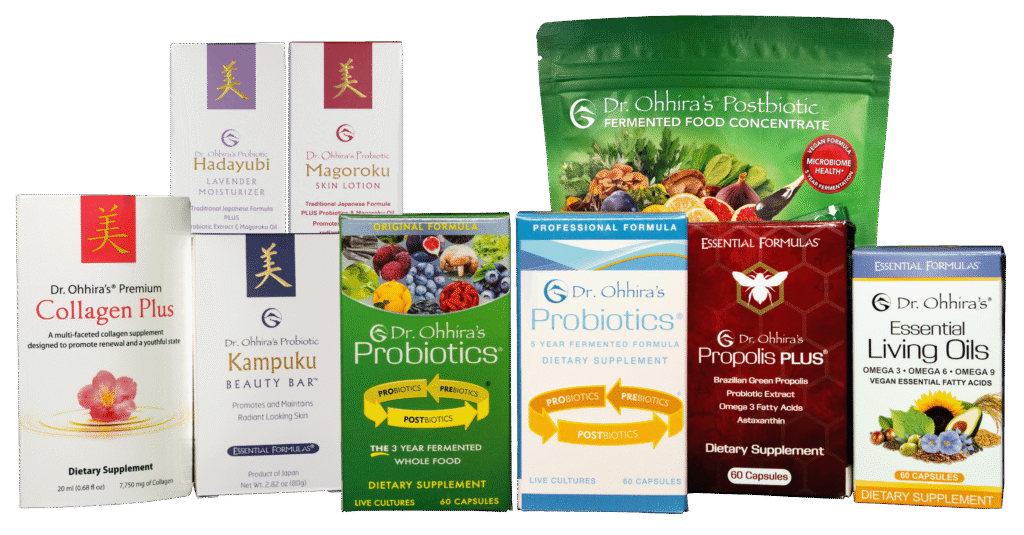
Dr. Ohhira’s Probiotics® Original Formula reflects this whole-food approach, using fruits, vegetables, mushrooms, seaweed, pure water, and lactic-acid bacteria in a multi-year Japanese fermentation process. Its value is not limited to the presence of live cultures. The finished formula also contains the fermentation-derived postbiotic compounds created during that extended process.
For consumers, process transparency matters. A product’s ingredient panel tells part of the story. Knowing how long it was fermented, what materials were used, and whether the finished preparation is designed to preserve a broad range of fermentation metabolites provides more meaningful context.
Who May Benefit Most From Postbiotic Support?
Postbiotics may be a sensible consideration for adults who want to support digestive and immune wellness together, particularly during times of travel, disrupted routines, dietary changes, high stress, or seasonal shifts. They may also appeal to those who prefer food-based, plant-forward approaches to daily microbiome care.
Age can also shape the conversation. As people get older, digestive comfort, microbial diversity, nutrient absorption, and immune responsiveness can all change. A consistent foundation of fiber-rich foods, adequate protein, hydration, sleep, and carefully chosen fermentation support may be more valuable than relying on a short-term “immune fix.”
People with complex digestive concerns, diagnosed immune conditions, severe allergies, or those taking immune-modulating medications should speak with a qualified health care professional before adding a new supplement. The same applies to anyone who is pregnant, nursing, or managing a serious health condition.
How to Choose a Thoughtful Postbiotic Routine
Start by looking beyond marketing language. Ask what the product actually contains and how it is made. Is it an inactivated microbial preparation, a fermented whole-food formula, or a combination? Does the company explain the fermentation process and original ingredients? Are its intended benefits described responsibly rather than as a cure-all?
Then consider fit. If your central goal is everyday digestive regularity, a formula with live probiotics and fermentation metabolites may be appropriate. If you are focused on stable, fermentation-derived support, a postbiotic-centered option may make more sense. Many people find value in the full ecosystem rather than treating prebiotics, probiotics, and postbiotics as competing choices.
Give any new routine time and introduce one change at a time. Track practical signals such as digestive comfort, consistency, energy, and how easily you maintain the habit. Wellness support works best when it is sustainable enough to become part of ordinary life.
The most useful question is not whether postbiotics can replace every other immune strategy. It is whether a thoughtfully fermented, well-chosen postbiotic can help strengthen the daily conditions your immune system depends on. For many health-conscious adults, that is a worthwhile place to begin.